

المدونة : كيف تعمل الواح الطاقة الشمسية
What Are the 5 Types of Solar Energy? A Complete Guide to Renewable Energy Sources

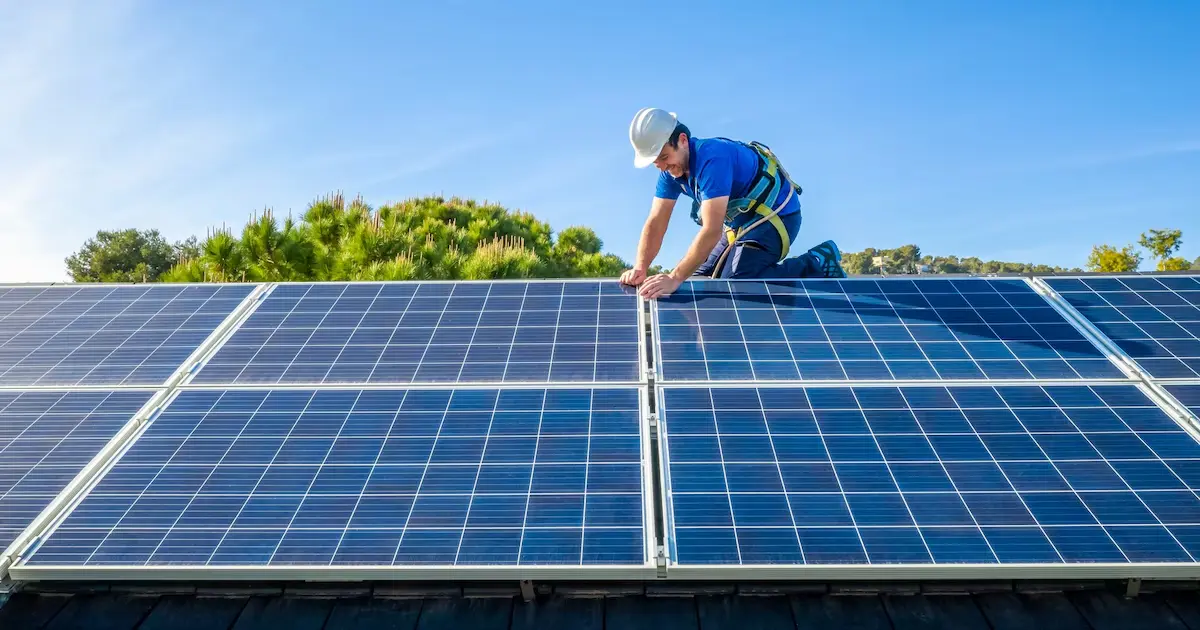
Renewable energy is transforming the way homes and businesses generate electricity, reduce operating costs, and protect the environment. Among all renewable energy technologies, solar power has become one of the fastest-growing solutions worldwide thanks to its affordability, reliability, and long service life. As more homeowners consider switching to clean energy, many begin searching What are the 5 types of solar energy? to better understand the available options.
Although the phrase “What are the 5 types of solar energy?” is commonly used online, it often refers to the major renewable energy sources that are either directly or indirectly powered by the sun. Solar radiation drives weather patterns, powers the water cycle, supports plant growth, and provides the energy needed for photovoltaic systems to generate electricity. Understanding these renewable energy sources can help homeowners appreciate why solar energy has become the preferred solution for residential applications, particularly in sunny regions like Saudi Arabia.
Table of Contents
What Is Solar Energy?
Solar energy is the energy produced by sunlight.
Using photovoltaic (PV) technology, solar panels capture sunlight and convert it into electricity that can power homes, commercial buildings, factories, and agricultural facilities.
Unlike fossil fuels, solar energy is:
- Renewable.
- Clean.
- Environmentally friendly.
- Widely available.
- Low maintenance.
Countries with high solar irradiance, such as Saudi Arabia, are especially well-positioned to benefit from solar energy because they receive abundant sunshine throughout the year.
read more: Is Solar Power AC or DC
Where Solar Energy Is Found and Used
Solar energy is available almost everywhere the sun shines.
Today, it is used across a wide range of residential, commercial, industrial, and public-sector applications.
Common uses include:
- Residential electricity generation.
- Commercial buildings.
- Manufacturing facilities.
- Agricultural irrigation systems.
- Street lighting.
- Water pumping.
- Telecommunications.
- Remote off-grid communities.
Because Saudi Arabia enjoys some of the world’s highest levels of annual sunshine, solar systems can generate significant amounts of electricity while helping reduce dependence on conventional power sources.
read more: What Is the 33% Rule in Solar Panels? A Complete Guide
What Are the 5 Types of Solar Energy?
Although the term is commonly searched online, these are better described as the five major renewable energy sources, with solar energy playing a direct or indirect role in several of them.
1. Solar Energy
Solar energy converts sunlight directly into usable electricity or heat.
It is generated through photovoltaic panels or solar thermal systems and is considered one of the cleanest and most scalable renewable energy technologies available today.
Key advantages include:
- Low operating costs.
- Minimal maintenance.
- Long equipment lifespan.
- Reduced electricity bills.
- Zero emissions during operation.
For residential properties, solar energy is generally the easiest renewable technology to install and maintain.
Wind Energy
Wind energy converts the movement of air into electricity using wind turbines.
Interestingly, wind itself is created by uneven heating of the Earth’s surface by the sun. This means solar radiation indirectly powers wind energy.
Wind farms are commonly installed in:
- Coastal regions.
- Mountain areas.
- Open plains.
- Offshore locations.
While highly effective in windy regions, wind power is generally less practical than rooftop solar for individual homeowners.
Hydropower (Water Energy)
Hydropower generates electricity by using flowing or falling water to drive turbines.
The water cycle that supplies rivers and reservoirs is powered by solar energy through evaporation and rainfall.
Hydropower offers several advantages:
- High efficiency.
- Reliable electricity production.
- Long operational lifespan.
- Large-scale power generation.
However, it requires significant infrastructure and is not a practical solution for residential installations.
Geothermal Energy
Geothermal energy utilizes heat naturally stored beneath the Earth’s surface.
Unlike solar energy, geothermal power does not rely on sunlight and can generate electricity continuously regardless of weather conditions.
It is commonly used in regions with high geothermal activity for:
- Electricity generation.
- District heating.
- Industrial processes.
- Residential heating systems.
Although highly reliable, geothermal systems require specific geological conditions that are unavailable in most residential areas.
Biomass Energy
Biomass energy is produced by converting organic materials into usable fuel or electricity.
Common biomass sources include:
- Agricultural waste.
- Wood residues.
- Animal manure.
- Food waste.
- Organic municipal waste.
Plants absorb sunlight during growth through photosynthesis, making biomass another renewable energy source that indirectly depends on solar energy.
Compared with rooftop solar systems, biomass requires ongoing fuel collection, transportation, and processing, making it less suitable for typical homeowners.
read more:How Solar Energy System Starts
How Do You Choose the Right Solar for Your Home?
Not every property has identical energy needs, so choosing the right solar solution requires careful planning.
Several factors should be evaluated before installing a residential solar system.
Evaluate Your Electricity Consumption
Review your monthly electricity bills to determine how much energy your household uses throughout the year.
Assess Roof Suitability
Your roof should provide:
- Adequate space.
- Minimal shading.
- Good structural condition.
- Proper orientation toward the sun.
These factors directly affect system performance and long-term energy production.
Select the Appropriate Solar System
Depending on your needs, you may choose:
- On-Grid Systems: Ideal for homes connected to the utility network.
- Hybrid Systems: Combine battery storage with grid connectivity for greater flexibility.
- Off-Grid Systems: Suitable for remote locations without access to the electrical grid.
Each option offers different benefits depending on your budget, energy goals, and local infrastructure.
Which Solar Energy Option Is Best for Homeowners?
While there are several renewable energy sources available today, solar energy remains the most practical and cost-effective solution for residential properties.
Unlike wind turbines, hydropower plants, geothermal systems, or biomass facilities, rooftop solar systems can be installed directly on most homes with relatively simple infrastructure. They require minimal maintenance, have long operational lifespans, and provide homeowners with significant savings on electricity bills.
For most residential applications, the best option depends on your energy needs:
- On-Grid Solar Systems are ideal for homes connected to the utility network and offer the fastest return on investment.
- Hybrid Solar Systems combine solar panels with battery storage, providing backup power during outages while maximizing self-consumption.
- Off-Grid Solar Systems are best suited for remote locations where access to the electricity grid is unavailable.
In sunny countries like Saudi Arabia, on-grid and hybrid systems are generally the preferred choices because they take advantage of abundant sunlight while ensuring reliable electricity throughout the year.
Benefits of Choosing Solar Energy for Your Home
Homeowners continue switching to solar energy because it delivers both immediate and long-term benefits.
Some of the most important advantages include:
Lower Electricity Bills
Generating your own electricity significantly reduces monthly utility costs and protects against future electricity price increases.
Energy Independence
Solar systems reduce reliance on traditional electricity providers, especially when combined with battery storage.
Environmentally Friendly
Solar power generates clean electricity without producing greenhouse gas emissions during operation.
Long Equipment Lifespan
High-quality solar panels typically last 25–30 years or more, making them one of the most reliable long-term investments for homeowners.
Increased Property Value
Homes equipped with professionally installed solar systems are often more attractive to buyers due to their lower operating costs and improved energy efficiency.
Why Solar Energy Continues to Grow Worldwide
The popularity of solar energy continues to increase because governments, businesses, and homeowners recognize its economic and environmental advantages.
Several factors are driving this rapid growth:
- Declining solar equipment costs.
- Improved panel efficiency.
- Advances in battery storage technology.
- Greater environmental awareness.
- Government initiatives supporting renewable energy.
- Rising electricity prices.
Countries with high solar irradiance, such as Saudi Arabia, are expected to play a leading role in expanding solar energy adoption over the coming decades.
Conclusion
Understanding What are the 5 types of solar energy? provides valuable insight into the broader world of renewable energy. While the term is often used to describe several renewable energy sources-including wind, hydropower, geothermal, and biomass-solar energy remains the most accessible and practical solution for residential and commercial applications. Its ability to generate clean electricity directly from sunlight, combined with falling installation costs and continuous technological improvements, has made it the preferred choice for homeowners around the world.
For properties in Saudi Arabia, the country’s exceptional solar resources create ideal conditions for investing in solar power. Whether you’re looking to reduce electricity bills, increase energy independence, or contribute to a more sustainable future, a professionally designed solar system can deliver reliable performance for decades.
At Infinity Solar, we specialize in designing, supplying, and installing high-performance solar energy systems tailored to the unique needs of homes and businesses across Saudi Arabia. Our experienced engineering team uses premium components, advanced technologies, and industry best practices to ensure maximum efficiency and long-term reliability. Contact Infinity Solar today to explore the ideal solar solution for your property and begin your journey toward cleaner, smarter, and more cost-effective energy.
FAQ
Which Type of Solar Is Best?
For most homeowners, monocrystalline solar panels are considered the best option because they offer the highest efficiency, excellent long-term performance, and require less roof space than other panel types. When paired with a high-quality inverter and professional installation, they provide outstanding value over the system’s lifetime.
What Are 10 Uses of Solar Energy?
Solar energy is used in many residential, commercial, and industrial applications, including:
- Residential electricity generation.
- Commercial buildings.
- Industrial manufacturing.
- Agricultural irrigation.
- Water pumping.
- Street lighting.
- Solar water heating.
- Telecommunications equipment.
- Electric vehicle charging.
- Remote off-grid power systems.
Its versatility makes solar energy one of the most widely adopted renewable energy technologies worldwide.
Why Do We Need Solar Energy?
Solar energy helps reduce dependence on fossil fuels, lowers electricity costs, decreases greenhouse gas emissions, and improves long-term energy security. It also provides a sustainable source of electricity that can support growing energy demands while protecting nat
 Arabic
  English