


المدونة : كيف تعمل الواح الطاقة الشمسية
Can Solar Panels Work on Cloudy Days? Complete Guide for Homeowners

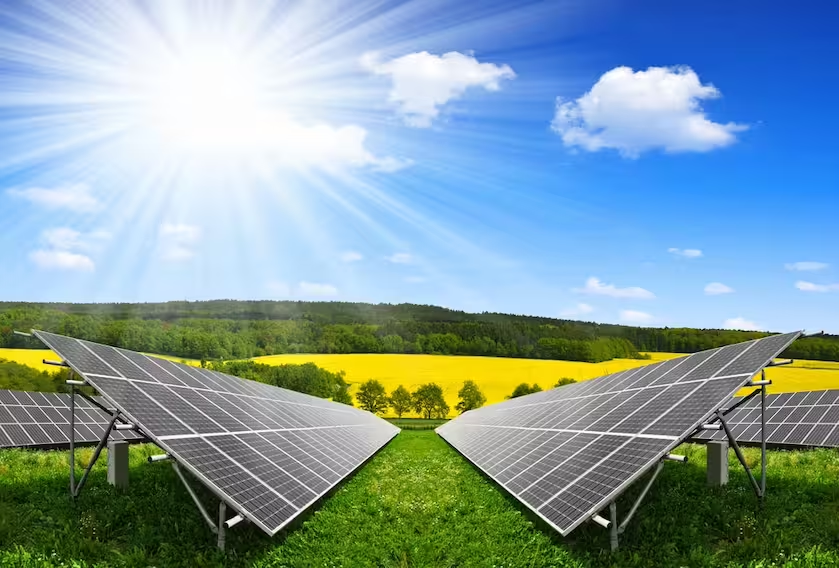
One of the most common concerns people have before switching to solar energy is whether sunlight must be strong and direct all the time. Many homeowners ask: can solar panels work on cloudy days, or do they stop producing electricity when the weather isn’t perfect? This question is especially important for those who want a reliable energy solution and are unsure how weather conditions might affect performance.
The good news is that solar panels do not need direct sunlight to generate electricity. While their efficiency may decrease under cloudy conditions, they still continue to produce power. In regions like Saudi Arabia, where sunny days dominate most of the year, occasional cloud cover has minimal impact on overall system performance. Understanding how solar panels behave in different weather conditions can help you make a confident decision about investing in solar energy. In this guide, we will explain how solar panels work on cloudy days, how weather affects their performance, and whether solar is still worth it in less-than-perfect conditions.
Table of Contents
Can Solar Panels Work on Cloudy Days?
The short answer is yes, can solar panels work on cloudy days is not just a question, but a confirmed fact. Solar panels can still generate electricity even when the sky is overcast.
Clouds reduce the amount of sunlight reaching the panels, but they do not block it completely. Panels can still absorb diffused sunlight, which allows them to continue producing energy, although at a lower efficiency compared to clear, sunny days.
What Are Solar Panels?
Solar panels are devices that convert sunlight into electricity using photovoltaic (PV) cells. These cells capture solar radiation and transform it into usable electrical energy.
A typical solar system includes:
- Solar panels
- Inverter
- Mounting structure
- Electrical wiring
These components work together to generate and distribute electricity for your home.
To learn more about Infinity Solar services
How Do Solar Panels Work?
Solar panels work by absorbing sunlight and converting it into direct current (DC) electricity. This electricity is then converted into alternating current (AC) by an inverter, making it suitable for household use.
Even in cloudy conditions, solar panels continue to generate electricity because they can capture diffused light, not just direct sunlight.
 How Much Power Can a Solar PV System Produce?
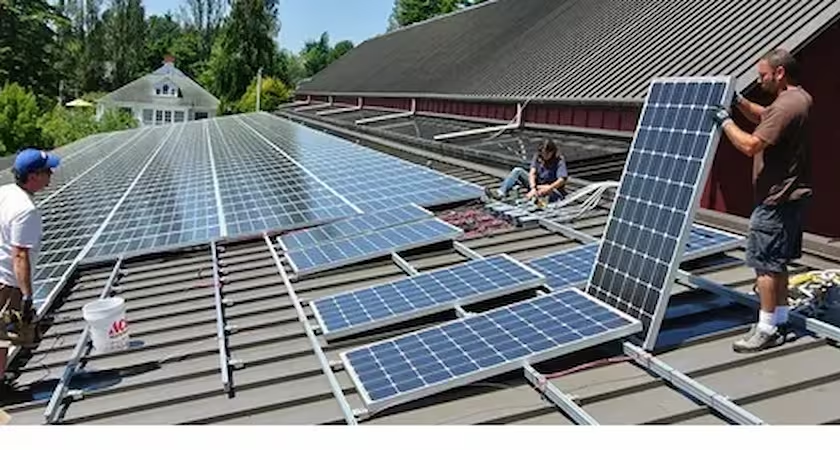 How Much Power Can a Solar PV System Produce?
The amount of power generated by a solar system depends on several factors:
- Sunlight intensity
- Panel efficiency
- System size
- Weather conditions
In ideal conditions, a solar panel produces maximum output, but during cloudy days, production typically drops to 10–50% of its peak capacity.
How Much Do Clouds Impact Solar Panel Efficiency?
Many homeowners ask, can solar panels work on cloudy days? The answer is yes. While clouds can reduce the amount of sunlight reaching the panels, solar systems can still generate electricity using indirect and diffused sunlight.
read more about: How to Install Solar Panels: Step-by-Step Guide for Homeowners
Light Clouds
With light cloud cover, solar panels may still produce around 60–80% of their normal energy output. Thin clouds allow a significant amount of sunlight to pass through, helping the system continue generating electricity efficiently during the day.
Heavy Clouds
During heavy or dense cloud cover, solar panel production can drop to around 10–30% depending on weather conditions and cloud thickness. Even in these conditions, the system does not completely stop working and can still provide some level of power generation.
Diffused Light Advantage
One reason solar panels work on cloudy days is because modern panels are designed to capture diffused sunlight as well as direct sunlight. This allows solar systems to continue producing energy even when the sun is partially or fully hidden behind clouds.
Effect of Rain on Solar Panels
Rain has both positive and negative effects on solar panels.
On one hand, rain reduces sunlight temporarily, lowering energy production. On the other hand, it helps clean dust and dirt from the panels, improving efficiency afterward.
This natural cleaning effect can enhance long-term performance.
Temperature Effects on Solar Panels
Interestingly, solar panels perform better in cooler temperatures.
High heat can reduce efficiency slightly, while moderate temperatures help maintain optimal performance. This means that cloudy days with lower temperatures can sometimes be beneficial for system efficiency.
Do Solar Panels Work in Winter?
Yes, solar panels continue to work during winter.
Even with shorter days and lower sunlight intensity, panels can still generate electricity. In regions with snow, panels may temporarily stop producing power if covered, but once cleared, they resume operation.
Do Solar Panels Work at Night?
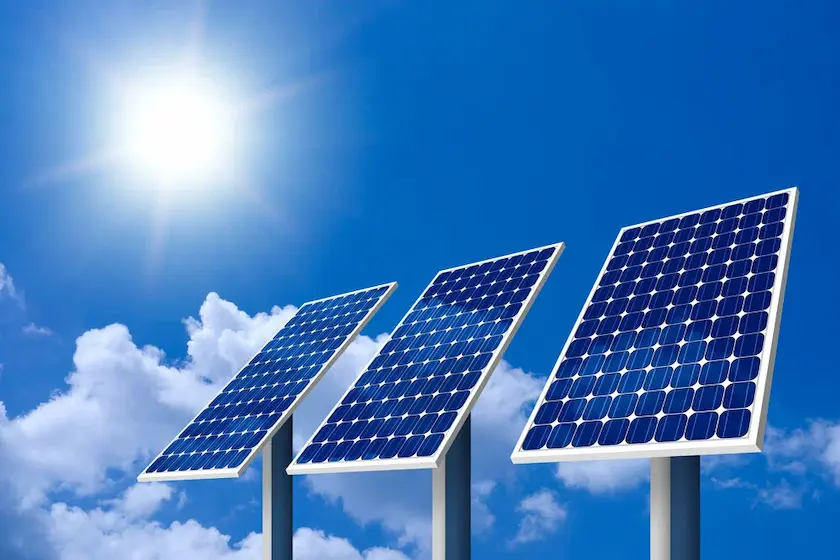 Do Solar Panels Work at Night?
No, solar panels do not generate electricity at night because they require sunlight to produce energy. Since there is no sunlight after sunset, the panels stop producing power until daylight returns. However, this does not mean homes with solar panels will lose electricity during the night.
Then How Do Homes With Solar Panels Have Power at Night?
Homes with solar energy systems can still access electricity at night through the utility grid or battery storage systems. During the day, excess energy generated by the panels is either stored in batteries or sent back to the grid for later use. This setup allows homeowners to continue using electricity even when solar panels are not actively producing power.
read more about: How Many Solar Panels to Power a House? Guide for Homeowners
Common Myths About Solar Panels on Cloudy Days
Many people wonder, can solar panels work on cloudy days, and several common myths create confusion about solar performance in bad weather. In reality, modern solar systems are designed to continue generating electricity even when sunlight conditions are not perfect.
Myth 1: Solar Panels Stop Working Completely
This is one of the most common misconceptions about solar energy. Solar panels continue producing electricity on cloudy days by capturing diffused sunlight, although energy output may be lower than on sunny days.
Myth 2: Solar Is Useless in Cloudy Weather
Solar energy systems can still generate significant electricity in cloudy climates over time. Many countries with less sunshine than Saudi Arabia successfully rely on solar power for residential and commercial energy needs.
Myth 3: You Need Constant Sunshine for Solar to Work
Solar panels are designed to work in different weather conditions, not only under direct sunlight. While strong sunshine improves efficiency, solar systems can still operate and generate electricity during cloudy or partially shaded conditions.
Should You Go Solar if You’re in a Cloudy Climate?
Even in areas with frequent cloud cover, solar energy can still be a viable and cost-effective solution.
Key considerations include:
- Annual sunlight availability
- Energy consumption
- System design
In Saudi Arabia, where sunny conditions dominate, cloud impact is minimal, making solar an excellent investment.
Why Should I Get a Solar Panel?
Installing solar panels offers multiple benefits:
- Reduced electricity bills
- Sustainable energy source
- Increased property value
- Energy independence
Even with occasional cloudy days, the long-term benefits outweigh short-term performance fluctuations.
Where Can I Learn More About Solar and Renewables?
To fully understand solar energy, consider:
- Consulting professional solar providers
- Reviewing energy consumption data
- Exploring system design options
Working with experts ensures you get the most efficient solution for your needs.
Conclusion
So, can solar panels work on cloudy days? The answer is a clear yes. While cloud cover can reduce efficiency, it does not stop solar panels from generating electricity. Modern solar technology is designed to capture both direct and diffused sunlight, ensuring consistent performance even in less-than-ideal weather conditions.
In regions like Saudi Arabia, where sunny days far outnumber cloudy ones, the impact of occasional clouds is minimal. Solar systems continue to deliver strong performance and long-term savings, making them a reliable and smart investment. Even in areas with more frequent cloud cover, solar energy remains a practical solution when properly designed.
If you are considering switching to solar energy, understanding how your system performs in different weather conditions can help you make an informed decision. At Infinity Solar, we provide customized solar solutions tailored to your location, energy needs, and budget.
Contact Infinity Solar today to discover how solar panels can work efficiently for your home,even on cloudy days,and start saving with clean, renewable energy.
To learn more about Infinity Solar services
FAQs
Do solar panels still work on cloudy days?
Yes, they continue to generate electricity using diffused sunlight, although at reduced efficiency.
How much electricity do panels produce on heavily cloudy days?
Typically between 10–30% of their normal output depending on cloud density.
Does weather affect solar panel performance?
Yes, factors like clouds, temperature, and rain can influence efficiency.
Is solar still worth it in cloudy climates?
Yes, solar remains cost-effective even in cloudy regions over the long term.
 Arabic
  English