


المدونة : كيف تعمل الواح الطاقة الشمسية
Does On-Grid Solar Need a Battery? Pros, Cons & When You Actually Need One

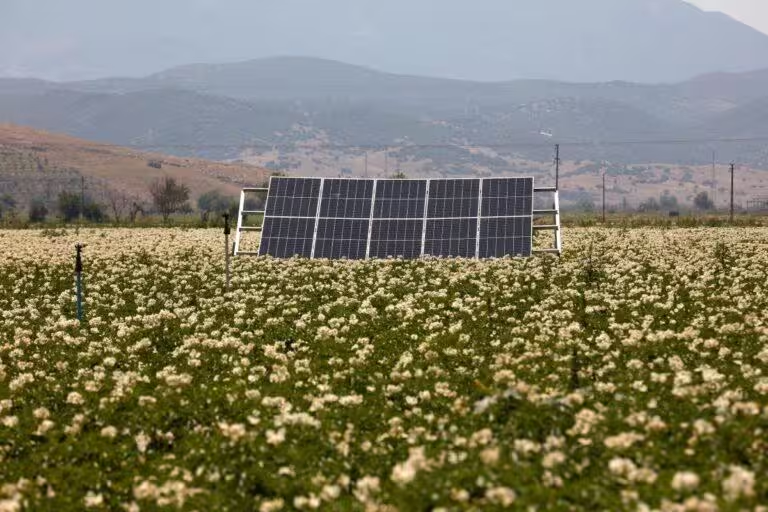
When homeowners consider switching to solar energy, one of the most common and practical questions they ask is: does on-grid solar need a battery? The answer can significantly affect both the total system cost and how you use solar energy in your daily life. Since batteries are often the most expensive component in a solar setup, understanding whether they are necessary or optional is essential before making any investment decision.
In countries like Saudi Arabia, where sunlight is abundant and electricity consumption is high-especially due to air conditioning-on-grid solar systems have become the most popular option. These systems are designed to work alongside the utility grid, providing power during the day while relying on the grid when needed. However, many homeowners are still unsure whether adding a battery is required or simply an optional upgrade. In this guide, we will clearly explain how on-grid systems work without batteries, their benefits and limitations, and when adding a battery actually makes sense.
Table of Contents
What Is an On-Grid Solar System?
An on-grid solar system, also known as a grid-tied system, is directly connected to the public electricity grid. It allows you to generate electricity using solar panels while still having access to the grid as a backup source whenever solar production is not sufficient.
During the day, the system generates electricity and uses it instantly inside your home. If there is excess energy, it is exported to the grid. At night or during low production periods, electricity is automatically imported from the grid, ensuring a continuous and stable power supply without the need for battery storage.
How Solar Works Without a Battery
To fully understand does on-grid solar need a battery, it’s important to know how these systems operate without energy storage. On-grid systems are designed to function efficiently by using the grid itself as a support system rather than relying on batteries.
How Grid-Tied Inverters Work
Grid-tied inverters play a key role in system performance by converting the electricity generated from solar panels into usable AC power. They also synchronize the system with the grid’s voltage and frequency to ensure safe and stable operation.
These inverters prioritize powering your home first using solar energy. Any excess electricity is automatically exported to the grid, which helps maximize system efficiency even without battery storage.
To learn more about Infinity Solar services
How the Grid Acts as a Virtual Battery
One of the main reasons on-grid systems do not require batteries is that the utility grid effectively acts as a “virtual battery.” Instead of storing excess energy physically, the system exports it to the grid and then draws electricity back when needed.
This approach eliminates the need for expensive battery systems while still allowing you to benefit from solar energy around the clock.
Read more about : How to Calculate Battery Capacity for Solar System: A Complete Practical Guide
Daylight-Only Operation – What It Means for You
Without a battery, solar panels generate electricity only during daylight hours. This directly impacts how and when you benefit from solar energy.
- Maximum savings occur during the daytime
- Nighttime electricity comes from the grid
- No stored energy is available for later use
For many households, especially those with daytime energy usage, this setup is more than sufficient.
 Are Solar Panels Worth It Without a Battery?
 Are Solar Panels Worth It Without a Battery?
Many homeowners wonder if installing solar panels without batteries is still a smart investment. In most cases, the answer is yes-especially when grid access is reliable and electricity pricing supports solar savings.
Lower Upfront Cost vs. Long-Term Gains
Installing solar without batteries significantly reduces the initial investment. This makes solar systems more affordable and shortens the payback period, even though energy storage is not included.
The Role of Net Metering in Solar Profitability
Net metering plays a major role in making battery-free systems financially attractive. It allows you to export excess electricity to the grid and receive credits, which can offset your electricity usage later.
Payback Period – Solar Only vs. Solar + Battery
Battery-free systems usually achieve faster payback because they have fewer components and lower installation costs.
- Lower upfront cost
- Reduced system complexity
- Minimal maintenance requirements
Adding a battery increases costs but may offer additional benefits depending on your usage.
Benefits of Going Solar Without a Battery
Battery-free on-grid systems are the most common choice because they offer a balance between cost, simplicity, and performance. Understanding these benefits helps answer the question does on-grid solar need a battery more clearly.
Lower Upfront Cost
Without battery storage, the overall system cost is significantly lower, making solar energy more accessible to homeowners.
Simplified Installation and Maintenance
Fewer components mean faster installation and less maintenance over time, reducing long-term operational effort.
Better System Efficiency
Energy flows directly from solar panels to your home or the grid, minimizing energy loss that typically occurs with battery storage systems.
Eligibility for Net Metering
Most on-grid systems qualify for net metering, allowing you to maximize savings by exporting excess electricity.
Easier Upgrades and Scalability
You can start with a simple system and add batteries later if needed, giving you flexibility as your energy needs grow.
Environmentally Friendly
Using solar energy reduces reliance on fossil fuels and contributes to a cleaner and more sustainable environment.
Challenges of Battery-Free Solar Systems
Despite their advantages, battery-free systems do have limitations that should be considered before making a decision.
No Backup Power During Outages
On-grid systems automatically shut down during power outages for safety reasons. This means you will not have electricity even if your solar panels are producing energy.
Grid Dependency
Without batteries, you remain dependent on the grid during nighttime or low-production periods.
No Load Shifting Capabilities
You cannot store excess energy for use during peak hours, which limits your ability to fully optimize energy consumption.
Read more about: How on Grid Solar System Works: A Complete Guide for Homeowners?
When Should You Add a Battery?
Although batteries are not required, there are situations where adding one can significantly improve system performance and reliability.
Frequent Power Outages
If your area experiences regular outages, a battery provides backup power and ensures continuous electricity.
No Net Metering Policy
If exporting electricity to the grid is not beneficial, storing energy in a battery may be a better option.
High-Priority Loads
Homes with critical systems, such as medical equipment or security systems, benefit from reliable backup power.
Maximizing Self-Consumption
Batteries allow you to use more of your own solar energy instead of relying on the grid.
Solar Without Battery vs. Solar + Battery – Full Comparison
Comparing both options helps clarify whether you really need a battery for your solar system.
Cost Comparison
Battery-free systems are more affordable upfront, while battery systems require higher initial investment.
Performance and Reliability
Systems with batteries provide backup power and greater independence, while battery-free systems depend on the grid.
Which Is Right for You?
The right choice depends on your budget, energy usage, and reliability needs. Many homeowners start without batteries and upgrade later.
How to Size a Battery-Free Solar System for Your Home
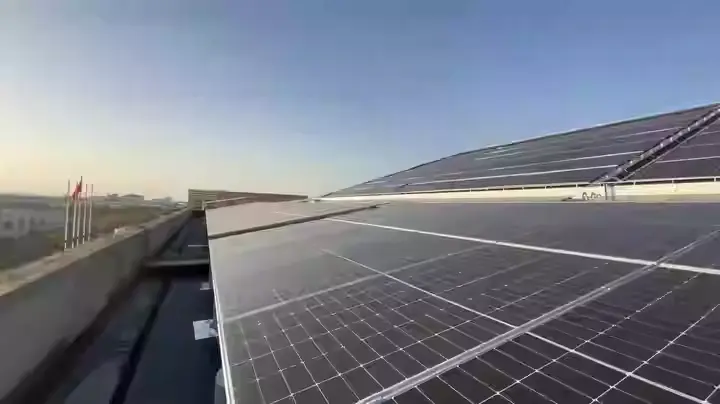 How to Size a Battery-Free Solar System for Your Home
Proper system sizing ensures you get the best performance without unnecessary costs.
Evaluating Your Energy Needs
Start by reviewing your electricity bills to understand your consumption patterns and determine the appropriate system size.
Choosing the Right Solar Inverter
Selecting a high-quality inverter ensures system efficiency and allows for future upgrades if needed.
Best Solar Panel Selection
High-efficiency panels are recommended to maximize energy production, especially for limited roof space.
Can I Add a Battery to My System Later?
Yes, and this is one of the biggest advantages of on-grid solar systems. You can start with a battery-free setup and upgrade later as your needs change.
You can upgrade your system by:
- Replacing the inverter with a hybrid inverter
- Adding battery storage
- Integrating smart energy management systems
This flexibility allows you to reduce initial costs while keeping future options open.
To learn more about Infinity Solar services
Conclusion
So, does on-grid solar need a battery? The answer for most homeowners is no. On-grid systems are designed to operate efficiently without batteries by using the utility grid as a backup source. This makes them more affordable, easier to install, and highly effective for reducing electricity bills.
However, adding a battery can provide additional benefits such as backup power, increased energy independence, and better control over energy usage. The decision ultimately depends on your priorities-whether you value cost savings, reliability, or long-term flexibility.
In Saudi Arabia, where sunlight is abundant and the electricity grid is reliable, starting with a battery-free system is often the smartest and most cost-effective choice. You can always upgrade later if your needs change.
Contact Infinity Solar today to find out whether your home needs a battery or if a simple on-grid system is the best solution for your energy needs.
 Arabic
  English