

المدونة : كيف تعمل الواح الطاقة الشمسية
What happens after 25 years of solar?

”
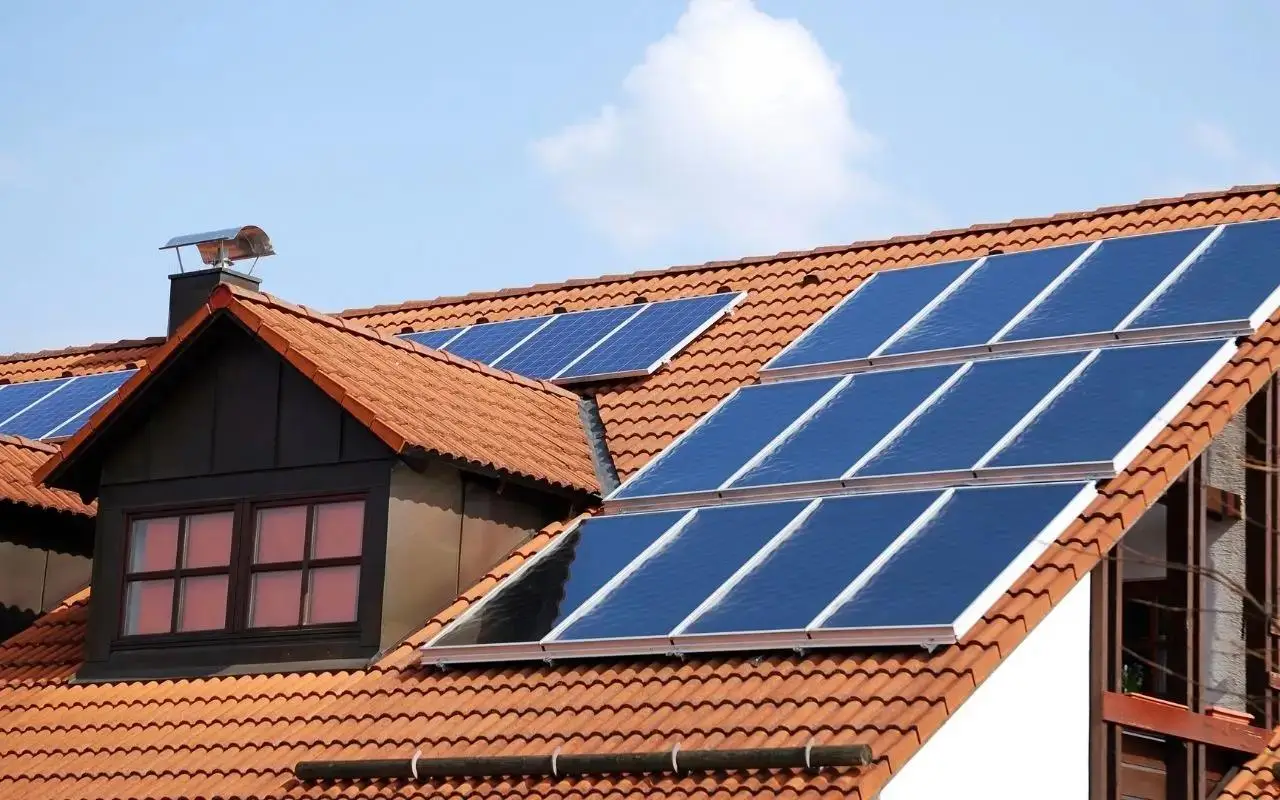
The growth of solar energy in Saudi Arabia and worldwide has brought a critical question to the forefront: What happens after 25 years of solar? Solar panels, or photovoltaic (PV) systems, are traditionally guaranteed for 25 years by manufacturers, but understanding their true lifespan, performance degradation, and end-of-life management is essential for anyone investing in solar power. Saudi Arabia’s abundant solar irradiance averaging over 2,400 kWh/m²/year gives solar energy great potential, making longevity and sustainability of solar panels imperative to meet the goals of Saudi Vision 2030 (Vision 2030) and the National Renewable Programme (NRP). This article offers a detailed guide on solar panel lifespan, degradation factors, replacement options, recycling, and modern battery technologies extending system life.
Table of Contents
How Long Do Solar Panels Last?
Solar panels typically have an operational lifespan of 25 to 30 years, although many continue to function beyond this period with reduced efficiency. The 25-year benchmark is set by industry standards and warranty agreements, guaranteeing that the panels will produce at least 80% of their original rated capacity after 25 years. This figure reflects the degradation rate, which is usually around 0.5% per year for high-quality monocrystalline panels, the most common type used in Saudi Arabia for residential and commercial solar installations.
According to the International Renewable Energy Agency (IRENA), solar technology has improved continuously, extending the effective lifespan of photovoltaic systems. Saudi Arabia’s solar strategy relies heavily on these durable systems to achieve the Vision 2030 goal of 50% renewable energy capacity by 2030. However, actual lifespan depends on several factors including environmental conditions, panel type (monocrystalline, polycrystalline, or thin-film), and quality of installation. Proper maintenance also plays a vital role in longevity.
For example, in Riyadh and Jeddah, where solar irradiance is high but dust accumulation can be significant, regular cleaning and inspection can prevent accelerated degradation. Industrial-scale solar farms in NEOM and other giga-projects also employ advanced monitoring systems to track panel health over time, ensuring optimal performance throughout their lifespan.
What happens after 25 years of solar?
After 25 years of solar, most photovoltaic panels will still generate electricity but at a reduced capacity, typically around 75-80% of their original output. This reduction is due to natural degradation processes affecting the semiconductor material, glass cover, and encapsulant layers. While the panels do not suddenly fail, their efficiency declines gradually, resulting in lower energy yields and a longer payback period for solar investments.
In practical terms, this means that after 25 years, the solar power system might still produce useful electricity but may no longer meet the energy demands it once covered fully. For residential users in Saudi Arabia, this might translate into increased reliance on the grid, especially during peak consumption periods. Commercial and industrial users might observe diminished returns on investment if the system is not upgraded or maintained properly.
Importantly, government programs such as the Renewable Energy Project Development Office (REPDO) emphasize end-of-life plans for solar assets to align with the Saudi Green Initiative aimed at reducing carbon footprint and promoting circular economy practices. The Saudi Electricity Company (SEC) also supports net metering policies that can help consumers maximize utility from aging solar assets by feeding excess power back to the grid, balancing the reduced panel output.
Get Your Free Solar Assessment Today
Discover how much you could save with solar energy. Our experts will assess your property, your needs, and your potential return on investment — completely free.
Do Solar Panels Need to Be Replaced After 25 Years?
Solar panels do not inherently need replacement immediately after 25 years. Many panels continue to operate effectively beyond their warranty period, although with diminished efficiency. Replacement decisions often depend on economic considerations such as the levelized cost of energy (LCOE), return on investment (ROI), and payback period. If the cost of maintaining older panels or the loss in energy production outweighs the benefits, replacement becomes a viable option.
In Saudi Arabia, where electricity prices and solar irradiance levels are favorable, it may still be cost-effective to extend the life of existing panels through maintenance and partial upgrades. For example, replacing inverters or adding battery storage can improve overall system performance without full panel replacement. However, for large-scale commercial or industrial systems, replacing panels after 25 years might be more advantageous to leverage technological advancements in monocrystalline PV efficiency and improved degradation rates.
Furthermore, the National Renewable Programme encourages sustainable practices that include assessing solar panel lifespan and planning for future upgrades. This ensures that solar installations continue to contribute meaningfully to Saudi Arabia’s renewable energy targets while minimizing environmental impact.
What are Factors that Affect Solar Panel Performance After 25 years?
Several factors influence solar panel performance after 25 years, causing efficiency to decline or physical damage to occur. Primary factors include environmental degradation, material wear, and technological obsolescence. Understanding these factors helps manage expectations and plan for system maintenance or replacement.
Environmental Exposure and Weathering
Continuous exposure to harsh weather conditions such as extreme heat, sandstorms, and UV radiation, common in Saudi Arabia’s desert climate, accelerates panel degradation. High temperatures can reduce panel efficiency by increasing resistance in photovoltaic cells. Additionally, dust accumulation from frequent sandstorms in Riyadh and Dammam can block sunlight and degrade performance if panels are not cleaned regularly. Humidity and occasional rain can also cause corrosion in mounting structures and electrical connections.
Material Degradation and Wear
Over decades, the encapsulant materials protecting solar cells may yellow or crack, reducing light transmission. The glass cover can develop microcracks due to thermal cycling (expansion and contraction from temperature changes). Junction boxes and wiring are susceptible to wear and corrosion, potentially causing electrical faults. The inverter, a critical component converting DC to AC power, generally has a shorter lifespan than panels and often requires replacement within 10-15 years to maintain system functionality.
Technological Advancements and Obsolescence
After 25 years, solar panel technology will have advanced significantly, making older panels comparatively less efficient. Newer panels achieve higher kilowatt-peak (kWp) ratings and better performance under low-light conditions. This technological gap may motivate users to upgrade to benefit from improved ROI and energy savings. Additionally, evolving regulatory frameworks by bodies such as the Saudi Energy Efficiency Center (ECO) promote modern energy solutions and may influence end-of-life decisions.
What Are the Options For Solar Panels After 25 years?
Once solar panels approach or exceed 25 years, several options exist depending on the system’s condition and user priorities. These options range from continued use with maintenance, partial upgrades, full replacement, or recycling programs. Choosing the right path depends on economic, environmental, and technical considerations.
Continued Use with Maintenance
If the solar panels maintain acceptable efficiency (above 75%), regular maintenance such as cleaning, inverter replacement, and wiring checks can prolong operational life. This option suits residential and commercial users aiming to maximize initial investments without large capital expenditures. For example, Infinity Solar offers professional solar panel installation services and maintenance that can help optimize performance beyond 25 years in Saudi Arabia’s demanding climates.
System Upgrade or Replacement
Replacing aging panels with newer, more efficient models improves system output and reduces the levelized cost of energy. Upgrading can also integrate modern technologies like bifacial panels or advanced inverters. Large-scale industrial installations might benefit from full replacement to align with energy savings targets under Vision 2030. Economic incentives and depreciation schedules should be considered when planning upgrades.
read more: What Is the 33% Rule in Solar Panels? A Complete Guide
Recycling and Disposal
Proper recycling is critical for sustainable solar energy development. Panels contain valuable materials such as silicon, glass, and aluminum frames, which can be recovered and reused. Saudi Arabia is developing regulatory frameworks aligned with the Saudi Green Initiative to promote solar panel recycling and reduce landfill waste. Collaborating with specialized recycling firms ensures compliance with environmental standards and supports circular economy principles.
Ready to Switch to Solar? Let’s Talk.
From residential systems to large-scale industrial projects — Infinity Solar designs, installs, and maintains the right solar solution for you across Saudi Arabia.
What About Solar Panel Recycling?
Solar panel recycling is an emerging sector vital for managing end-of-life photovoltaic systems responsibly. Panels typically contain 70-80% glass by weight, along with metals like aluminum for frames, copper in wiring, and semiconductor materials such as silicon. Recycling recovers these components, reducing environmental impact and conserving resources.
Globally, solar panel recycling rates are improving but still represent a small fraction of total installed capacity reaching end-of-life. In Saudi Arabia, authorities and private companies are increasingly aware of the need to establish robust recycling infrastructure. The Saudi Green Initiative, supported by entities like KACST (King Abdulaziz City for Science and Technology) and KAPSARC (King Abdullah Petroleum Studies and Research Center), promotes sustainable waste management aligned with Vision 2030.
Recycling technologies include mechanical separation, thermal processing, and chemical treatment. These processes allow recovery of high-purity silicon and metals for reuse in new solar panels or other industries. Proper disposal of hazardous materials such as lead or cadmium in certain thin-film panels is strictly regulated to prevent environmental contamination.
read more:How Solar Energy System Starts
How does modern technology help batteries last longer?
Modern battery technologies significantly enhance the longevity and reliability of solar energy storage systems, complementing solar panels’ lifespan. Lithium-ion batteries dominate the market due to their high energy density, efficiency, and longer cycle life compared to older lead-acid alternatives. Innovations in battery chemistry, thermal management, and battery management systems (BMS) extend operational life beyond 10-15 years, bridging the gap with solar panel lifespans.
In Saudi Arabia, integrating advanced battery storage with solar installations supports grid stability and energy independence, especially in remote areas and mega-projects like NEOM. These batteries help manage peak loads, store excess solar power, and improve overall energy savings. Intelligent energy management and predictive maintenance enabled by Internet of Things (IoT) technologies further protect battery health, reducing degradation and increasing ROI.
Infinity Solar’s solar panel installation services include customized battery solutions designed to optimize system performance over decades. By adopting cutting-edge battery technology, users can maximize clean energy utilization and reduce reliance on fossil fuels in line with the Saudi Green Initiative.
Why Is Solar Panels End-of-Life Management Important?
End-of-life (EOL) management of solar panels is crucial to ensure sustainability, environmental protection, and economic efficiency within the renewable energy sector. Effective EOL strategies prevent hazardous waste accumulation, enable material recovery, and support circular economy goals embedded in Saudi Vision 2030 and the National Renewable Programme.
Without proper EOL management, disposal of solar panels risks soil and water contamination from heavy metals and toxic substances contained in some panel types. Additionally, lost opportunities for recycling valuable materials increase demand for virgin resource extraction, raising carbon footprints and costs. Saudi Arabia’s commitment to the Saudi Green Initiative includes fostering policies and partnerships to build robust solar panel recycling and reuse systems.
End-of-life management also supports long-term financial planning for solar investments. By anticipating replacement or recycling costs, consumers and businesses can optimize ROI and contribute to national energy targets. Programs by the Saudi Electricity Company and REPDO increasingly incorporate EOL considerations into project approvals and incentive structures.
For more detailed information on renewable energy solutions, visit Infinity Solar, a leading solar company aligned with Vision 2030. Their comprehensive solar panel installation services include consultation on system lifespan, maintenance, and end-of-life management to help you make informed decisions.
Infinity Solar is a trusted renewable energy company in Saudi Arabia, dedicated to advancing sustainable solar power solutions aligned with Saudi Vision 2030. Backed by UAE-based expertise and bolstered by regional presence across Saudi Arabia, Egypt, and Oman, Infinity Solar combines global best practices with deep local market knowledge. Their commitment to clean, cost-effective solar technologies positions them as a leader in the Kingdom’s transition to a green energy future.
Why Infinity Solar Is Your Trusted Solar Energy Partner in Saudi Arabia
Infinity Solar is one of the most trusted renewable energy companies in Saudi Arabia, delivering end-to-end solar solutions for residential, commercial, and industrial clients across the Kingdom. Fully aligned with Saudi Vision 2030’s goal of 50% renewable energy, and backed by the expertise and investment of its UAE-based parent company, Infinity Solar combines global best practices with deep local market knowledge to provide clean, reliable, and cost-effective solar energy.
الأسئلة الشائعة
Can solar panels last 40 years?
Can I run AC with a solar panel?
How efficient are solar panels after 30 years?
Start Your Solar Journey with Infinity Solar
Join thousands of Saudi homes and businesses already saving with clean solar energy. Our team handles everything — from the site survey to the grid connection — so you can focus on what matters.
“
 Arabic
  English