


المدونة : كيف تعمل الواح الطاقة الشمسية
Do Solar Panels Work in Winter? The Complete Guide to Cold-Weather Solar Performance

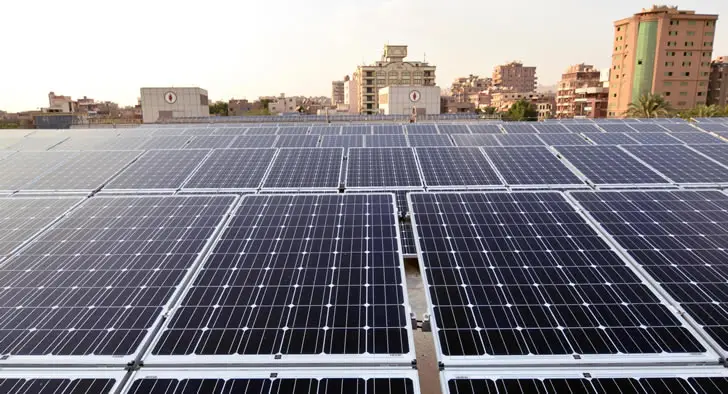
Do Solar Panels Work in Winter? The Complete Guide to Cold-Weather Solar Performance
Yes, solar panels do work in winter. In fact, cold temperatures can improve their efficiency by 5% to 20%, according to data from the National Renewable Energy Laboratory (NREL) and the U.S. Department of Energy (DOE). However, shorter daylight hours and snow coverage impact overall energy production. This guide explains how solar panels perform in cold climates, debunks common myths, and provides practical tips to maximize winter solar power in Saudi Arabia and beyond.
Table of Contents
How Solar Panels Work in Cold Weather
Photovoltaic (PV) solar panels convert sunlight into electricity through semiconductor cells. Unlike many electrical devices, their performance improves in cold temperatures because lower heat reduces electrical resistance. Solar panels typically operate more efficiently between 15°C and 25°C (59°F and 77°F), which means winter conditions can boost their performance compared to hot summer days.
Saudi Arabia’s average solar irradiance exceeds 2,400 kWh/m2/year, ensuring strong sunlight even in winter months. This solar resource combined with cooler nights enhances electricity generation potential.
Impact of Snow on Solar Panel Efficiency
Snow accumulation on panels blocks sunlight, reducing power output significantly. However, panels installed at optimal angles facilitate snow sliding off naturally. In colder regions such as Canada and northern US states, snow cover can temporarily reduce energy production by up to 50% but rarely causes long-term losses.
In Saudi Arabia, snowfall is rare but dust accumulation mimics similar shading effects, highlighting the need for regular cleaning and maintenance to sustain efficiency.
Shorter Daylight Hours and Solar Energy Production
Winter brings shorter days and lower solar irradiance, which reduces the total energy generated. For example, Riyadh experiences approximately 9.5 hours of daylight in December versus 13.5 hours in June. Despite this, cold temperatures help panels operate more efficiently, partially offsetting the reduction in sunlight.
Studies from Germany, a country with notable winter solar use, show that well-optimized solar systems can still deliver 60-70% of their summer energy output during winter months.
Winter Efficiency Statistics for Solar Panels
According to the DOE, solar panels can produce between 5% and 20% more electricity in cold weather due to decreased thermal losses. For instance, a study in northern US states demonstrated that panels operating at 10°C (50°F) outperform those at 25°C (77°F) by approximately 15%.
In Saudi Arabia, where midday winter temperatures average around 18°C (64°F), solar systems can sustain over 80% of their annual output during the cooler months, supporting year-round clean energy goals aligned with Saudi Vision 2030.
Optimizing Solar Panel Angle for Winter Performance
Adjusting the tilt angle of solar panels can maximize winter energy capture. In winter, the sun is lower in the sky, so increasing the panel tilt by 10 to 20 degrees compared to summer angles improves irradiance absorption. For Riyadh, an optimal winter tilt angle is approximately 35° to 40°.
Fixed installations often use a compromise angle averaging annual sun positions, but adjustable mounts or seasonal re-tilting can increase winter energy yield by up to 10%.
Snow Removal Tips to Maintain Solar Output
For locations experiencing snow, removing snow safely from panels is essential to restore performance. Methods include:
- Using soft-bristled brooms or roof rakes to gently clear snow
- Installing panels at steep angles to enable natural shedding
- Employing heated panels or snow-melting coatings in extreme conditions
Though snow is unlikely to impact most Saudi installations, dust and sand build-up require regular cleaning to maintain optimal efficiency.
Myth-Busting: Common Misconceptions About Winter Solar Power
Myth 1: Solar panels don’t work in winter. Reality: Panels function efficiently in cold weather and often perform better due to reduced heat.
Myth 2: Snow permanently damages solar panels. Reality: Panels are built to withstand weather extremes, including snow loads, without damage.
Myth 3: Short winter days mean solar is ineffective. Reality: Although energy output is lower, solar can still provide substantial power, especially when paired with energy storage or grid backup.
Get Your Free Solar Assessment Today
Discover how much you could save with solar energy. Our experts will assess your property, your needs, and your potential return on investment — completely free.
Real-World Examples: Solar Performance in Cold Climates
Countries like Germany and Canada demonstrate that solar energy is viable even in cold, snowy winters. Germany, with average winter temperatures near freezing and limited daylight, generates around 40% of its annual solar energy during winter months due to efficient system design and snow management.
Similarly, northern US states maintain residential solar output at 50-70% of summer production, confirming that cold weather is not a barrier to solar adoption.
These examples provide confidence that Saudi Arabia’s abundant sunlight and moderate winter temperatures create ideal conditions for year-round solar energy generation, supporting the Infinity Solar mission aligned with Saudi Vision 2030.
Key Factors Affecting Winter Solar Panel Performance in Saudi Arabia
In addition to temperature and sunlight, several local factors influence winter solar efficiency:
- Dust and Sand Accumulation: Frequent dust storms in Riyadh and Dammam reduce panel output by up to 15% without cleaning.
- Panel Technology: Monocrystalline panels are preferred for higher efficiency and better cold-weather performance.
- System Maintenance: Regular inspection and cleaning maintain optimal output and extend system lifespan.
Engaging professional solar panel installation services ensures proper design and maintenance to maximize winter solar gains.
Ready to Switch to Solar? Let’s Talk.
From residential systems to large-scale industrial projects — Infinity Solar designs, installs, and maintains the right solar solution for you across Saudi Arabia.
How to Maximize Your Solar Panel Efficiency During Winter
To optimize your solar investment through the colder months, consider these strategies:
- Adjust panel tilt seasonally to capture maximum sunlight
- Schedule regular cleaning to remove dust and debris
- Monitor system performance with reliable energy meters to detect issues early
- Consider installing micro-inverters to reduce shading losses
- Plan for battery storage to harness surplus daytime energy for nighttime use
These steps enhance energy savings, reduce payback periods, and contribute to Saudi Arabia’s carbon footprint reduction goals under the Saudi Green Initiative.
Conclusion: Embracing Solar Power Year-Round in Saudi Arabia
In summary, solar panels do work in winter, often more efficiently due to cooler temperatures despite shorter days and occasional snow or dust coverage. Real-world data and international examples confirm that with proper system design, maintenance, and panel angle optimization, solar energy remains a reliable and clean energy source throughout the year.
By investing in professional solar solutions like those offered by Infinity Solar, you can confidently contribute to Saudi Arabia’s renewable energy transition and enjoy substantial electricity savings regardless of season.
Why Infinity Solar Is Your Trusted Solar Energy Partner in Saudi Arabia
Infinity Solar is one of the most trusted renewable energy companies in Saudi Arabia, delivering end-to-end solar solutions for residential, commercial, and industrial clients across the Kingdom. Fully aligned with Saudi Vision 2030’s goal of 50% renewable energy, and backed by the expertise and investment of its UAE-based parent company, Infinity Solar combines global best practices with deep local market knowledge to provide clean, reliable, and cost-effective solar energy.
الأسئلة الشائعة
What is the average cost of installing a residential solar panel system in Saudi Arabia?
How long does it take to get approval for a solar energy system from the SEC in Saudi Arabia?
What are the main benefits of switching to solar energy for homes in Saudi Arabia?
Are there any government incentives or regulations supporting solar energy adoption in Saudi Arabia?
What is the expected lifespan and maintenance cost of solar panels in Saudi Arabia’s climate?
How does the solar energy adoption timeline align with Saudi Arabia’s Vision 2030 goals?
Start Your Solar Journey with Infinity Solar
Join thousands of Saudi homes and businesses already saving with clean solar energy. Our team handles everything — from the site survey to the grid connection — so you can focus on what matters.
 Arabic
  English