


المدونة : كيف تعمل الواح الطاقة الشمسية
What Are On-Grid and Off-Grid Solar Systems? : Complete Guide

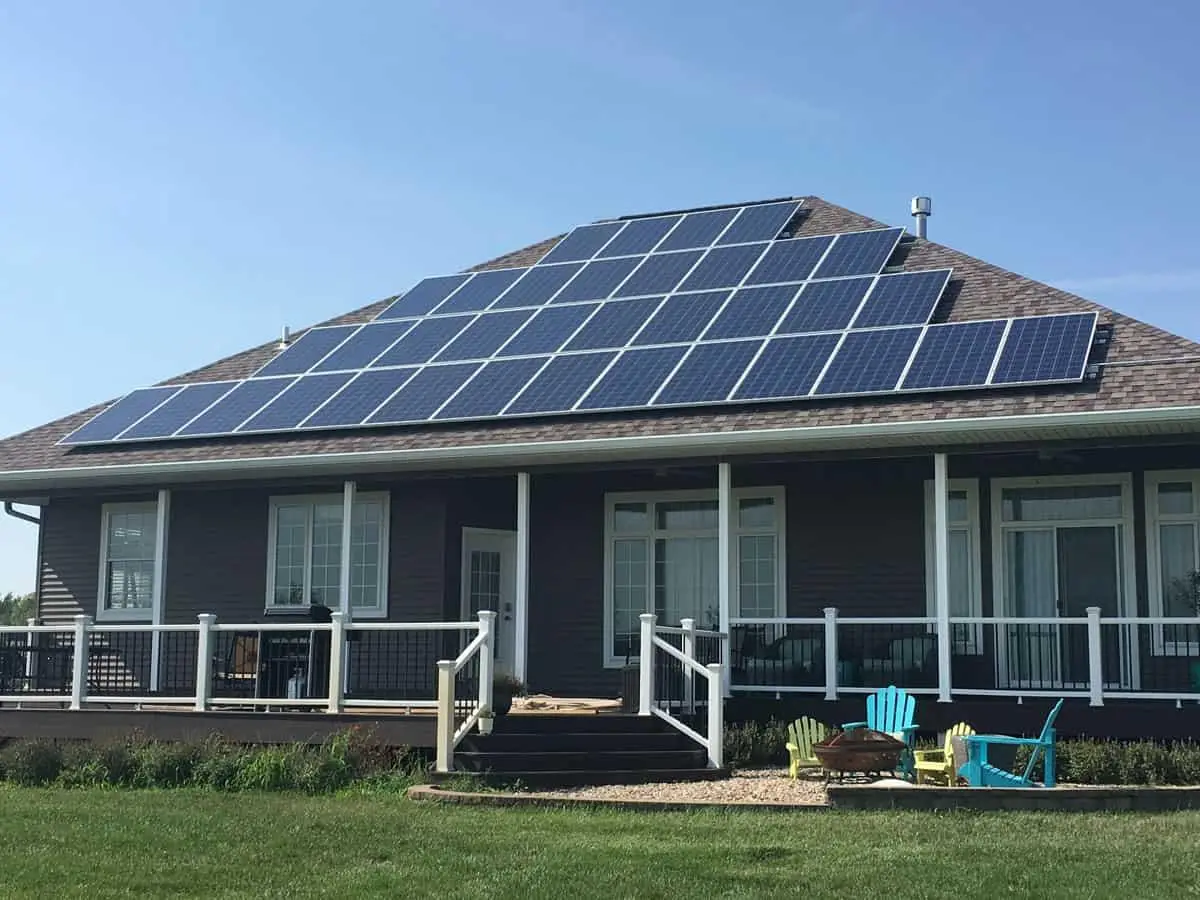
Choosing the right solar system can be confusing. What is an on grid and off grid solar system, and how do you know which is better for your home or business? This guide walks you through the differences, advantages, and how to select the system that fits your energy needs and lifestyle.
Understanding what is on grid and off grid solar systems is essential for homeowners and businesses considering solar energy. Solar systems can be connected directly to the national electricity grid or operate independently. Each option has unique benefits, costs, and ideal applications depending on energy needs.
This guide explains the differences between on-grid and off-grid systems, hybrid solutions, environmental benefits, and practical considerations to help you make informed decisions for your home or business in Saudi Arabia.
Table of Contents
What are On-Grid and Off-Grid Solar Systems: Main Differences
While both on-grid and off-grid solar systems generate electricity from sunlight, they differ significantly in how they operate, their cost structure, and the level of energy independence they provide. Understanding these key differences helps users select the system that best matches their location, energy needs, and long-term goals.
The main differences between on-grid and off-grid solar systems include:
How Does Grid Connection Differ Between On-Grid and Off-Grid Systems?
On-grid solar systems are directly connected to the utility grid, allowing users to draw electricity when solar production is insufficient. Off-grid systems, in contrast, operate independently from the grid and rely entirely on solar generation and stored energy to meet power demands.
How Does Energy Storage Work in On-Grid vs Off-Grid Solar Systems?
Off-grid solar systems require battery storage to supply electricity during nighttime and low-sun periods. On-grid systems may not require batteries, as the grid itself acts as a backup power source, making them simpler in design.
What Is the Cost Difference Between On-Grid and Off-Grid Solar Systems?
Off-grid systems are typically more expensive due to the need for batteries, charge controllers, and sometimes backup generators. On-grid systems generally have lower upfront costs because they rely on the grid rather than large energy storage solutions.
Which Solar System Is More Reliable: On-Grid or Off-Grid?
On-grid systems depend on grid stability and may shut down during power outages for safety reasons. Off-grid systems ensure full energy autonomy, providing continuous power regardless of grid availability or outages.
These differences highlight why system selection should be based on both technical requirements and lifestyle or operational priorities.
Read more about : What Is a Solar Power System
What Does an Off-Grid Solar System Mean?
An off-grid solar system operates independently from the electricity grid. It relies on batteries to store solar energy for use during cloudy days or at night. Off-grid systems are ideal for remote areas where grid access is unavailable or unreliable.
They require careful planning of energy consumption and storage capacity but provide full energy independence. Off-grid solutions are increasingly popular for villas, farms, and small businesses in rural Saudi Arabia.
To learn more about Infinity Solar services
Why Are On-Grid and Off-Grid Solar Systems Important?
Both on-grid and off-grid solar systems play a vital role in expanding the adoption of solar energy across different regions and use cases. Each system addresses specific energy challenges and contributes to a more flexible and resilient energy landscape. Understanding their importance helps homeowners, businesses, and decision-makers choose the most suitable solution for their needs.
On-grid systems help reduce national energy demand by supplying clean electricity directly to the grid, especially during peak daylight hours. This promotes sustainable energy use and reduces pressure on conventional power plants. Off-grid systems, on the other hand, bring electricity to remote and underserved locations where grid access is limited or unavailable, improving quality of life, supporting economic activity, and enabling true energy independence.
Read more about : How to Determine Solar System Size
What Are the Main Uses of On-Grid and Off-Grid Solar Systems?
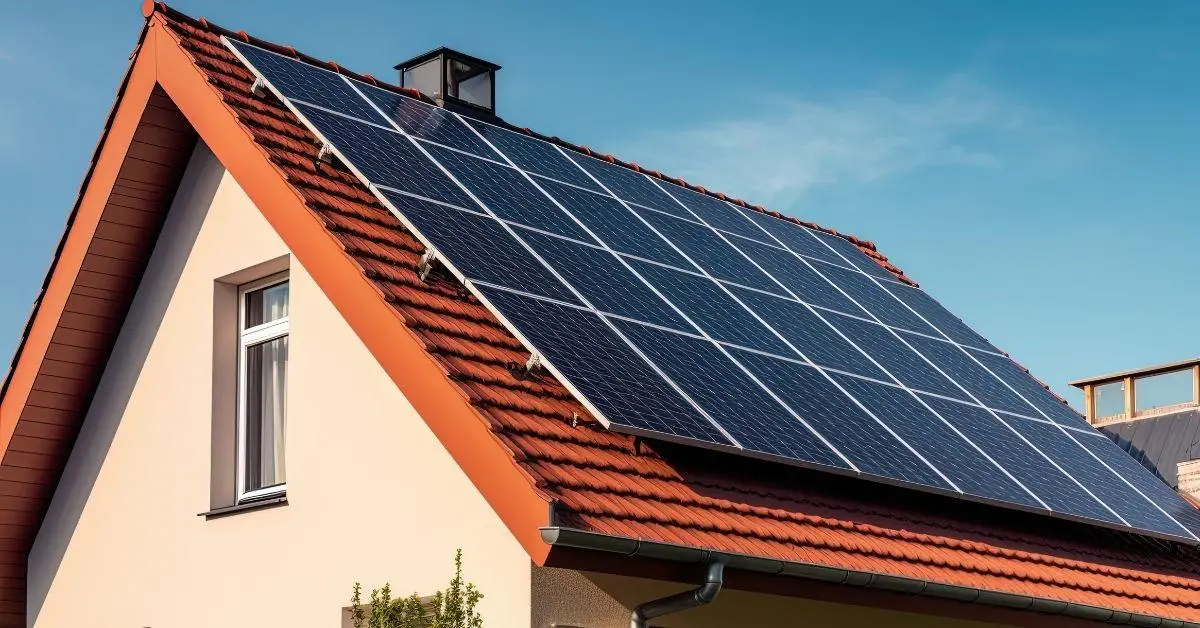 On-grid and off-grid solar systems are designed for different environments and operational needs. Their applications vary based on location, infrastructure availability, and energy demand.
What Are On-Grid Solar Systems Commonly Used For?
- Urban homes seeking to reduce electricity bills
- Offices and commercial buildings with stable grid access
- Industrial facilities aiming to lower operational energy costs
What Are Off-Grid Solar Systems Typically Used For?
- Remote homes without access to the utility grid
- Farms and agricultural operations
- Desert locations and isolated sites
- Emergency power backup and critical infrastructure
These use cases highlight how solar systems can be adapted to serve both densely populated areas and remote environments effectively.
What Is a Hybrid Solar System?
A hybrid solar system combines the key features of both on-grid and off-grid systems, offering a balanced and flexible energy solution. It remains connected to the utility grid while also storing excess solar energy in batteries for later use. This allows users to access stored energy during power outages or high-tariff periods while still benefiting from grid support when needed.
Hybrid systems provide enhanced energy security, improved reliability, and greater control over energy consumption. They are especially beneficial in areas with intermittent grid reliability, where users want backup power without fully disconnecting from the grid. By optimizing energy usage and reducing dependence on a single power source, hybrid systems offer a future-ready solution for homes and businesses alike.
Read more about : How to Calculate Battery Capacity for Solar System
What Are Real-World Examples of On-Grid and Off-Grid Solar Systems?
Real-world examples help clarify how different solar system types operate in practice and how they are adapted to specific locations and energy needs. Each system type serves a distinct purpose depending on infrastructure availability, consumption patterns, and reliability requirements.
On-Grid Example:
A rooftop solar installation in Riyadh connected to the utility grid allows a household to generate electricity during the day while offsetting monthly electricity costs. Excess energy produced during peak sunlight hours is exported back to the grid, reducing reliance on utility power and improving overall energy efficiency without the need for large battery storage.
Off-Grid Example:
A remote farm in Al-Ula operates entirely on solar energy using ground-mounted solar panels and battery storage. The system stores sufficient energy during the day to power lighting, equipment, and essential loads at night, providing complete energy independence in a location without grid access.
Hybrid Example:
A business building in Jeddah uses a hybrid solar system that combines solar panels, battery storage, and grid connection. This setup ensures maximum reliability by storing excess solar energy for backup power while maintaining grid access during high-demand periods or extended cloudy conditions.
How to Choose Between On-Grid and Off-Grid Solar Systems
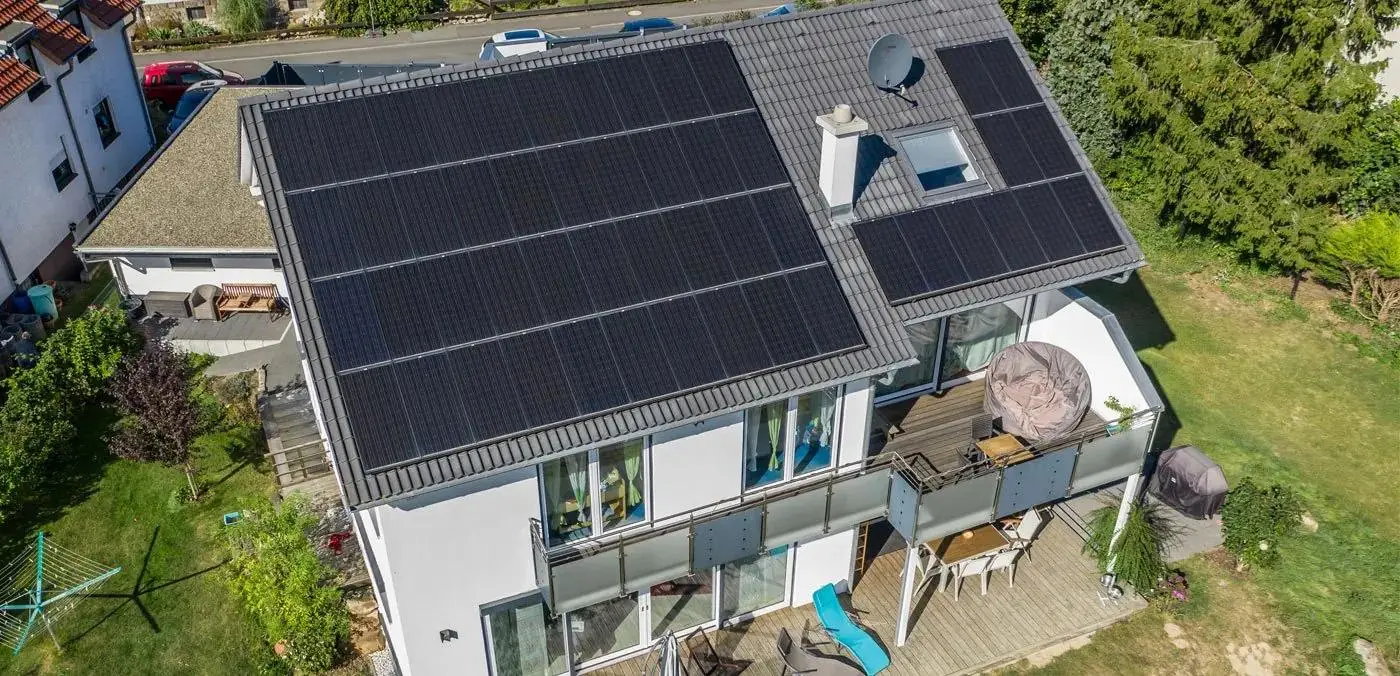 Selecting the right solar system depends on a combination of technical, financial, and practical factors. Understanding these considerations helps ensure that the system delivers reliable performance and long-term value.
Assess energy needs and daily consumption:
Review electricity usage patterns to determine how much power is required on a daily and seasonal basis. This information forms the foundation for accurate system sizing and design.
Consider grid reliability and location:
In areas with stable grid access, on-grid systems may be more cost-effective. Remote locations or areas with unreliable grid service often benefit more from off-grid or hybrid solutions.
Budget for installation and battery storage if needed:
Off-grid and hybrid systems require battery storage, which increases upfront costs. Establishing a clear budget helps balance system performance with financial feasibility.
Evaluate long-term cost savings versus initial investment:
While some solar systems require higher initial investment, long-term savings from reduced electricity bills and increased energy independence can provide greater overall value.
Read more about : How to Design Off-Grid Solar System
What Are the Environmental Advantages of Solar Systems?
Solar power systems play a vital role in protecting the environment and supporting long-term sustainability. By generating electricity from sunlight, solar systems offer a cleaner alternative to traditional energy sources and help reduce the environmental impact of power generation. These advantages make solar energy an essential solution for both homes and businesses seeking responsible and future-focused energy options.
Key environmental benefits of solar systems include:
Reducing greenhouse gas emissions:
Solar energy produces electricity without emitting carbon dioxide or other harmful gases, helping combat climate change and improve air quality.
Decreasing reliance on fossil fuels:
By using renewable solar energy, dependence on oil, gas, and other non-renewable resources is significantly reduced.
Promoting sustainable energy adoption:
Solar systems encourage the transition toward clean and renewable energy sources across residential and commercial sectors.
Supporting Saudi Arabia’s renewable energy targets and Vision 2030:
Solar power aligns with national goals focused on energy diversification, environmental protection, and long-term sustainability.
How to Decide the Appropriate Size for an Off-Grid or On-Grid Solar System
Choosing the right solar system size is a critical step to ensure reliable performance and long-term efficiency. An undersized system may fail to meet your energy needs, while an oversized system can increase costs unnecessarily. The sizing process differs slightly between on-grid and off-grid systems, but both require a clear understanding of consumption patterns and future requirements.
To determine the appropriate system size, consider the following key factors:
Calculate your average energy consumption:
Review your electricity bills or list all appliances to understand how much energy you use daily and monthly. This forms the foundation for accurate system sizing.
Factor in peak usage times:
Identify when electricity demand is highest, such as evenings or summer months. Peak usage plays a major role in determining inverter capacity and overall system performance.
Include battery capacity for off-grid systems:
Off-grid systems must store enough energy to supply power during nights and cloudy days. Battery capacity should be sized based on daily usage and the desired number of backup days.
Consult with a professional solar provider for precise sizing:
A professional assessment ensures the system is correctly designed based on location, sunlight availability, roof space, and regulatory requirements, avoiding costly mistakes.
To learn more about Infinity Solar services
FAQ
Which is better, off-grid or on-grid solar system?
It depends on location, energy needs, and grid availability. On-grid systems suit urban areas, while off-grid systems are ideal for remote locations.
How many solar panels do I need off-grid?
Panel count depends on daily energy consumption, sunlight hours, and battery storage. A professional assessment is recommended.
Conclusion
Choosing the right solar system ensures reliable energy, cost savings, and environmental benefits. Contact Infinity Solar today to explore on-grid, off-grid, or hybrid solar solutions tailored for your home or business in Saudi Arabia. Our expert team handles installation, maintenance, and support to make your solar journey seamless.
 Arabic
  English