


Blog : Solar Energy System Guide
How On Grid Solar System Works: A Complete Guide for Homeowners

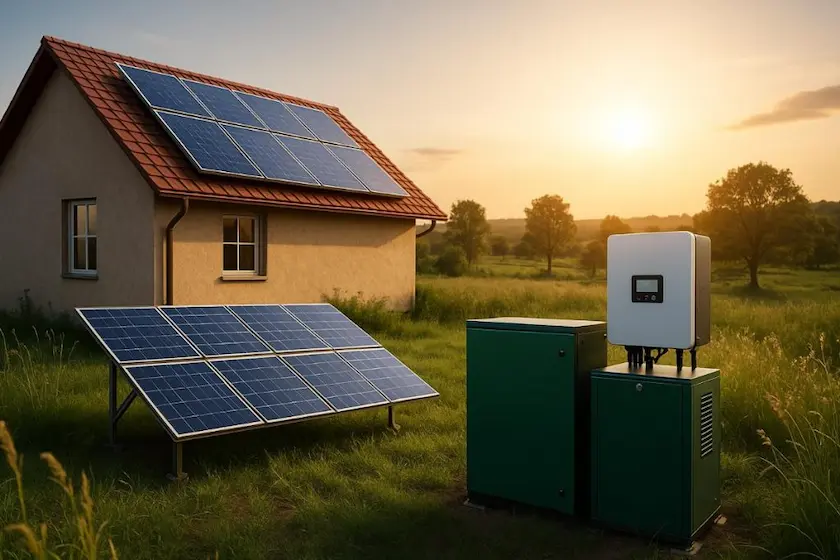
As solar energy becomes more popular across Saudi Arabia, many homeowners and businesses are looking for efficient ways to reduce electricity costs without completely disconnecting from the utility grid. One of the most widely used solutions is the on-grid solar system. But before making the decision to install one, most people ask a very important question: how on grid solar system works and whether it is the right choice for their home or business.
An on-grid solar system, also known as a grid-tied solar system, is designed to work alongside the main electricity grid. This means you can generate your own power during the day while still relying on the grid when needed. This balance makes it one of the most cost-effective and practical solar solutions available today. In a country like Saudi Arabia, where sunlight is abundant but energy consumption specially from air conditioning is high, understanding how this system works can help you make a smarter and more profitable investment.
In this guide, we will explain in simple terms how on-grid solar systems operate, what components they include, their advantages and disadvantages, and what you should consider before installing one. By the end, you will have a clear understanding of how on grid solar system works and whether it is the best option for your property.
Table of Contents
What is an On-Grid Solar System?
An on-grid solar system is a solar power setup that is directly connected to the public electricity grid. Unlike off-grid systems, it does not require battery storage to function, making it more affordable and easier to maintain.
This system works by generating electricity from solar panels during the day. The energy is first used to power your home or business. If there is excess energy, it can be sent back to the grid. On the other hand, if your solar system does not produce enough electricity such as at night you simply draw power from the grid.
This dual-source approach ensures that you always have a reliable electricity supply without needing expensive battery storage systems.
Key Components of an On-Grid Solar System
To understand how on grid solar system works, it is important to know the key components that make up the system. Each part plays a critical role in converting sunlight into usable electricity and managing energy flow.
Solar Panels
Solar panels are responsible for capturing sunlight and converting it into direct current (DC) electricity. They are typically installed on rooftops where they receive maximum sunlight exposure throughout the day.
High-quality solar panels are designed to withstand harsh weather conditions, including high temperatures and dust, making them ideal for Saudi environments.
Grid-Tie Inverter
The inverter is one of the most important components in the system. Since solar panels produce DC electricity, the inverter converts it into alternating current (AC), which is used by household appliances.
In on-grid systems, the inverter also synchronizes the solar power with the grid’s voltage and frequency to ensure smooth operation.
Grid Connection
The system is connected to the utility grid, allowing electricity to flow in both directions. This connection ensures that your home always has access to power, even when solar production is low.
Utility Meter
The utility meter tracks the amount of electricity you consume from the grid and the amount you export back. In many regions, this is managed through net metering.
Mounting Systems
Mounting structures hold the solar panels securely in place. Proper mounting ensures optimal angle, stability, and airflow, which helps improve efficiency and lifespan.
To learn more about Infinity Solar services
How an On-Grid Solar System Works
To fully understand how on grid solar system works, it is helpful to break the process into clear steps. The system operates continuously throughout the day, adjusting based on sunlight and energy demand.
Step 1: Solar Energy Generation
During daylight hours, solar panels absorb sunlight and convert it into DC electricity. The amount of energy generated depends on factors such as sunlight intensity, panel efficiency, and installation angle.
Step 2: Conversion of DC to AC
The DC electricity produced by the panels is sent to the inverter, which converts it into AC electricity. This is the type of power used by all household appliances, including air conditioners, lighting, and electronics.
Step 3: Powering the Load
Once converted, the electricity is used immediately to power your home. This reduces the amount of electricity you need to draw from the grid, lowering your electricity bill.
Step 4: Net Metering
If your system generates more electricity than your home consumes, the excess energy is sent back to the grid. This is recorded by the utility meter and can be credited to your account, depending on local regulations.
Step 5: Grid Dependency
When solar production is insufficient—such as at night or during cloudy weather—the system automatically draws electricity from the grid. This ensures uninterrupted power supply at all times.
 How Does an On-Grid Inverter Work?
 How Does an On-Grid Inverter Work?
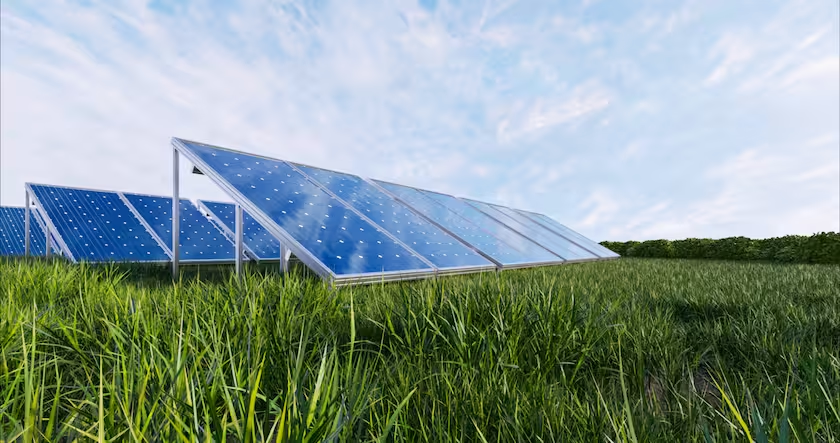
The on-grid inverter plays a central role in system performance. It does more than just convert electricity—it manages the entire energy flow.
Key functions of the inverter include:
- Synchronizing solar output with grid voltage
- Ensuring safe connection to the grid
- Automatically shutting down during power outages for safety
- Monitoring system performance
Modern inverters also include smart monitoring systems, allowing users to track energy production in real time.
Read more about: How to Convert On-Grid to Hybrid: A Complete Guide for Homeowners?
Advantages of On-Grid Solar Systems
On-grid systems are popular for several reasons, especially in residential and commercial applications.
1-Cost-Effective
On-grid systems are more affordable because they do not require batteries, which are typically the most expensive component in solar setups.
2-Efficient Energy Use
All generated electricity is either used immediately or exported to the grid, ensuring minimal energy waste.
3-Reduced Electricity Bills
By generating your own electricity, you significantly reduce your dependence on the grid, leading to lower monthly bills.
4-Eco-Friendly
Solar energy reduces carbon emissions and supports sustainability goals, making it an environmentally responsible choice.
5-Smart Monitoring
Modern systems allow you to monitor energy production, consumption, and system performance through mobile apps.
Disadvantages of On-Grid Solar Systems
While on-grid systems offer many benefits, they also have some limitations that should be considered.
- They do not provide power during grid outages.
- They rely entirely on grid availability.
- No energy storage unless combined with hybrid solutions.
For homeowners who need backup power, a hybrid system may be more suitable.
Read more about: What Are On-Grid and Off-Grid Solar Systems? : Complete Guide
Things to Consider Before Installing an On-Grid Inverter
Before installing a system, several important factors should be evaluated.
Local Grid Availability
A stable grid connection is essential for on-grid systems to function properly.
Net Metering Policy
Understanding local regulations is important, as net metering policies determine how much benefit you get from exporting excess energy.
System Size
System size should match your electricity consumption. Oversizing or under sizing can affect efficiency and return on investment.
Roof Space and Direction
Proper roof orientation ensures maximum sunlight exposure and optimal system performance.
Inverter Brand and Warranty
Choosing a reliable inverter with a strong warranty ensures long-term performance and peace of mind.
The Role of Solar Panels in Energy Generation
Solar panels are the foundation of the system. Their quality and efficiency directly impact how much electricity your system can produce.
High-efficiency panels generate more power in less space, which is especially useful for residential rooftops with limited area.
The Importance of Inverters in On-Grid Systems
The inverter is the brain of the system. Without it, the electricity generated by solar panels cannot be used.
A high-quality inverter ensures:
- Efficient power conversion
- System safety
- Accurate monitoring
- Long-term reliability
Choosing the right inverter is just as important as choosing the right solar panels.
Conclusion
 Conclusion
Understanding how on grid solar system works is essential for anyone considering solar energy as a long-term solution. This system offers a practical balance between independence and reliability by combining solar power generation with grid support. It allows homeowners to reduce electricity costs significantly while maintaining a consistent and uninterrupted power supply.
For most residential and commercial properties in Saudi Arabia, on-grid solar systems provide the best return on investment due to their affordability, efficiency, and ease of maintenance. While they do not offer backup power during outages, their ability to lower electricity bills and maximize solar energy usage makes them a highly attractive option.
If you are thinking about installing a solar system, choosing the right design and components is critical to achieving optimal performance. At Infinity Solar, we specialize in designing and installing high-efficiency on-grid solar systems tailored to your specific energy needs.
Contact Infinity Solar today to learn exactly how on grid solar system works for your property and get a customized solution that maximizes your savings and energy efficiency.
To learn more about Infinity Solar services
FAQs
How on grid solar system works in simple terms?
It generates electricity from solar panels during the day and uses the grid when solar power is not enough.
Does an on-grid solar system work during a power outage?
No, for safety reasons, it shuts down when the grid goes offline.
Is an on-grid solar system suitable for homes in Saudi Arabia?
Yes, it is one of the most cost-effective and efficient solutions due to high sunlight availability.
 English
  Arabic