


Blog : Solar Energy System Guide
How to Convert On-Grid to Hybrid: A Complete Guide for Homeowners

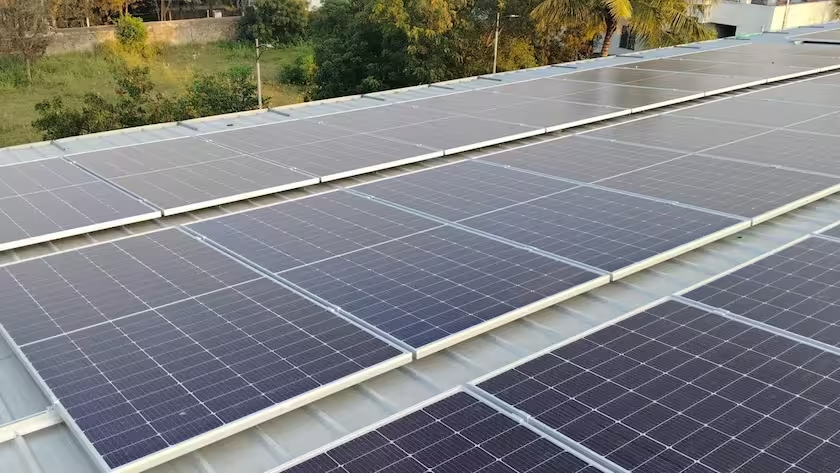
As more homeowners adopt solar energy systems, many start with a simple on-grid setup due to its affordability and ease of installation. However, over time, energy needs evolve especially in regions like Saudi Arabia where electricity demand is high and uninterrupted power is essential. This leads many homeowners to ask: How to Convert On-Grid to Hybrid and whether upgrading their system is worth the investment. Converting to a hybrid system allows you to combine the benefits of solar energy with battery storage, giving you greater control over your electricity usage and improved energy security.
An on-grid system works efficiently during the day, but it relies entirely on the utility grid when solar production is low or unavailable. This means that during power outages or nighttime, your system cannot operate independently. A hybrid system solves this limitation by integrating battery storage, enabling you to store excess solar energy and use it whenever needed. In this guide, we will walk you through everything you need to know about how to convert an on-grid solar system into a hybrid one, including the required components, costs, benefits, and key considerations before making the upgrade.
Table of Contents
What is Grid-Tied Solar Power?
Grid-tied solar power, also known as an on-grid system, is a setup where your solar panels are connected directly to the utility grid. The electricity generated is used to power your home, and any excess energy is sent back to the grid.
This type of system is popular because it is:
- Cost-effective due to the absence of batteries
- Easy to install and maintain
- Efficient for reducing electricity bills
However, it has one major limitation it cannot operate during power outages because it depends on the grid connection.
What is a Hybrid Solar System?
A hybrid solar system combines a grid-tied setup with battery storage. This means you can generate electricity from solar panels, store excess energy in batteries, and still stay connected to the grid.
This setup provides:
- Backup power during outages
- Greater energy independence
- Better control over energy consumption
Hybrid systems are becoming increasingly popular in Saudi Arabia due to the need for reliable power, especially in homes with high energy usage.
To learn more about Infinity Solar services
How On-Grid Solar System Works
Before understanding how to convert a system, it’s important to understand how an on-grid system operates. Solar panels generate electricity during the day, which is converted into usable power through an inverter.
The energy is used immediately to power your home, and any excess is sent to the grid. At night or during low production periods, electricity is drawn from the grid. This simple mechanism makes on-grid systems efficient but dependent on external supply.
 How to Convert On-Grid to Hybrid
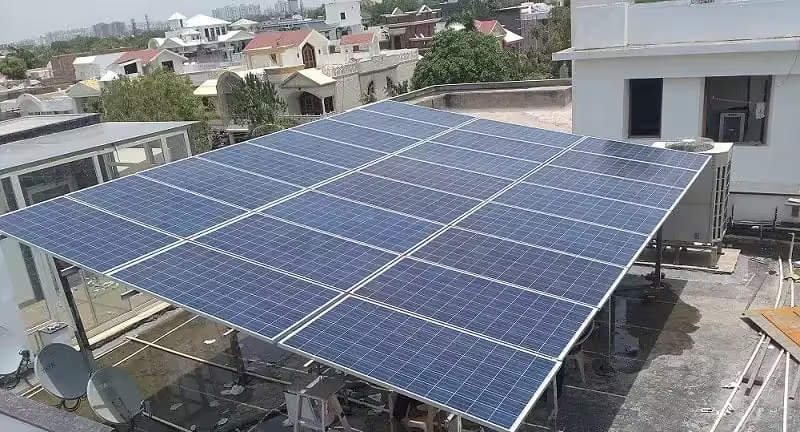 How to Convert On-Grid to Hybrid
Converting an on-grid system to a hybrid setup involves several steps. Each step must be carefully planned to ensure compatibility, safety, and optimal performance.
1-Replace/Add Inverter
The first and most important step is upgrading your inverter.
A standard on-grid inverter cannot manage batteries. Therefore, you need to:
- Replace it with a hybrid inverter
- Or add a battery-ready inverter if compatible
The hybrid inverter will act as the central controller, managing solar energy, battery storage, and grid interaction.
2-Add Battery Storage
Battery storage is what transforms your system into a hybrid one.
Key considerations include:
- Battery capacity based on your energy usage
- Lithium-ion batteries for better performance
- Scalability for future expansion
Adding batteries allows you to store excess solar energy and use it during nighttime or outages.
3-Install Backup Circuit
A backup circuit ensures that critical loads continue to operate during power outages.
These may include:
- Air conditioning (selected units)
- Lighting
- Refrigerators
- Essential appliances
This setup ensures uninterrupted power for essential systems.
4-Maximize Self-Consumption
A hybrid system allows you to use more of your own generated electricity instead of exporting it to the grid.
This can be achieved by:
- Scheduling high-energy usage during solar production hours
- Using smart energy management systems
- Monitoring consumption patterns
Maximizing self-consumption increases savings and efficiency.
Read more about: What is a Hybrid Solar Inverter? A Complete Guide for Homeowners
Advantages of Using a Hybrid On-Grid Inverter
Hybrid systems offer several advantages that make them a smart upgrade.
Energy Independence and Backup Power
One of the biggest benefits is the ability to operate independently during grid outages. This ensures that essential appliances continue working even when the grid fails.
Smart Energy Management
Hybrid systems come with advanced monitoring features that allow you to:
- Track energy usage in real time
- Optimize power consumption
- Reduce energy waste
Future-Proofing with Storage Options
Installing a hybrid system prepares your home for future energy needs. You can easily expand battery capacity as your consumption grows.
Sustainable and Eco-Friendly Energy Use
By storing and using solar energy efficiently, hybrid systems reduce reliance on fossil fuels and support environmental sustainability.
Important Considerations
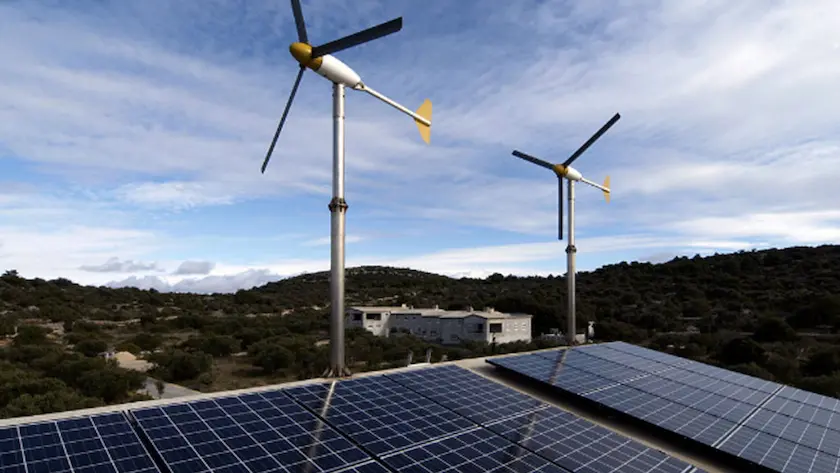 Important Considerations
Before converting your system, several factors must be evaluated.
Cost
Hybrid systems are more expensive than on-grid setups due to:
- Battery costs
- Hybrid inverter price
- Installation complexity
However, they offer long-term savings and energy security.
Installation
Proper installation is critical for:
- System safety
- Efficient performance
- Warranty compliance
Working with experienced professionals ensures the system is correctly configured.
Components
Ensure compatibility between:
- Panels
- Inverter
- Batteries
- Monitoring system
Choosing high-quality components improves system reliability.
Read more about: What Are the Disadvantages of Off-Grid Solar System? Key Limitations Explained
How Much Does a Hybrid Solar System Cost?
The cost of converting to a hybrid system depends on:
- System size
- Battery capacity
- Inverter type
- Installation requirements
In Saudi Arabia, adding a hybrid upgrade can significantly increase the initial investment, but it provides long-term value through energy savings and reliability.
Choosing the Right Inverter for Your Solar System
The inverter is the most critical component in a hybrid system.
Factors to Consider
When selecting a hybrid inverter, consider:
- Power capacity
- Efficiency rating
- Battery compatibility
- Warranty period
A high-quality inverter ensures stable and efficient system performance.
Brands and Technological Trends
Modern hybrid inverters include features such as:
- Smart monitoring apps
- Remote diagnostics
- AI-based energy optimization
Choosing advanced technology enhances system efficiency.
Professional Installation and Warranty Advice
Always work with certified installers who:
- Provide proper system design
- Ensure safe installation
- Offer warranty-backed services
Professional support is essential for long-term performance.
Conclusion
Understanding How to Convert On-Grid to Hybrid is essential for homeowners who want to upgrade their solar systems and gain greater control over their energy usage. While on-grid systems are cost-effective and efficient, they lack backup power and independence. Converting to a hybrid system solves these limitations by adding battery storage and advanced energy management capabilities.
A hybrid system allows you to store excess solar energy, reduce reliance on the grid, and ensure continuous power supply during outages. Although the initial investment is higher, the long-term benefits including energy savings, reliability, and sustainability make it a worthwhile upgrade for many homeowners in Saudi Arabia.
If you are considering converting your solar system, proper planning and professional installation are key to achieving the best results. At Infinity Solar, we specialize in upgrading on-grid systems to hybrid solutions tailored to your energy needs.
Contact Infinity Solar today to explore how to convert your on-grid system to a hybrid setup and enjoy smarter, more reliable solar energy.
To learn more about Infinity Solar services
FAQs
1-What is a hybrid on-grid inverter?
It is an inverter that combines grid connection with battery storage, allowing both energy export and storage.
2-Can a hybrid inverter feed in the grid?
Yes, it can send excess solar energy back to the grid when production exceeds consumption.
3-Can a hybrid inverter work off the grid?
Yes, with sufficient battery storage, it can operate independently.
4-What is the disadvantage of a hybrid inverter?
The main disadvantage is higher upfront cost compared to standard inverters.
5-Which is better, a hybrid or an off-grid inverter?
It depends on your needs hybrid offers flexibility, while off-grid provides full independence.
6-What is the lifespan of a hybrid inverter?
Typically, hybrid inverters last between 10–15 years depending on usage and quality.
 English
  Arabic