


Blog : Solar Energy System Guide
What Are the Disadvantages of Off-Grid Solar System? Key Limitations Explained

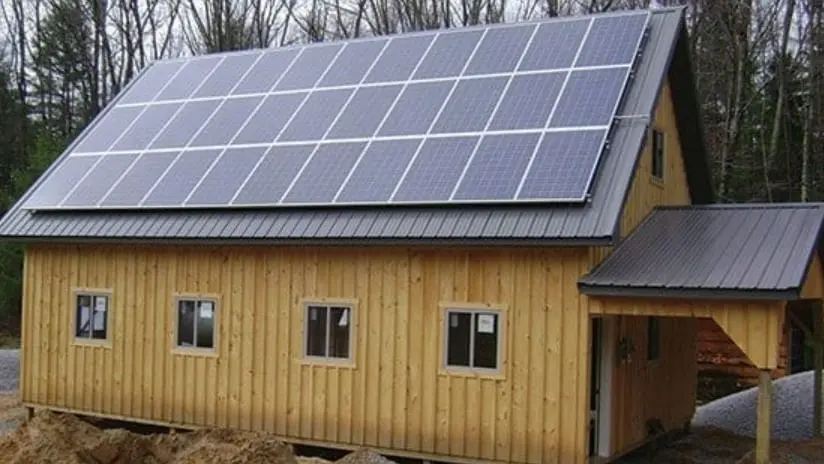
As solar energy becomes more popular, many homeowners start exploring different system types to reduce electricity costs and gain energy independence. One of the most attractive options is the off-grid solar system, which allows you to generate and use your own electricity without relying on the utility grid. However, before making such a decision, it is essential to ask what are the disadvantages of off-grid solar system and whether it truly fits your lifestyle and energy needs.
While off-grid systems offer complete independence and long-term savings potential, they also come with several challenges that are often underestimated. Unlike on-grid systems, off-grid setups require careful planning, higher upfront investment, and continuous energy management. This makes them ideal for remote areas, but less practical for homes connected to a stable electricity grid.
In this guide, we will explore in detail what are the disadvantages of off-grid solar system, along with their advantages, system components, and whether this solution is the right choice for your home in Saudi Arabia.
Table of Contents
What is an Off Grid Solar System?
Before understanding what are the disadvantages of off-grid solar system, it is important to know how this system works. An off-grid solar system is a completely independent energy setup that operates without any connection to the utility grid, relying entirely on solar power and stored energy.
This system typically includes:
- Solar panels to generate electricity
- Battery storage to store excess energy
- Inverter to convert DC to AC power
- Charge controller to regulate battery charging
- Backup generator for emergencies
Because there is no grid support, the system must be carefully designed to meet all energy needs at all times.
To learn more about Infinity Solar services
The Advantages of an Off Grid Solar System
Before diving deeper into what are the disadvantages of off-grid solar system, it’s useful to understand why some homeowners still prefer this option. Off-grid systems offer unique benefits, especially in areas where grid access is limited or unreliable.
100% Green Energy
Off-grid systems rely entirely on renewable energy sources, which significantly reduces dependence on fossil fuels. This makes them an environmentally friendly option for homeowners looking to lower their carbon footprint.
Free from Rising Energy Bills
Since you are not connected to the grid, you are not affected by increasing electricity tariffs. This gives you long-term cost stability and protection from price fluctuations.
More Energy Savings
Over time, eliminating monthly electricity bills can lead to significant savings, particularly for households with high energy consumption. However, these savings must be balanced against initial investment costs.
No DNO Application Required
Off-grid systems do not require approvals from utility providers, making installation simpler and faster in remote locations where grid connection is unavailable.
 The Disadvantages of an Off Grid Solar System
 The Disadvantages of an Off Grid Solar System
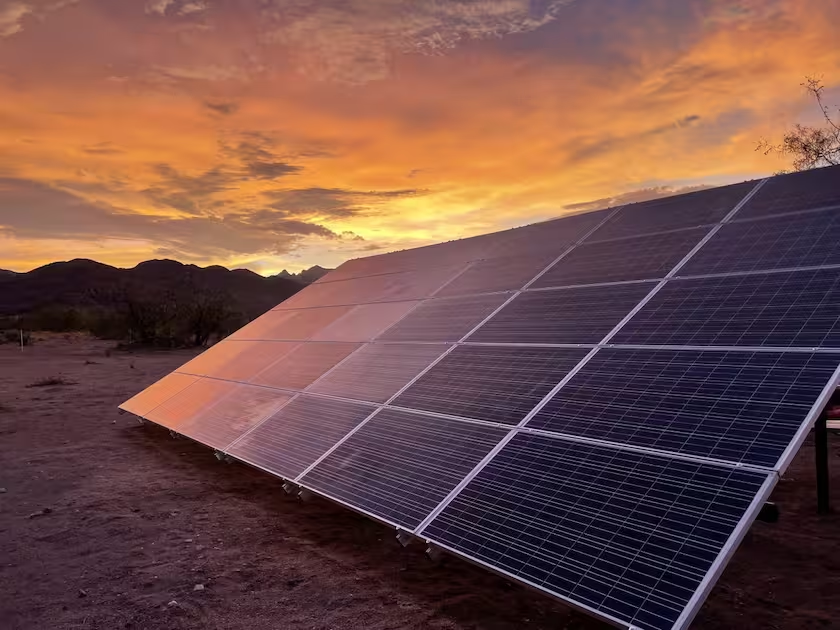
Now let’s focus on the main topic: what are the disadvantages of off-grid solar system. While these systems provide independence, they also introduce several technical and financial challenges that homeowners must carefully evaluate before investing.
High Initial Costs
One of the biggest disadvantages is the high upfront cost compared to grid-tied systems. Because off-grid systems must operate independently, they require additional components and larger system sizing.
This includes:
- Battery storage systems
- Advanced hybrid or off-grid inverters
- Backup generators
- More complex installation
As a result, the total system cost can be significantly higher than a standard on-grid solar system.
Battery Storage Limitations & Cost
Batteries are the core of any off-grid system, but they also represent one of its biggest limitations. Energy storage capacity is finite, which means your electricity supply depends on how much energy you can store.
Key challenges include:
- Limited storage capacity
- High replacement cost
- Performance degradation over time
Most batteries need replacement every 5–15 years, which adds ongoing costs and impacts long-term savings.
Read more about: How Much Solar Needed to Run AC? A Complete Homeowner’s Guide?
Risk of Power Shortage
Another major concern when evaluating what are the disadvantages of off-grid solar system is the risk of running out of electricity. Since there is no grid backup, your entire power supply depends on solar generation and stored energy.
This can happen due to:
- Extended cloudy weather
- Increased energy consumption
- Poor system design or under sizing
Without proper planning, homeowners may experience temporary power shortages.
Need for Backup Generator
To reduce the risk of outages, most off-grid systems include a backup generator. While this improves reliability, it introduces additional drawbacks.
These include:
- Extra installation cost
- Ongoing fuel dependency
- Additional maintenance
This also reduces the system’s reliance on purely renewable energy.
Strict Energy Management
Off-grid systems require a higher level of energy awareness compared to on-grid systems. Homeowners must actively manage how and when electricity is used.
This means you need to:
- Track daily energy consumption
- Avoid overloading the system
- Adjust usage based on battery levels
For many users, this level of control can be inconvenient and require lifestyle adjustments.
Higher Maintenance Requirements
Compared to grid-tied systems, off-grid setups require more frequent maintenance due to the additional components involved. Proper upkeep is essential to ensure system safety and reliability.
Maintenance tasks include:
- Battery monitoring and care
- System inspections
- Generator maintenance
Neglecting maintenance can lead to reduced performance and system failures.
High Space Requirements
Off-grid systems often require more installation space because they need larger solar arrays and battery storage systems to operate independently.
This typically includes:
- More solar panels
- Dedicated battery storage space
- Additional system components
This can be a limitation for homes with small rooftops or limited installation areas.
Read more about: Which Is Better Off-Grid or On Grid Solar System? A Complete Guide for Homeowners
Installing an Off Grid Solar System
Installing an off-grid system is more complex than installing an on-grid system, as it requires precise planning and accurate system sizing. Any miscalculation can lead to energy shortages or unnecessary expenses.
Key considerations include:
- Daily energy consumption
- Battery storage capacity
- Solar panel efficiency
- Backup system integration
A professional system design is essential to ensure long-term performance and reliability.
Is Off-Grid Right for You?
After understanding what are the disadvantages of off-grid solar system, the next step is to evaluate whether this system matches your needs and lifestyle. Off-grid is not a one-size-fits-all solution.
It Might Be Right for You If:
- You live in a remote area without grid access
- You want complete energy independence
- You are willing to invest in a higher upfront cost
- You are comfortable managing your energy usage
It Might Not Be Right If:
- You have access to a reliable electricity grid
- You prefer low-maintenance solutions
- You want lower upfront investment
- You do not want to actively monitor energy consumption
Choosing the Right System for Peace of Mind
 Choosing the Right System for Peace of Mind
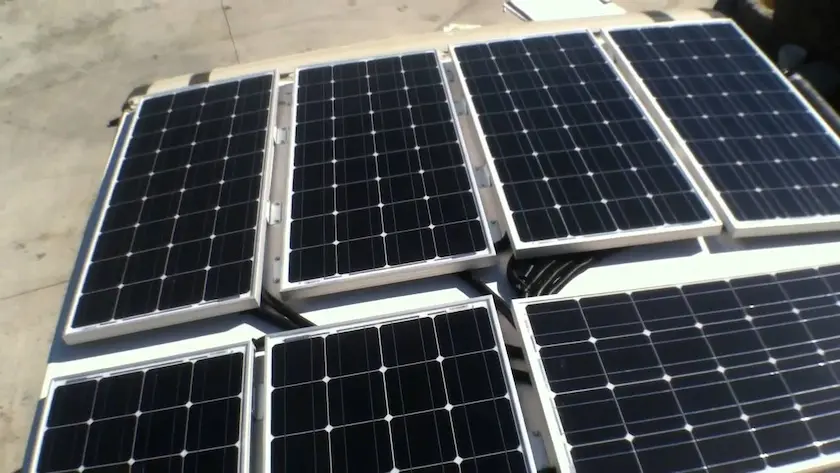
When evaluating what are the disadvantages of off-grid solar system, it becomes clear that while the system offers independence, it also requires careful planning and commitment. It is best suited for specific use cases rather than general residential applications.
For many homeowners in Saudi Arabia, hybrid or grid-tied systems offer a better balance between cost, reliability, and convenience. These systems allow you to benefit from solar energy while still having grid support when needed.
Conclusion
Understanding what are the disadvantages of off-grid solar system is essential before deciding to go fully independent with solar energy. While these systems offer complete energy freedom and long-term savings potential, they also come with significant challenges such as high upfront costs, battery limitations, strict energy management, and the need for backup systems.
For homeowners in Saudi Arabia, where grid access is generally stable, off-grid systems are typically best suited for remote locations or special cases where independence is required. For most residential applications, hybrid or on-grid systems provide a more balanced and practical solution.
If you are considering installing a solar system, it is important to evaluate your energy needs carefully and choose the option that delivers the best long-term value. At Infinity Solar, we help homeowners design customized solar solutions tailored to their lifestyle and budget.
Contact Infinity Solar today to explore the best solar solution for your home and make a smart, future-proof investment in clean energy.
To learn more about Infinity Solar services
FAQs
1. What are the disadvantages of off-grid solar system compared to on-grid?
Higher upfront cost, battery dependency, risk of power shortage, and increased maintenance requirements.
2. Do off-grid solar systems require a lot of maintenance?
Yes, especially due to batteries and backup generators that require regular monitoring and servicing.
3. Is off-grid solar suitable for homes in cities?
In most cases, no. Grid-tied or hybrid systems are more practical and cost-effective in urban areas.
 English
  Arabic