


Blog : Solar Energy System Guide
Which Is Better Off-Grid or On Grid Solar System? A Complete Guide for Homeowners

As solar energy adoption continues to grow across Saudi Arabia, homeowners and businesses are increasingly exploring different system types to reduce electricity costs and improve energy reliability. One of the most common questions people ask before investing in solar is: which is better off-grid or on grid solar system? The answer is not always straightforward, as each system has its own advantages, limitations, and ideal use cases depending on your location, budget, and energy needs.
Choosing between on-grid and off-grid solar systems requires a clear understanding of how each system works and what it offers. While on-grid systems are widely known for their affordability and efficiency, off-grid systems provide complete independence from the utility grid. In regions with stable infrastructure, on-grid systems may be the preferred choice, while remote locations may benefit more from off-grid solutions. This guide will walk you through the differences, benefits, and drawbacks of both systems, helping you determine which option is best suited for your home or business in Saudi Arabia.
Table of Contents
What Are the Differences Between On-Grid and Off-Grid Solar Systems?
To answer the question which is better off-grid or on grid solar system, you first need to understand the fundamental differences between these two systems. Each one operates differently and serves a specific purpose depending on the user’s requirements.
Ability to Access Grid Power
On-grid systems are connected directly to the utility grid, allowing users to draw electricity when solar production is insufficient. This ensures a constant and reliable energy supply without interruptions.
In contrast, off-grid systems operate completely independently from the grid. All electricity must be generated and stored on-site, which makes them suitable for remote areas but requires careful energy planning.
Excess Production
In an on-grid system, any excess electricity generated during the day can be sent back to the grid through net metering, which may provide financial credits depending on local policies.
Off-grid systems, however, cannot export electricity. Excess energy must either be stored in batteries or wasted if storage capacity is full, making system design more critical.
Power Outages
On-grid systems automatically shut down during power outages for safety reasons, meaning they do not provide backup power unless combined with battery storage.
Off-grid systems, on the other hand, continue to operate independently, providing electricity even when there is no grid supply.
Electric Bills
On-grid systems help reduce electricity bills by offsetting grid consumption, but users may still receive a bill depending on usage and net metering policies.
Off-grid systems eliminate electricity bills entirely since they do not rely on the utility grid.
Overall Cost
On-grid systems are generally more affordable because they do not require batteries. Off-grid systems involve higher costs due to battery storage, backup generators, and more complex system design.
To learn more about Infinity Solar services
What Is an On-Grid Solar System?
An on-grid solar system is the most common type of solar installation used in residential and commercial settings. It works in coordination with the utility grid to provide electricity efficiently and cost-effectively.
How It Works
Solar panels generate electricity during the day, which is converted into usable power through an inverter. This electricity is used immediately to power your home, reducing reliance on the grid.
If the system produces more energy than needed, the excess is sent back to the grid. At night or during low production periods, electricity is drawn from the grid.
Main Components
An on-grid solar system includes:
- Solar panels
- Grid-tied inverter
- Utility meter
- Mounting structure
- Grid connection
Each component works together to ensure seamless energy generation and distribution.
Read more about: Do Solar Panels Work at Night? Everything You Need to Know?
What Is an Off-Grid Solar System?
An off-grid solar system is a fully independent setup that operates without any connection to the utility grid. It is designed to provide complete energy autonomy.
How It Works
Solar panels generate electricity, which is stored in batteries for later use. The system supplies power directly from the panels during the day and from batteries at night.
A backup generator is often included to provide additional power during extended periods of low sunlight.
Main Components
An off-grid system typically includes:
- Solar panels
- Off-grid inverter
- Battery storage system
- Charge controller
- Backup generator
This setup ensures a continuous power supply without relying on external sources.
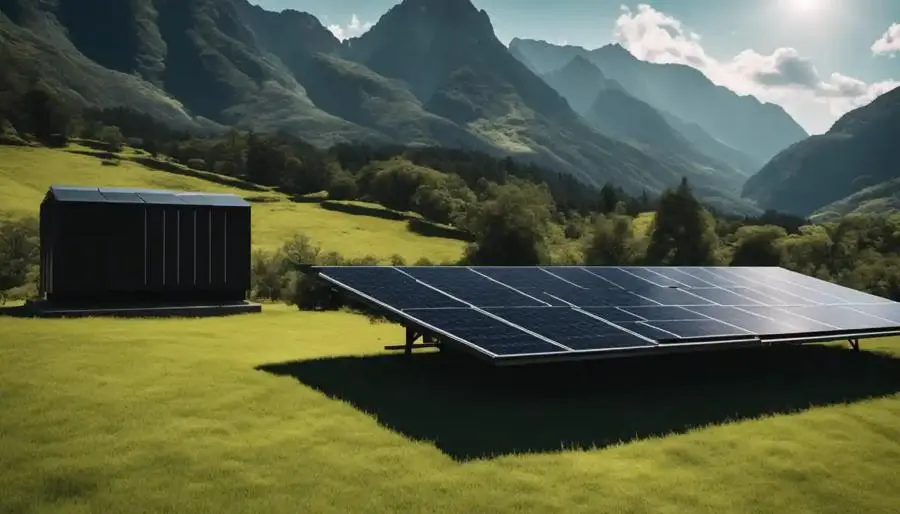
 The Advantages of an Off Grid Solar System
 The Advantages of an Off Grid Solar System
Off-grid systems offer several benefits, particularly for users who prioritize independence and sustainability.
100% Green Energy
Off-grid systems rely entirely on renewable energy, reducing carbon footprint and supporting environmental goals.
Free from Rising Energy Bills
Since there is no connection to the utility grid, users are not affected by increasing electricity tariffs.
More Energy Savings
Over time, the system can lead to significant savings by eliminating monthly utility costs.
No DNO Application Required
Off-grid systems do not require approval from utility providers, simplifying the installation process in remote areas.
Read more about: How to Design Off-Grid Solar System: Complete Practical Guide?
The Disadvantages of an Off Grid Solar System
While off-grid systems offer independence, they also come with several challenges.
High Initial Costs
The need for batteries, backup generators, and advanced system design increases upfront costs significantly.
Battery Storage Limitations & Cost
Batteries have limited storage capacity and require replacement over time, adding to long-term expenses.
Risk of Power Shortage
If the system is not properly sized, users may experience power shortages during cloudy days or high consumption periods.
Need for Backup Generator
Generators are often required to ensure reliability, especially in low sunlight conditions.
Strict Energy Management
Users must carefully monitor energy consumption to avoid running out of stored power.
Maintenance Requirements
Off-grid systems require more maintenance due to battery management and additional components.
High Space Requirements
Larger systems and battery storage require more installation space, which may not be suitable for all properties.
Installing an Off Grid Solar System
 Installing an Off Grid Solar System
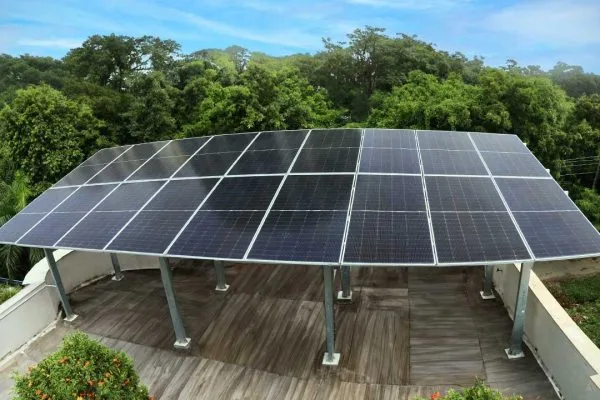
Installing an off-grid system requires careful planning and professional expertise. Factors such as load calculation, battery sizing, and backup integration must be accurately determined to ensure reliability.
Is Off-Grid Right for You?
Choosing an off-grid system depends on your specific needs and circumstances.
It Might Be Right for You If:
- You live in a remote area without grid access
- You want complete energy independence
- You are prepared for higher upfront costs
It Might Not Be Right If:
- You have access to a stable grid
- You prefer lower initial investment
- You do not want to manage energy usage strictly
Choosing the Right System for Peace of Mind
Selecting the right solar system requires balancing cost, reliability, and long-term goals. A well-designed system ensures consistent performance and reduces unexpected issues.
What Should You Consider When Choosing Your System?
Several factors influence your decision when choosing between on-grid and off-grid systems.
Location and Grid Access
Urban areas with stable grid infrastructure are better suited for on-grid systems, while remote locations benefit from off-grid solutions.
Energy Security and Reliability
If uninterrupted power is critical, a hybrid or off-grid system may be more suitable.
Budget
On-grid systems require lower investment, while off-grid systems involve higher costs but offer independence.
Local Policies and Electricity Tariffs
Understanding regulations and electricity pricing helps determine the financial benefits of each system.
Choosing the Right Solar System: Factors to Consider
When deciding which is better off-grid or on grid solar system, consider both short-term affordability and long-term performance.
Advantages of On-Grid Solar Systems
On-grid systems remain the most popular choice due to their practicality.
Lower Upfront Cost
No batteries are required, making installation more affordable.
Net Metering Savings
Excess energy can be credited, reducing electricity bills further.
Always Connected (No Blackouts Risk)
Access to the grid ensures continuous electricity supply.
Easier Installation & Maintenance
Simpler system design reduces maintenance requirements and installation complexity.
Advantages of Off-Grid Solar Systems
Off-grid systems offer unique benefits for specific use cases.
100% Energy Independence
Users are completely independent from the utility grid.
No Electricity Bills
All electricity is generated on-site, eliminating monthly bills.
Ideal for Remote Areas
Perfect for locations without grid access.
Perfect in Saudi Arabia
With high solar exposure, off-grid systems can perform efficiently when properly designed.
Which Is Better: On-Grid or Off-Grid?
The answer to which is better off-grid or on grid solar system depends on your situation.
If You Live in a City
On-grid systems are usually the best choice due to lower cost and grid reliability.
If You Live in a Remote Area
Off-grid systems provide the only viable solution for consistent power supply.
If You Want the Best of Both
A hybrid system combines the benefits of both options, offering flexibility and backup power.
Benefits of On-Grid or Grid-Tie Solar
On-grid systems provide a balanced approach, offering cost savings, reliability, and ease of use. They are ideal for most residential applications where grid access is available
Conclusion
Choosing which is better off-grid or on grid solar system ultimately depends on your location, energy needs, and budget. On-grid systems are ideal for most homeowners in Saudi Arabia due to their affordability, efficiency, and ease of maintenance. They allow users to reduce electricity bills while maintaining a reliable connection to the utility grid.
Off-grid systems, on the other hand, provide complete independence and are best suited for remote locations or users who prioritize self-sufficiency. However, they come with higher costs and require careful energy management. For those seeking a balance between independence and reliability, hybrid systems offer the best of both worlds.
If you are planning to invest in solar energy, choosing the right system is crucial to achieving long-term savings and performance. At Infinity Solar, we specialize in designing customized solar solutions tailored to your specific needs.
Contact Infinity Solar today to find out which solar system is best for your property and start your journey toward efficient and sustainable energy.
To learn more about Infinity Solar services
FAQ
What is net metering, and how does it work with on-grid solar?
It allows excess solar energy to be sent to the grid in exchange for credits on your electricity bill.
How long do solar batteries last in an off-grid system?
Most batteries last between 5–15 years depending on usage and quality.
Is off-grid solar always more expensive than on-grid?
Yes, due to the need for batteries and backup systems.
What kind of maintenance do solar systems require?
Maintenance includes cleaning, inspections, and monitoring system performance.
 English
  Arabic