

Blog : Solar Energy System Guide
Which Solar System Is Best for Home? A Complete Guide for Homeowners

Table of Contents
Introduction
If you are considering switching to solar energy, one question is likely at the top of your mind: which solar system is best for home? With rising electricity bills, increasing awareness about sustainability, and strong government support for renewable energy in Saudi Arabia, more homeowners are turning to residential solar systems as a long-term investment. But choosing the right system is not as simple as picking the most expensive panels or the most powerful inverter. The ideal solar system depends on your home’s energy usage, roof space, climate conditions, and long-term goals.
In this comprehensive guide, we will walk you through everything you need to know to confidently decide which solar system is best for home use. We’ll explore different system types, panel technologies, inverter options, cost considerations, and performance factors. Whether you live in a villa, townhouse, or residential compound in Saudi Arabia, this guide will help you make an informed and smart decision – one that saves you money and maximizes your energy efficiency for years to come.
Why More Homeowners in Saudi Arabia Are Switching to Solar Energy
Saudi Arabia is one of the most suitable countries in the world for solar energy. With abundant sunlight throughout the year, residential solar systems perform exceptionally well.
Here’s why homeowners are increasingly investing in solar:
High Solar Irradiance
The Kingdom enjoys long sunny days, which means higher solar panel productivity compared to many other countries.
Rising Electricity Costs
Utility tariffs have increased over the years. Installing a home solar system significantly reduces monthly electricity bills.
Long-Term Investment Value
A properly installed solar system for house use can provide returns for 20–25 years.
Environmental Responsibility
Supporting renewable energy aligns with Saudi Vision 2030 and national sustainability goals.
Energy Independence
With hybrid or off-grid systems, homeowners gain more control over their electricity supply.
Now, let’s understand what a home solar system actually includes.
 What Is a Solar System for Home?
 What Is a Solar System for Home?
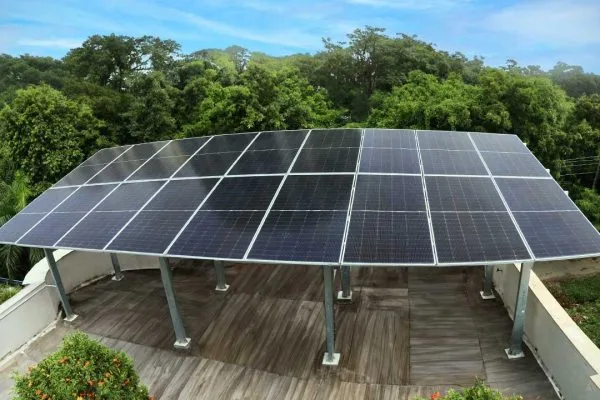
A solar system for home is a setup that converts sunlight into usable electricity for residential properties. It typically consists of:
- Solar panels (to capture sunlight)
- Solar inverter (to convert DC to AC power)
- Mounting structure
- Electrical wiring and protection systems
- Optional battery storage (for hybrid or off-grid systems)
The system size is usually measured in kilowatts (kW), such as a 3 kW, 4 kW, or 5 kW solar system.
To learn more about Infinity Solar services
Types of Home Solar Systems
Choosing which solar system is best for home starts with understanding the three main system types.
1. Grid-Tied Systems (On-Grid)
This is the most common residential solar system.
How it works:
The system is connected to the utility grid. During the day, solar panels power your home. If more electricity is needed, it is drawn from the grid.
Advantages:
- Lower installation cost
- No need for batteries
- High efficiency
- Ideal for urban homes
Best for:
Homeowners looking to reduce electricity bills without full independence.
2. Off-Grid Systems
An off-grid solar system operates independently from the utility grid.
Key features:
- Requires battery storage
- Stores energy for nighttime use
- Suitable for remote areas
Advantages:
- Complete energy independence
- Ideal for farms or remote villas
Considerations:
- Higher upfront cost
- Requires proper battery sizing
3.Hybrid System
Hybrid solar systems combine grid connection with battery storage.
Benefits include:
- Backup power during outages
- Smart energy management
- Maximum flexibility
Best for:
Homeowners who want energy security and reduced bills.
How to Choose the Right Solar System for Your Home
 How to Choose the Right Solar System for Your Home
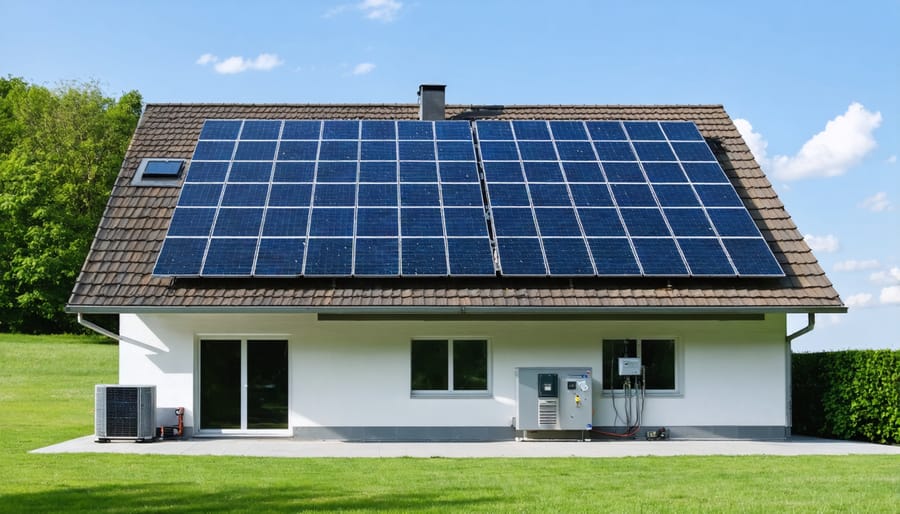
When deciding which solar system is best for home, consider the following steps:
1. Assess Your Monthly Electricity Bill
Review your last 6–12 months of electricity consumption.
- How many kWh do you use monthly?
- Do you have high AC usage?
- Is consumption stable year-round?
This determines whether you need a 3 kW, 4 kW, or larger system.
2.Check Rooftop Availability
Solar panels require sufficient roof space.
- South-facing roofs perform best.
- Shade reduces efficiency.
- Villas often have ideal installation space.
3.Choose Between On-Grid, Hybrid, or Off-Grid
Ask yourself:
- Do you experience power outages?
- Do you want backup power?
- Are you in a remote location?
4.Panel Type & Efficiency
Higher efficiency panels produce more electricity per square meter.
Efficiency matters especially when:
- Roof space is limited
- You want maximum output
5.Get Quotes from Trusted Vendors
Choosing a reliable installer is critical.
Look for:
- Warranty coverage
- Certified engineers
- After-sales service
- Experience in residential solar systems
Read more about: what is the maximum voltage in solar panel?
What Makes the Best Solar System for Home? Key Factors to Consider
To truly answer which solar system is best for home, evaluate these factors:
- Panel Efficiency
- Temperature Coefficient
- Durability
- Warranty (20–25 years typical)
- Inverter Quality
- Professional Installation
A high-quality inverter and expert installation often matter more than slight panel efficiency differences.
Understanding Solar Panel Efficiency and Performance
Solar panel efficiency refers to how much sunlight is converted into usable electricity.
For example:
- 20% efficiency means 20% of sunlight becomes power.
In Saudi Arabia’s warm climate, temperature performance matters.
Panels should have:
- Low temperature coefficient
- High durability rating
- Strong resistance to dust and heat
Choosing the Right Solar Panel Type
Monocrystalline Panels
- Highest efficiency (18–22%)
- Sleek black appearance
- Best for limited roof space
- Excellent performance in high temperatures
Recommended for most villas in Saudi Arabia.
Polycrystalline Panels
- Slightly lower efficiency
- More affordable
- Suitable for larger roofs
Thin-Film Panels
- Lightweight
- Lower efficiency
- Rare in residential applications
Top Residential Solar System Recommendations
Choosing the right residential solar system depends on your home’s energy needs, budget, and long-term goals. With many options available, it’s important to compare systems based on performance, efficiency, durability, and value. Below, we’ve simplified the process by breaking down the top residential solar system recommendations by category to help you make a confident decision. Here’s a breakdown by category:
Read more about: Do solar panels work at night?
Best Overall Panel Efficiency
- Premium monocrystalline panels
- High output per square meter
- Ideal for villas with limited space
Best Performance for Price
- Tier-1 polycrystalline or mid-range mono panels
- Strong ROI
- Balanced performance
Best for High Power Output
- 500W+ high-capacity panels
- Fewer panels needed
- Clean installation look
Best for Warm Climates
- Panels with low temperature coefficient
- Heat-resistant design
- Dust-resistant glass coating
Best Solar Inverters
The inverter is the brain of your solar system.
Enphase
- Microinverter technology
- Panel-level monitoring
- Excellent reliability
SolarEdge
- Power optimizers
- High system efficiency
- Smart energy monitoring
Both are excellent choices for residential solar systems.
Compare the Best Solar Panels
When comparing solar panels, consider:
- Efficiency percentage
- Warranty length
- Degradation rate
- Temperature performance
- Brand reputation
Avoid choosing solely based on price.
Why Choosing the Right Installer Matters More Than Choosing the Best Solar Panel
Many homeowners focus too much on panel brands. However:
- Poor installation reduces performance.
- Incorrect wiring can cause system failure.
- Lack of maintenance support affects lifespan.
A professional installer ensures:
- Correct system sizing
- Safe electrical integration
- Long-term maintenance support
- Compliance with Saudi standards
In reality, the best solar system for home is one that is properly designed and installed by experienced professionals.
To learn more about Infinity Solar services
Conclusion: So, Which Solar System Is Best for Home?
Choosing which solar system is best for home is not about picking the most expensive option — it’s about selecting the right system for your energy needs, property size, and future goals. For most homeowners in Saudi Arabia, a grid-tied or hybrid system with high-efficiency monocrystalline panels and a reliable inverter offers the best balance between cost, performance, and long-term savings.
Solar energy is not just a way to reduce electricity bills. It is a smart investment that increases property value, enhances energy independence, and supports national sustainability efforts. With the right system design, your home can benefit from clean, reliable power for decades.
If you’re ready to discover the ideal solar solution for your property, our team at Infinity Solar is here to help. We provide customized residential solar system design, professional installation, and long-term maintenance services across Saudi Arabia.
Contact us today for a free consultation and find out which solar system is best for home use tailored specifically for you.
FAQ
What is the average cost of a 4 kW solar system for home?
In Saudi Arabia, a 4 kW solar system typically ranges between SAR 18,000 – SAR 28,000 depending on panel quality, inverter type, and installation complexity.
What is the lifespan of a solar system installed at home?
Most systems last 25 years or more. Inverters may require replacement after 10–12 years.
Can I run ACs and refrigerators on a 3–4 kW solar system?
Yes, but capacity depends on total load. A properly designed 4 kW system can support:
- 1–2 AC units
- Refrigerator
- Lighting
- Basic appliances
Proper load calculation is essential
 English
  Arabic