


Blog : Solar Energy System Guide
How to Design Off-Grid Solar System: Complete Practical Guide

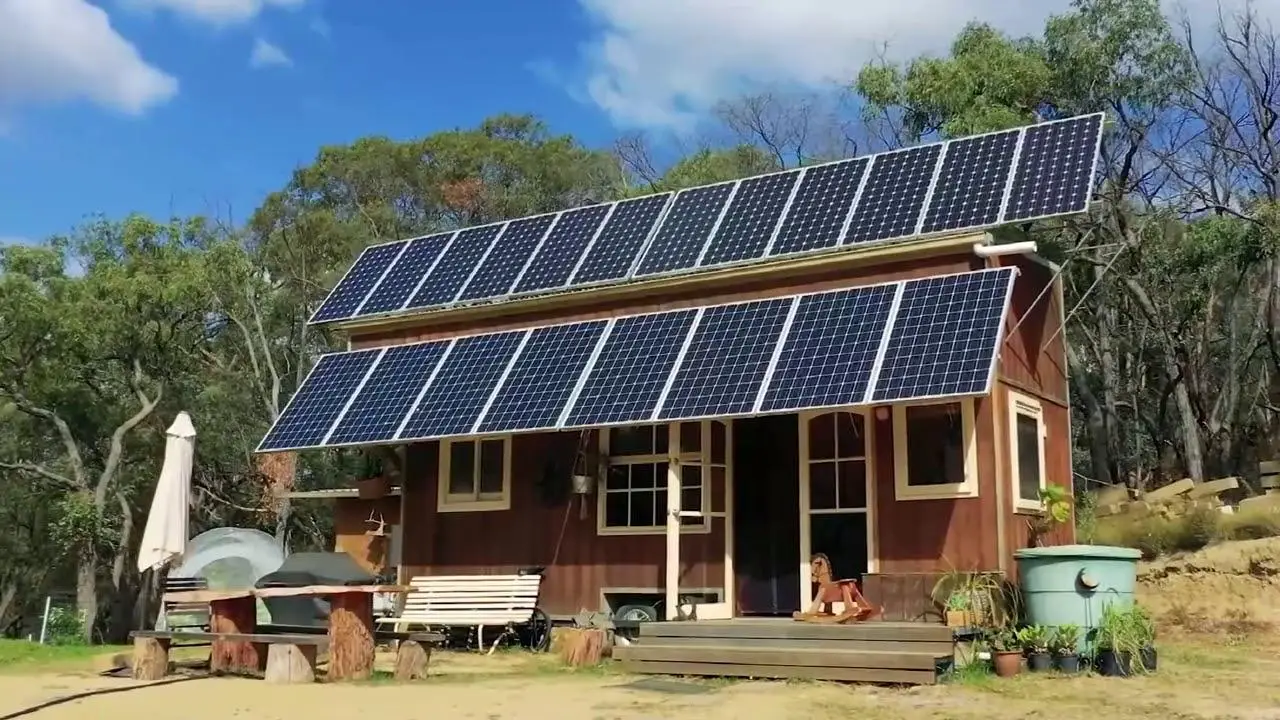
Learning how to design off grid solar system correctly is essential for anyone seeking full energy independence, especially in remote locations or areas with unreliable grid access. Unlike grid-connected systems, off-grid solar systems must generate, store, and manage all required electricity without external support. This makes proper design critical for system reliability, safety, and long-term performance.
An off-grid solar system that is poorly designed can lead to frequent power shortages, battery damage, high maintenance costs, and premature system failure. On the other hand, a well-designed system provides stable electricity, predictable performance, and peace of mind for many years. Designing such a system requires a structured approach that considers energy consumption, component selection, environmental conditions, and future needs.
This guide explains how to design off grid solar system step by step, covering all essential components, cost considerations, system sizing, and maintenance best practices. Whether you are powering a remote home, farm, commercial site, or backup facility, this article provides the practical knowledge needed to design a reliable and efficient off-grid solar solution.
Table of Contents
When to Choose an Off-Grid Solar System
An off-grid solar system is the ideal solution when access to the utility grid is limited, unreliable, or economically impractical. It is commonly chosen for locations where grid connection costs are high or where energy independence is a priority.
You should consider an off-grid solar system if:
- Your property is located in a remote or rural area
- Grid electricity is unstable or unavailable
- You require continuous power without reliance on utilities
- You want complete control over energy production and consumption
Off-grid systems are widely used for remote homes, farms, desert facilities, telecom stations, and critical infrastructure. While they require higher upfront planning and investment, they provide long-term reliability and independence.
To learn more about Infinity Solar services
Components of an Off-Grid Solar System
An off-grid solar system consists of several interconnected components that work together to generate, store, and distribute electricity efficiently.
Solar Panels
Solar panels are responsible for converting sunlight into electrical energy. Choosing the right panels is essential for system efficiency and long-term performance.
Key panel considerations include:
Dimensions:
Panel size must match available installation space, whether on rooftops or ground-mounted structures.
Efficiency:
Higher-efficiency panels generate more electricity per square meter, which is crucial when space is limited.
Wattage:
Panel wattage determines how much power each panel can produce under standard conditions.
Cost per Watt:
Evaluating cost per watt helps compare value across different panel options.
Warranty:
Quality panels typically include performance warranties of 20–25 years.
Weight:
Panel weight is important for rooftop installations and structural safety.
Batteries
Batteries store solar energy for use during nighttime or cloudy periods. Battery selection has a major impact on system cost, reliability, and lifespan.
Flooded Lead Acid Batteries
These are affordable and widely available but require regular maintenance, ventilation, and careful monitoring.
Sealed Lead Acid Batteries
Maintenance-free and safer for indoor use, though they typically have lower depth of discharge and shorter lifespan.
Lithium-Ion Batteries
Highly efficient, long-lasting, lightweight, and capable of deeper discharge. They are ideal for modern off-grid systems despite higher upfront cost.
Read more about : What Is a Solar Power System
How Much Does an Off-Grid Solar System Cost?
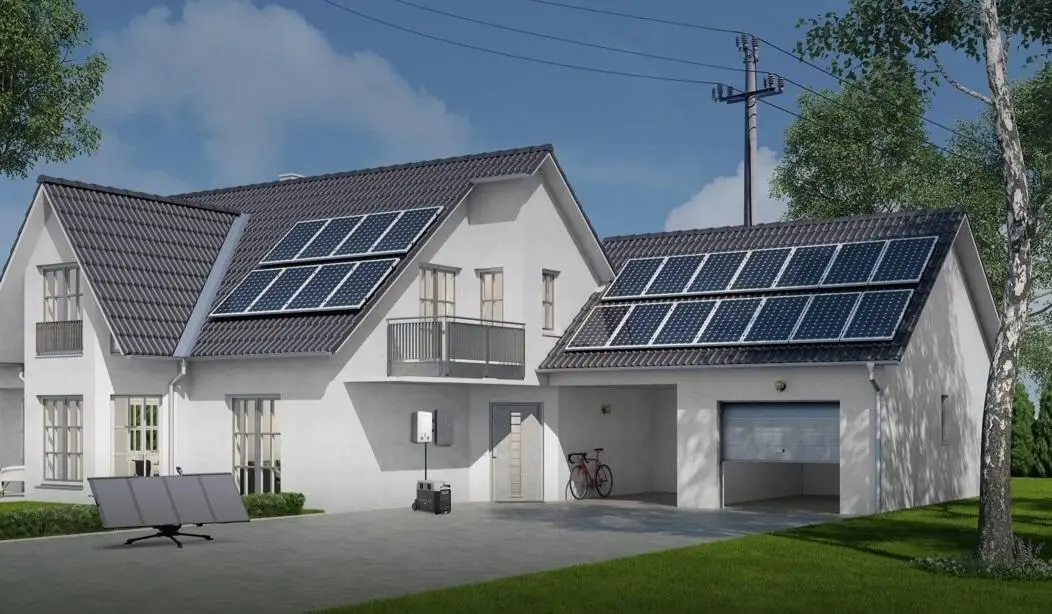 The cost of an off-grid solar system varies depending on size, component quality, and energy requirements. Small systems may start around $6,000–$10,000, while larger residential or commercial systems can exceed $20,000–$40,000.
Major cost contributors include:
- Solar panels
- Battery storage
- Inverters and charge controllers
- Installation and mounting structures
Although upfront costs are higher than on-grid systems, off-grid solar eliminates electricity bills and provides long-term value in remote locations.
How to Design Off-Grid Solar System: Basic Steps
Designing an off-grid system requires a step-by-step process to ensure accuracy and reliability.
Step 1 – Load Estimation
Load estimation involves calculating the total daily energy consumption of all electrical devices. This includes lighting, appliances, equipment, and seasonal loads.
Accurate load estimation prevents undersizing and ensures sufficient energy availability.
Step 2 – Determine Battery Capacity
Battery capacity is calculated based on daily energy usage and the number of backup days required. Off-grid systems typically require 2–3 days of autonomy to ensure reliability.
Proper battery sizing protects system performance and battery lifespan.
Step 3 – Determine Solar Array Capacity
Solar array size is determined by dividing daily energy demand by peak sun hours and accounting for system losses. This ensures batteries are fully charged under normal conditions.
Step 4 – Choose the Appropriate Inverter
The inverter must handle peak loads and convert DC power into AC efficiently. Incorrect inverter sizing can limit performance or cause system failures.
Step 5 – Choosing a Backup Generator
A backup generator provides additional security during extended cloudy periods. It protects batteries from deep discharge and ensures uninterrupted power.
Read more about : How to Calculate Battery Capacity for Solar System
How to Design a Hybrid or Off-Grid Solar System
Designing a hybrid or off-grid solar system requires a balanced approach that combines reliability, flexibility, and long-term performance. Hybrid systems integrate off-grid functionality with additional support from the utility grid or a backup generator, allowing users to maintain power availability under a wide range of conditions. This design approach ensures that critical loads remain powered even during extended periods of low sunlight or unexpected increases in energy demand.
Hybrid systems offer greater flexibility by intelligently managing multiple power sources. During peak sunlight hours, solar panels generate electricity to power loads and charge batteries. When solar production is insufficient, stored battery energy or grid power can automatically take over. This layered design improves energy security, reduces dependence on a single source, and enhances overall system redundancy. Hybrid systems are particularly suitable for users who want backup power while still benefiting from grid connectivity when available, making them ideal for residential and commercial properties in areas with intermittent grid reliability.
Financial Considerations
Designing an off-grid solar system requires careful financial planning to ensure the investment delivers long-term value. Initial costs include solar panels, batteries, inverters, charge controllers, mounting structures, and installation. These costs should be evaluated not only against the upfront budget but also in relation to long-term savings and system durability.
Key financial factors to consider include ongoing maintenance expenses, battery replacement cycles, and expected system lifespan. While off-grid systems eliminate monthly electricity bills, proper budgeting is essential to account for future component upgrades or replacements. When evaluated over the system’s lifetime, many off-grid installations provide strong financial returns, especially in locations where grid electricity is expensive or unreliable.
How Much Does a Fully Off-Grid Solar System Cost?
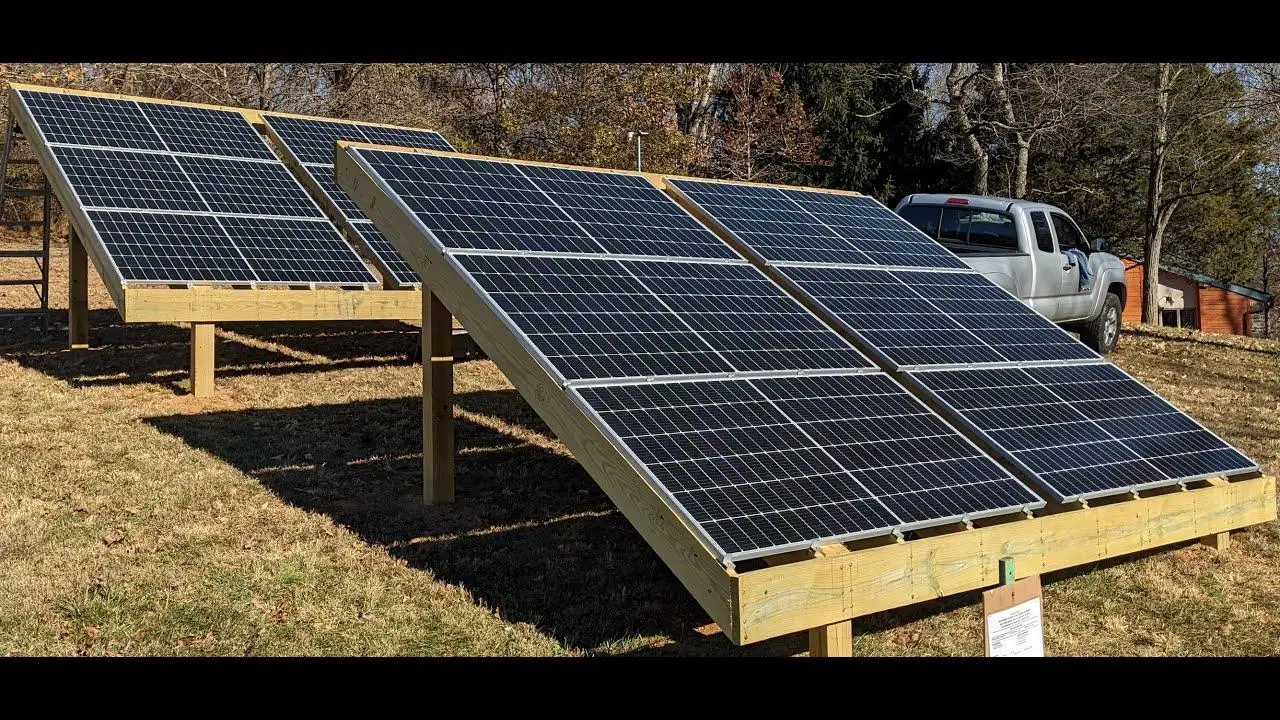 A fully off-grid solar system typically requires a higher upfront investment compared to grid-connected systems due to the need for substantial battery storage and additional backup components. Costs vary depending on system size, energy consumption, battery technology, and installation complexity.
Despite higher initial costs, fully off-grid systems provide complete energy independence, which can result in significant long-term savings. In remote areas where grid connection is costly or impractical, the long-term financial benefits often justify the investment. Over time, the elimination of electricity bills, combined with stable energy availability, makes off-grid systems a cost-effective and reliable solution.
Read more about : How to Determine Solar System Size
Should You Install It Yourself or Go Pro?
Choosing between DIY installation and professional installation depends on system size, complexity, and technical expertise.
DIY Installation Approach
DIY installation may reduce upfront costs for small and simple off-grid systems. However, it requires a strong understanding of electrical systems, battery management, and safety standards. Mistakes during installation can lead to system inefficiency, safety risks, or equipment damage. DIY setups are generally more suitable for experienced users working on low-power applications.
Call In the Pros
Professional installation ensures system safety, optimal performance, and full compliance with electrical regulations and industry standards. Experienced installers handle system design, component selection, load balancing, and safety testing. For larger or more complex systems, professional installation is strongly recommended to ensure reliability, efficiency, and long-term peace of mind.
To learn more about Infinity Solar services
8 Essential Maintenance Tips
Proper maintenance ensures long-term performance and reliability.
- Regularly clean your solar panels
- Check wiring and electrical connections
- Monitor battery performance and health
- Regularly check the inverter and charge controller
- Track system performance with monitoring software
- Periodically test backup loads
- Stay up to date on firmware
Routine maintenance prevents unexpected failures and extends system lifespan.
Read more about : On Grid and Off Grid Solar Systems
FAQ
How do you size an off-grid solar system?
By calculating daily energy usage, battery capacity, solar array size, and peak load requirements.
Is a 90% efficient solar panel possible?
No. Current commercial panels typically reach 22–23% efficiency. Higher efficiencies remain experimental.
Conclusion: Build Your Off-Grid Solar System with Confidence
Understanding how to design off grid solar system is the foundation of a reliable and independent energy solution. A properly designed system delivers consistent power, protects valuable equipment, and provides long-term savings.
At Infinity Solar, we specialize in designing, installing, and maintaining customized off-grid solar systems tailored to your specific needs. Whether you are powering a remote home, business, or facility, our expert team ensures optimal performance and complete peace of mind.
Contact Infinity Solar today to start designing your off-grid solar system with confidence and professional support.
 English
  Arabic