


المدونة : كيف تعمل الواح الطاقة الشمسية
Do Solar Panels Work at Night? Everything You Need to Know

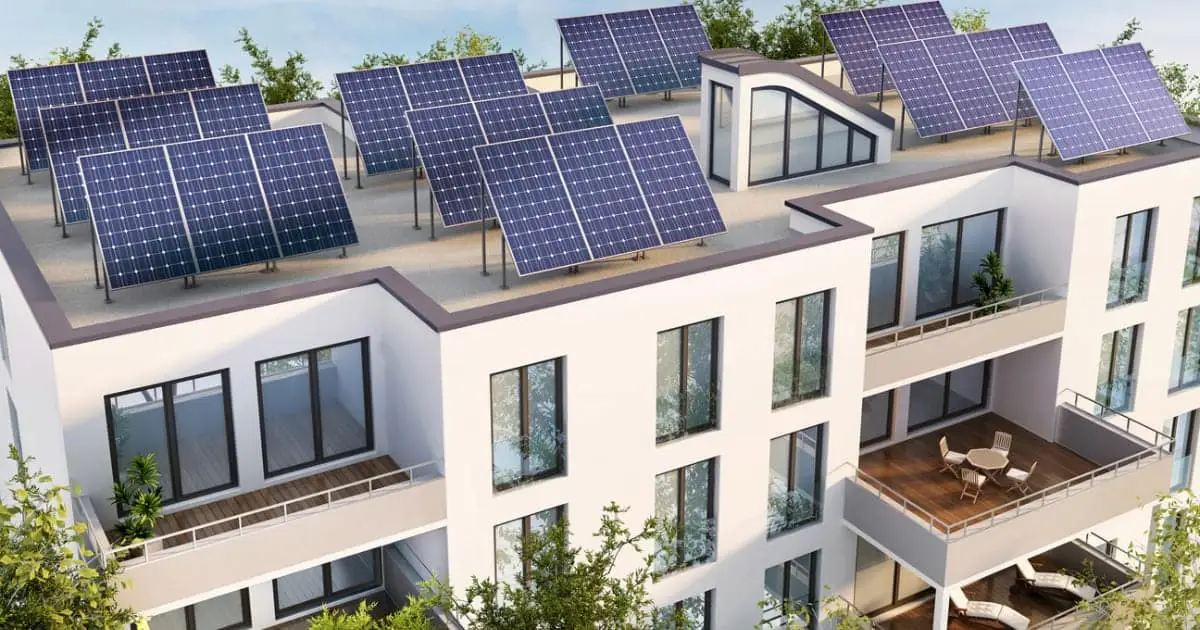
One of the most common questions people ask before installing solar energy is do solar panels work at night. The question is completely logical-after all, solar panels rely on sunlight, so what happens when the sun goes down? Understanding how solar energy systems function after sunset is essential for homeowners and businesses considering solar power as a reliable energy solution.
Solar energy systems are designed not only to generate electricity during the day but also to ensure continuous power availability at night. While solar panels themselves do not actively produce electricity without sunlight, modern solar systems use intelligent design strategies such as grid connection, battery storage, and energy management to provide electricity after dark. This is where many misconceptions arise, leading some people to assume solar energy is unreliable at night.
In reality, solar power systems are built to handle nighttime consumption efficiently. Energy generated during the day can be stored or offset against grid usage, allowing users to enjoy the benefits of solar energy around the clock. Whether through battery storage, hybrid systems, or grid-tied solutions, solar energy remains a dependable power source even when the sun is not shining.
This article explains do solar panels work at night in detail, covering how solar panels generate power, why sunlight is essential, how homes use solar energy after sunset, and how modern systems ensure reliability. By the end of this guide, you will have a clear understanding of how solar energy works day and night-and how to maximize its benefits.
Table of Contents
What Are Solar Panels?
Solar panels are devices designed to convert sunlight into electricity using photovoltaic (PV) technology. Each panel consists of multiple solar cells made from semiconductor materials, typically silicon. These cells are responsible for capturing sunlight and initiating the electrical process that generates power.
Solar panels are commonly installed on rooftops, ground-mounted structures, or carports, and they are built to withstand various environmental conditions such as heat, dust, and wind. Their durability and long lifespan-often 25 years or more-make them a reliable component of modern energy systems.
Panels alone do not power a home independently. They are part of a larger solar energy system that includes inverters, wiring, meters, and sometimes batteries. Together, these components ensure that the electricity generated by the panels can be used efficiently throughout the day and night.
read more: how hybrid solar system works
How Solar Panels Generate Electrical Power
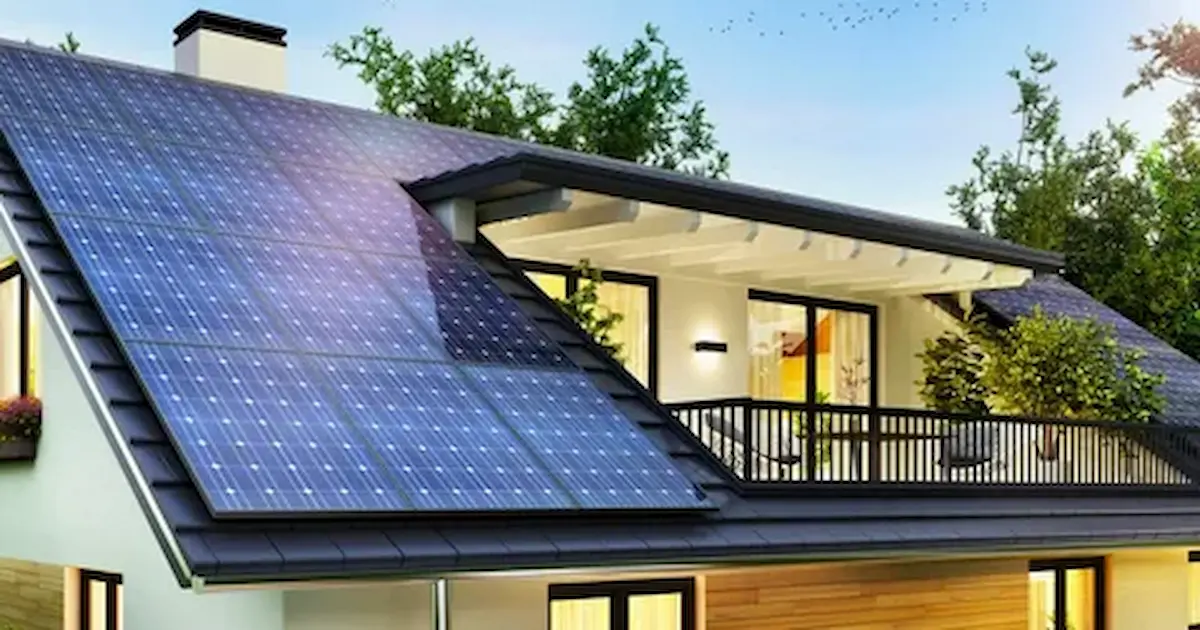
To understand do solar panels work at night, it is important to first understand how they generate electricity during the day. Solar panels operate using the photovoltaic effect, which occurs when sunlight strikes the surface of a solar cell.
When sunlight hits the cell, it excites electrons within the semiconductor material, causing them to move. This movement creates a flow of electrical current in the form of direct current (DC) electricity. The amount of electricity generated depends on factors such as sunlight intensity, panel efficiency, orientation, and temperature.
This DC electricity is then sent to an inverter, which converts it into alternating current (AC) electricity suitable for household or commercial use. This process happens automatically whenever sunlight is available, allowing solar panels to generate electricity throughout daylight hours.
How Solar Panels Generate Electrical Power
The Importance of Sunlight in Solar Energy
Sunlight is the primary energy source for solar panels. Without sunlight, the photovoltaic process cannot occur, and panels cannot actively generate electricity. This is why solar energy production is highest during midday when sunlight is strongest.
However, sunlight availability varies throughout the day and across seasons. Morning and evening hours produce less electricity, while cloudy weather can reduce output. Solar system design takes these variations into account to ensure consistent energy availability.
Understanding the relationship between sunlight and energy generation helps clarify why solar panels behave differently during the day and at night.
Read more about : How to Determine Solar System Size
Do Solar Panels Work at Night and Why?
The short answer to do solar panels work at night is no-solar panels do not generate electricity at night because there is no sunlight to activate the photovoltaic cells. Once the sun sets, electricity production from the panels stops.
However, this does not mean homes or businesses lose access to solar energy at night. Solar systems are designed to manage energy intelligently. Electricity generated during the day can be stored in batteries or balanced with grid power to ensure uninterrupted supply after dark.
This distinction is important: solar panels themselves do not work at night, but solar energy systems continue to provide power through stored or grid-supported energy.
.Read more about : How to Calculate Battery Capacity for Solar System
How Homes Use Solar Energy at Night
Homes with solar energy systems use different methods to access electricity at night depending on system type.
- Grid-tied systems: Homes draw electricity from the grid at night, often offset by energy credits earned during the day.
- Battery-based systems: Stored solar energy is used after sunset.
- Hybrid systems: A combination of battery storage and grid power ensures flexibility and backup.
These approaches allow solar-powered homes to enjoy reliable electricity around the clock, even when panels are inactive.
Can Solar Panels Generate Power in Cloudy Weather?
Solar panels can still generate electricity during cloudy weather, although at reduced efficiency. Diffused sunlight passes through clouds and activates the photovoltaic cells, producing lower but usable power output.
Modern panels are designed to perform efficiently under varying light conditions, making solar energy viable even in less-than-perfect weather.
To learn more about Infinity Solar services
How to Maximize Solar Panel Efficiency During Daytime
Maximizing solar panel efficiency during daytime is essential to ensure that the highest possible amount of energy is generated while sunlight is available. Higher daytime production directly translates into more stored energy or greater grid credits, which can then be used to power homes and businesses after sunset. A well-optimized system makes better use of solar resources and improves overall system performance.
Key strategies include:
- Proper panel orientation and tilt: Panels should be positioned to receive maximum sunlight throughout the day. Correct orientation and tilt angle significantly increase energy capture and reduce production losses.
- Regular cleaning to remove dust and debris: Dust, sand, and pollution can block sunlight and lower panel efficiency. Routine cleaning helps maintain optimal performance, especially in dusty or desert environments.
- Using high-efficiency panels: High-efficiency panels convert more sunlight into electricity, making them ideal for limited installation space or high energy demand.
- Reducing shading from nearby structures: Trees, buildings, and other obstacles can create shading that reduces output. Minimizing shading ensures consistent energy generation across all panels.
Higher daytime production increases the amount of energy available for storage or grid export, making nighttime energy use more reliable and cost-effective.
Maximizing Solar Energy Usage After Dark
Efficient energy management after sunset is just as important as daytime production. Since solar panels do not generate electricity at night, maximizing the use of stored or offset energy ensures continuous power availability and lower reliance on the utility grid.
To make the most of solar energy at night:
- Install battery storage systems: Batteries store excess solar energy generated during the day and supply power after dark, reducing dependence on grid electricity.
- Use energy-efficient appliances: Energy-efficient devices consume less power, allowing stored energy to last longer throughout the night.
- Shift high-energy activities to daytime hours: Running energy-intensive appliances during the day helps reduce nighttime demand and optimizes solar usage.
- Monitor energy usage patterns: Tracking consumption helps identify opportunities to reduce waste and improve overall energy efficiency.
These practices improve overall system performance, enhance energy reliability, and significantly reduce dependence on grid electricity during nighttime hours.
The Future of Solar Energy Use at Night
Advancements in battery technology and energy storage are transforming how solar energy is used at night. Improved batteries, smart grids, and energy management systems are making solar power more reliable than ever.
Future innovations will continue to reduce limitations associated with nighttime energy use, increasing solar adoption worldwide.
Financial and Environmental Advantages of Solar Energy
Solar energy offers substantial long-term financial advantages for both residential and commercial users. By generating electricity on-site, solar systems significantly reduce monthly electricity bills and protect users from rising utility rates and market price fluctuations. Over time, these consistent savings can offset the initial installation costs and deliver strong returns on investment. In many cases, solar energy systems continue to generate financial value for decades, making them a stable and predictable energy solution. Additionally, solar users benefit from lower operational and maintenance costs compared to conventional power sources, further improving overall financial efficiency.
From an environmental perspective, solar energy plays a critical role in reducing greenhouse gas emissions and minimizing dependence on fossil fuels. Unlike traditional power generation, solar systems produce electricity without releasing harmful pollutants or carbon emissions. This contributes to improved air quality and supports global efforts to combat climate change. By adopting solar power, homes and businesses actively support sustainable energy goals, conserve natural resources, and promote a cleaner, healthier environment for future generations.
To learn more about Infinity Solar services
FAQ
Can a Solar Panel Work Without Sun?
No. Solar panels require sunlight to generate electricity, but stored or grid-supported energy can be used when sunlight is unavailable.
What Time of Day Do Solar Panels Stop Working?
Solar panels stop generating electricity after sunset when sunlight is no longer available.
Conclusion: Is Solar Energy Reliable at Night?
Understanding do solar panels work at night helps clear up one of the biggest misconceptions about solar energy. While panels themselves do not generate electricity after sunset, modern solar energy systems ensure reliable power through intelligent design, energy storage, and grid integration.
With the right system configuration, solar energy remains a dependable and cost-effective power solution day and night. At Infinity Solar, we design and install solar systems tailored to your energy needs, ensuring maximum efficiency, reliability, and long-term savings.
Contact Infinity Solar today to learn how a professionally designed solar system can power your home or business-day and night-with confidence.
 Arabic
  English