


المدونة : كيف تعمل الواح الطاقة الشمسية
How Hybrid Solar System Works: A Complete Guide for Homes and Businesses

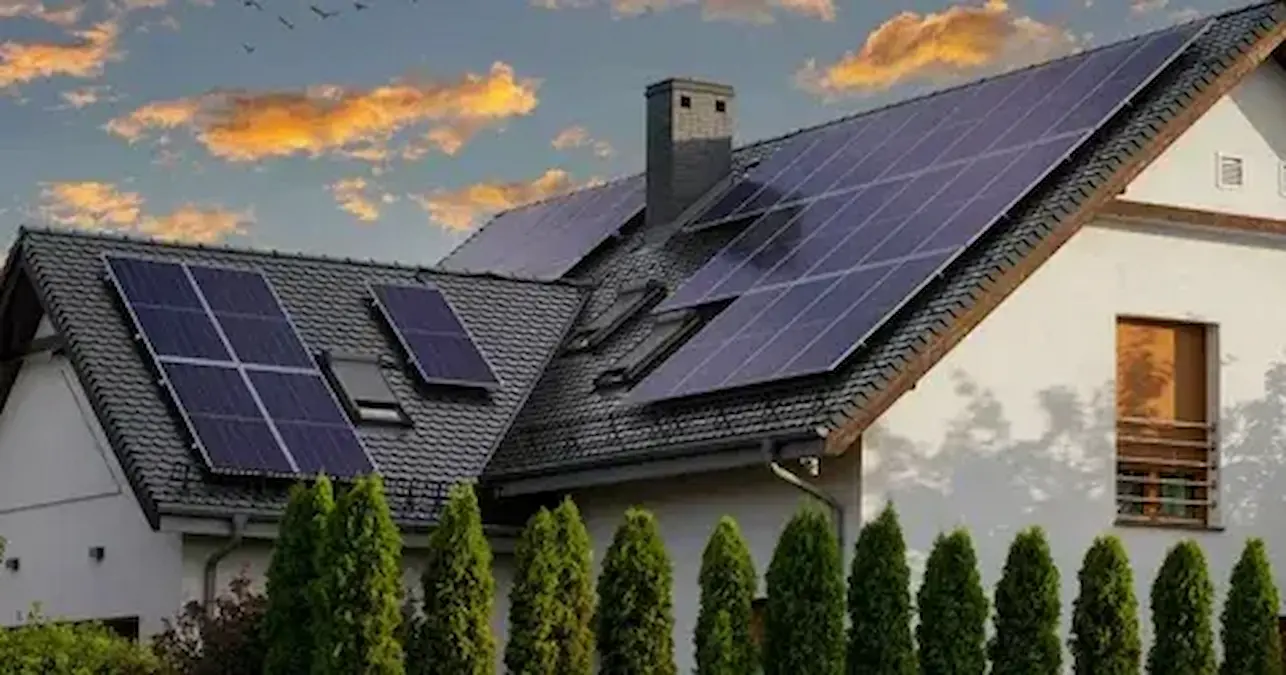
Understanding how hybrid solar system works has become increasingly important for homeowners and businesses looking for reliable, flexible, and cost-effective energy solutions. As energy demands grow and grid reliability becomes a concern in many regions, hybrid solar systems are emerging as one of the most practical and future-ready solar technologies available today. Unlike traditional on-grid or off-grid systems, hybrid solar systems combine the strengths of both approaches to deliver consistent power, energy savings, and backup security.
A hybrid solar system is designed to intelligently manage multiple energy sources, including solar panels, batteries, and the utility grid. This means energy generated during the day can be used immediately, stored for later use, or exported to the grid depending on demand and system configuration. When solar production is low or unavailable, the system automatically switches to stored energy or grid power, ensuring uninterrupted electricity supply.
This guide explains how hybrid solar system works in detail, covering system components, operation principles, panel types, advantages, limitations, costs, and key decision factors. Whether you are considering solar for a residential property or a commercial facility, this article will help you determine if a hybrid solar system is the right solution for your energy needs.
Table of Contents
What Is a Hybrid Solar System and Which Equipment Is Needed?
A hybrid solar system is a solar energy setup that combines solar panels, battery storage, and grid connection into a single integrated system. Its main purpose is to provide reliable power while maximizing the use of solar energy and minimizing dependence on the utility grid. Unlike conventional systems, a hybrid setup can store excess solar energy for later use instead of exporting all surplus power to the grid.
Many users are drawn to hybrid solar systems because they offer a balance between energy independence and grid support. For homes, this translates into lower electricity bills, backup power during outages, and greater control over energy usage. For businesses, hybrid systems help stabilize operating costs, protect against downtime, and support sustainability goals without the complexity of fully off-grid systems
The core equipment required for a hybrid solar system includes solar panels, a hybrid inverter, battery storage, mounting structures, electrical wiring, and monitoring systems. Each component plays a specific role in ensuring efficient energy generation, storage, and distribution. The hybrid inverter is particularly important, as it manages energy flow between solar panels, batteries, and the grid automatically.
In addition to these primary components, hybrid systems may also include smart energy management software and protection devices such as circuit breakers and surge protectors. These elements enhance system safety, performance monitoring, and user control. Proper equipment selection ensures that the system operates efficiently under varying load conditions and changing weather patterns.
On-Grid Solar vs Off-Grid Solar vs Hybrid Solar
Understanding the differences between on-grid, off-grid, and hybrid solar systems is essential when evaluating solar options. Each system type is designed for specific use cases and energy requirements.
On-grid solar systems are connected directly to the utility grid and do not typically include battery storage. They are cost-effective and suitable for areas with stable grid access, but they shut down during power outages. Off-grid systems operate independently from the grid and rely entirely on solar panels and batteries, making them ideal for remote locations but more expensive and complex.
Hybrid solar systems combine the advantages of both. They remain connected to the grid while also storing energy in batteries. This allows users to benefit from solar energy during the day, stored energy at night or during outages, and grid power when necessary. Hybrid systems offer greater flexibility, reliability, and long-term value compared to traditional setups.
To learn more about Infinity Solar services
How Hybrid Solar System Works in Detail
To fully understand how hybrid solar system works, it is important to look at how energy flows through the system during different conditions. During daylight hours, solar panels generate electricity that powers appliances and charges the battery. Any excess energy may be exported to the grid or stored depending on system configuration.
When solar production decreases, such as at night or during cloudy conditions, the system automatically switches to battery power. If battery levels drop below a set threshold, grid electricity is used as a backup. This seamless transition ensures uninterrupted power without user intervention.
Hybrid systems are controlled by intelligent inverters and monitoring software that prioritize energy sources based on efficiency and cost. This dynamic operation maximizes solar usage, extends battery life, and minimizes grid dependence, making hybrid systems highly efficient and user-friendly.
Practical Example of a Hybrid Solar System in Operation
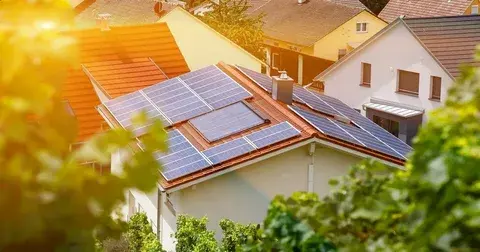
Consider a residential home using a hybrid solar system. During the day, solar panels generate electricity that powers household appliances and charges the battery. Excess energy is stored rather than wasted.
In the evening, when solar production stops, the home draws power from the battery instead of the grid. During a power outage, the battery supplies electricity to critical loads such as lighting, refrigeration, and internet devices. This practical operation demonstrates how hybrid systems provide energy savings, convenience, and reliability.
Types of Hybrid Solar Panels
Hybrid solar systems can work with various panel technologies, each offering different performance characteristics.
Monocrystalline Hybrid Solar Panel
Monocrystalline panels offer high efficiency, compact size, and long lifespan. They are ideal for hybrid systems where space and performance are critical.
Polycrystalline Hybrid Solar Panel
Polycrystalline panels are more affordable but slightly less efficient. They are suitable for installations with sufficient space and moderate budget constraints.
Building Integrated Photovoltaic Solar Panel (BIPV)
BIPV panels integrate directly into building structures such as roofs or façades. They combine aesthetics with energy generation and are often used in modern architectural designs.
Thin Film Solar Panel
Thin film panels are lightweight and flexible but have lower efficiency. They are suitable for large surfaces or unconventional installations.
Advantages of Hybrid Solar System
Hybrid solar systems offer several advantages:
- Reduced electricity bills
- Backup power during outages
- Better energy management
- Increased energy independence
- Long-term cost savings
These benefits make hybrid systems attractive for both residential and commercial applications.
Read more about : What Is a Solar Power System
Disadvantages of Hybrid Solar System
Despite their benefits, hybrid systems also have limitations:
- Higher upfront cost compared to on-grid systems
- Battery replacement costs over time
- More complex system design
Understanding these drawbacks helps users make informed decisions.
When Does a Hybrid Solar System Become Necessary?
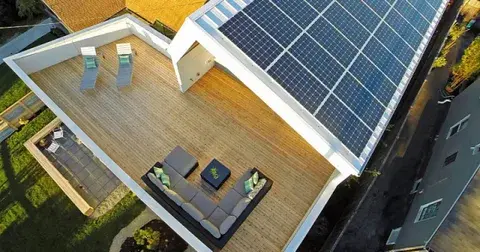
A hybrid solar system becomes necessary when grid reliability is inconsistent and power outages occur frequently. In such cases, relying solely on a grid-tied system may not provide continuous electricity, making battery storage an essential component for maintaining power supply during outages.
A hybrid solar system is also useful when energy costs are high and users want greater control over their electricity consumption. By storing excess solar energy, the system reduces dependence on the grid during peak tariff hours and provides energy resilience, especially in areas with unstable power infrastructure.
Read more about : How to Determine Solar System Size
Is a Hybrid Solar System the Right Choice for You?
A hybrid solar system is the right choice if you are looking for a balance between energy savings, backup power, and grid connectivity. It allows you to benefit from solar energy while still having access to the grid, without the limitations of a fully off-grid system.
This type of system is ideal for homeowners and businesses that want flexibility and long-term reliability. A professional system assessment helps determine whether a hybrid solar system fits your energy usage patterns, backup power needs, and budget, ensuring optimal system performance and return on investment.
Key Factors to Consider When Selecting a Hybrid Solar Inverter
Important factors include:
- Inverter capacity
- Battery compatibility
- Efficiency rating
- Monitoring features
- Warranty and support
Choosing the right inverter ensures optimal system performance.
How Much Does a Hybrid Solar System Cost?
The cost of a hybrid solar system varies based on several key factors, including system size, battery capacity, battery technology, and overall installation complexity. Larger systems with high-capacity lithium batteries and advanced hybrid inverters typically have higher upfront costs compared to standard grid-tied systems.
However, despite the higher initial investment, a hybrid solar system can deliver significant long-term savings. By reducing reliance on the grid, lowering electricity bills, and providing backup power during outages, many users find that the system pays for itself over time. When evaluated over its full lifespan, a hybrid solar system often offers strong financial value and improved energy security.
How Much Does a Hybrid Solar System Cost?
The cost of a hybrid solar system varies depending on several important factors, including system size, battery capacity, battery type, and installation complexity. Systems designed to support higher energy consumption or longer backup durations typically require larger batteries and more advanced hybrid inverters, which increases upfront costs.
In addition to equipment costs, installation requirements such as electrical upgrades, mounting structures, and system configuration also affect the total price. Location, labor rates, and local regulations can further influence overall system cost.
Key Factors Affecting Hybrid Solar System Cost
- System size and energy demand
Higher electricity consumption requires larger solar arrays and battery storage, increasing total cost. - Battery type and capacity
Lithium-ion batteries cost more upfront than lead-acid options but offer longer lifespan, better efficiency, and lower maintenance. - Hybrid inverter specifications
Inverters with higher power ratings, smart energy management features, and backup capabilities tend to be more expensive. - Installation complexity
Systems that require electrical panel upgrades, additional wiring, or advanced monitoring systems may have higher installation costs. - Long-term savings and return on investment
Although the initial cost is higher, reduced electricity bills, protection from rising energy prices, and backup power benefits often justify the investment over time.
When evaluating hybrid solar system cost, it is important to consider both upfront expenses and long-term financial benefits to determine the true value of the system.
To learn more about Infinity Solar services
FAQ
How long do hybrid solar systems last?
Most systems last 20–25 years, with batteries typically replaced after 8–12 years.
Does a hybrid solar system work without electricity?
Yes, hybrid systems can supply power during outages using stored battery energy.
Conclusion
Understanding how hybrid solar system works allows homeowners and businesses to make smarter energy decisions. Hybrid systems offer a balanced approach to solar energy by combining savings, reliability, and flexibility in a single solution. They reduce electricity costs, provide backup power, and support long-term sustainability goals.
At Infinity Solar, we specialize in designing and installing customized hybrid solar systems tailored to your specific needs. From system assessment and design to installation and maintenance, our expert team ensures optimal performance and long-term value.
Contact Infinity Solar today to explore how a hybrid solar system can transform your energy experience and provide reliable, future-ready power for your home or business.
 Arabic
  English