

المدونة : كيف تعمل الواح الطاقة الشمسية
What Is a Solar Power System? Your Complete Guide to Solar Energy

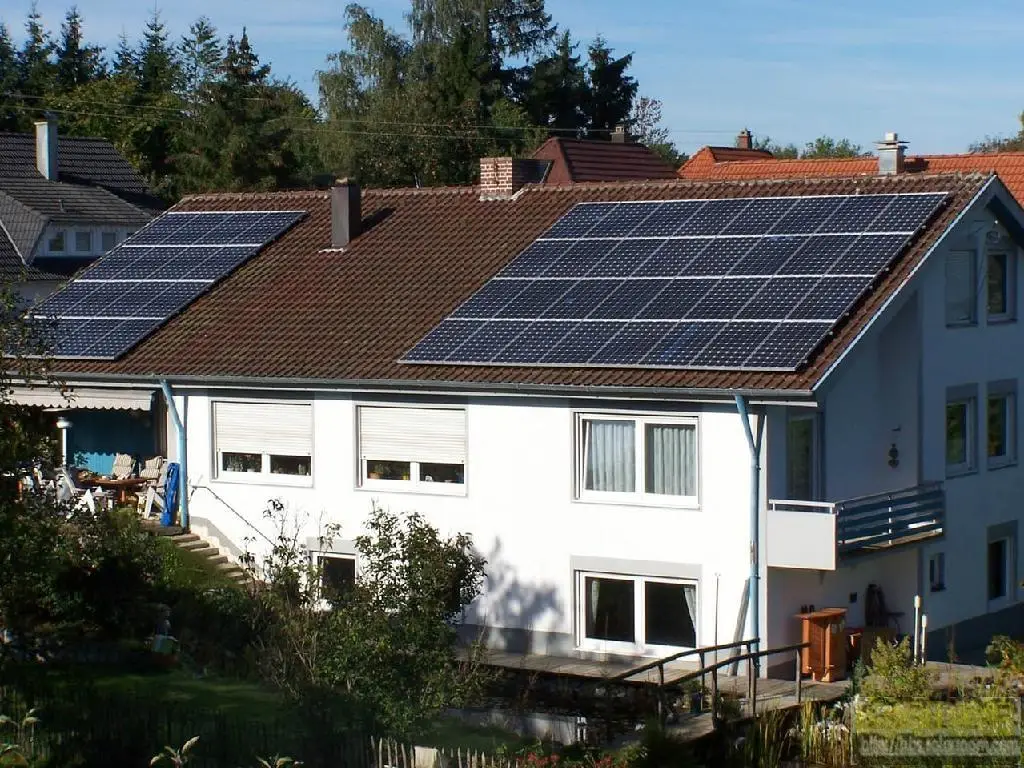
As energy costs rise and sustainability becomes a priority, more people are exploring solar energy. Understanding what a solar power system is and how it works is the first step toward cleaner, cost-effective electricity. This guide explains the types, benefits, and future of solar power for both homes and businesses in Saudi Arabia.
Table of Contents
What Is a Solar Power System? Comprehensive Guide
Introduction
A solar power system harnesses energy from the sun to generate electricity for homes, businesses, and large-scale operations. Understanding what is solar power system is essential for anyone considering a shift towards clean and sustainable energy. This guide explores how solar systems work, their types, benefits, and the technology driving their widespread adoption in Saudi Arabia.
Solar power not only reduces electricity bills but also contributes to a cleaner environment. Whether you’re a homeowner or a business looking for reliable energy solutions, learning about solar systems can help you make informed decisions.
What Is a Solar Power System and How Does It Work?
A solar power system converts sunlight into usable electricity through photovoltaic (PV) panels or solar thermal systems. Sunlight is absorbed by solar cells, which generate direct current (DC) electricity. This electricity is then converted into alternating current (AC) via an inverter to power homes or businesses.
The system typically includes solar panels, inverters, mounting equipment, and sometimes batteries for energy storage. Understanding what is solar power system helps you appreciate its role in sustainable energy production.
History of Solar Power System
Solar energy has been utilized for centuries, from ancient civilizations using passive solar designs to modern photovoltaic systems. The 20th century marked significant advancements with the invention of efficient solar cells in the 1950s. Since then, solar technology has evolved rapidly, becoming more affordable and efficient, paving the way for widespread adoption globally, including in Saudi Arabia.
To learn more about Infinity Solar services
Why Solar Power Systems Are Ideal for Homes and Businesses in Saudi Arabia
Saudi Arabia offers ideal conditions for solar energy thanks to high solar irradiation and long sunshine hours throughout the year. For homeowners and businesses exploring what is solar power system, solar installations provide a reliable way to generate clean electricity while reducing dependence on the national grid. Residential systems can efficiently cover daily household needs, especially cooling, lighting, and water heating, which are major sources of energy consumption.
For businesses, solar power systems help stabilize operational costs and improve long-term financial planning. Commercial facilities often consume the most energy during daytime hours, which aligns perfectly with peak solar production. In addition to cost savings, adopting solar energy supports sustainability goals and enhances a company’s environmental image in an increasingly eco-conscious market.
Read more about : How to Design Off-Grid Solar System
How a Solar Power System Can Reduce Electricity Bills and Increase Property Value
A major advantage of solar energy is its ability to significantly reduce electricity bills. When people ask what is solar power system, the answer includes more than clean energy—it is a practical solution for lowering monthly utility expenses. By generating electricity on-site, solar systems offset grid consumption, leading to immediate and measurable savings for both homes and businesses.
Beyond monthly savings, solar power systems can increase property value. Buildings equipped with solar installations are often seen as modern, energy-efficient, and cost-effective, making them more attractive to buyers and investors. Lower operating costs and long-term energy security contribute to stronger property appeal and higher market value.
Common Misconceptions About Solar Power Systems (And the Truth Behind Them)
Many people believe solar power systems are expensive or difficult to maintain. In reality, modern solar technology has become more affordable, and systems require minimal maintenance due to their simple and durable design. Solar panels are built to last for decades, offering consistent performance with routine cleaning and basic inspections.
Another common misconception is that solar systems only work in perfect weather conditions. While sunlight intensity affects output, solar panels continue to generate electricity on cloudy days. Advances in photovoltaic technology ensure reliable performance throughout the year, making solar power a dependable energy source for homes and businesses alike.
Why Solar Power Is Considered a Clean Energy Source
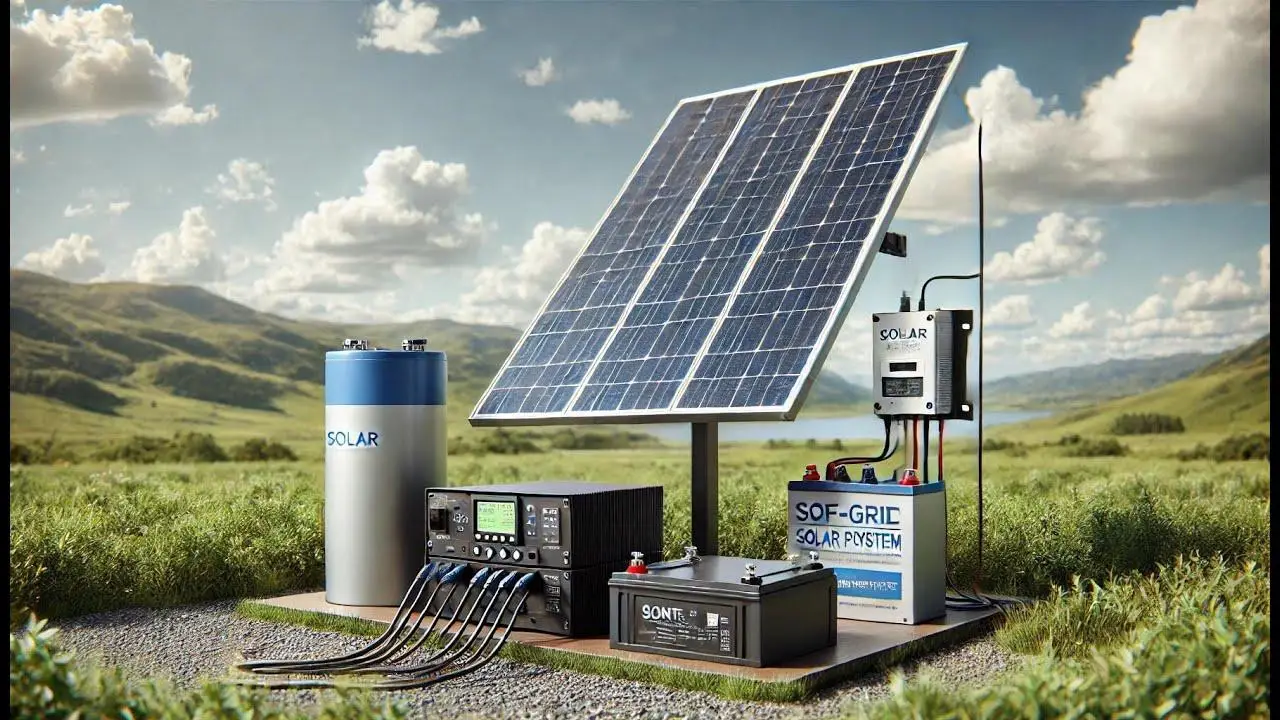 Solar energy is renewable, abundant, and emits no greenhouse gases during electricity generation. Unlike fossil fuels, solar power reduces carbon footprints and helps combat climate change. By investing in a solar system, users contribute to a sustainable future while enjoying long-term cost savings.
Read more about : How to Calculate Battery Capacity for Solar System
Types of Solar Power Systems
What Is a Large-Scale Solar Power System?
Large-scale solar systems, often called solar farms, generate electricity for commercial or utility purposes. These installations can cover acres of land, feeding power into the grid and serving thousands of households.
What Is a Small-Scale Solar Power System?
Small-scale solar systems are typically designed for residential or small business use. They provide enough electricity to power a home or office, reduce dependency on the grid, and often include battery storage for energy independence.
What Is Concentrated Solar Power (CSP)?
CSP systems use mirrors or lenses to concentrate sunlight onto a small area, generating heat to produce electricity via turbines. CSP is ideal for large-scale operations in sunny regions, such as Saudi Arabia, where solar intensity is high.
Difference Between Active and Passive Energy Systems
- Active systems use mechanical or electrical components like pumps and fans to distribute solar energy.
- Passive systems rely on design and materials to naturally heat or cool spaces without additional equipment.
Read more about : How to Determine Solar System Size
How Solar PV Panels Differ from Solar Thermal Panels
- PV panels convert sunlight directly into electricity.
- Solar thermal panels use sunlight to heat water or air for residential or commercial use. Both technologies can complement each other depending on energy needs.
Types of Solar Energy
Photovoltaic Solar Energy
Directly converts sunlight into electricity using solar cells. PV systems are widely used in homes, businesses, and solar farms.
Thermal Solar Energy
Captures sunlight to heat water or air. Ideal for residential hot water systems or industrial applications.
Passive Solar Energy
Uses building design, materials, and orientation to naturally heat or cool indoor spaces.
Hybrid Solar Energy
Combines PV and thermal systems for maximum efficiency, supplying both electricity and heat from a single installation.
Advantages of Solar Power
- Reduces electricity bills and energy costs
- Environmentally friendly and sustainable
- Low maintenance requirements
- Increases energy independence and reliability
- Supports Saudi Arabia’s renewable energy goals
Read more about : On Grid and Off Grid Solar Systems
Components of a Solar Power System
 What Is a Solar Power System Made Of?
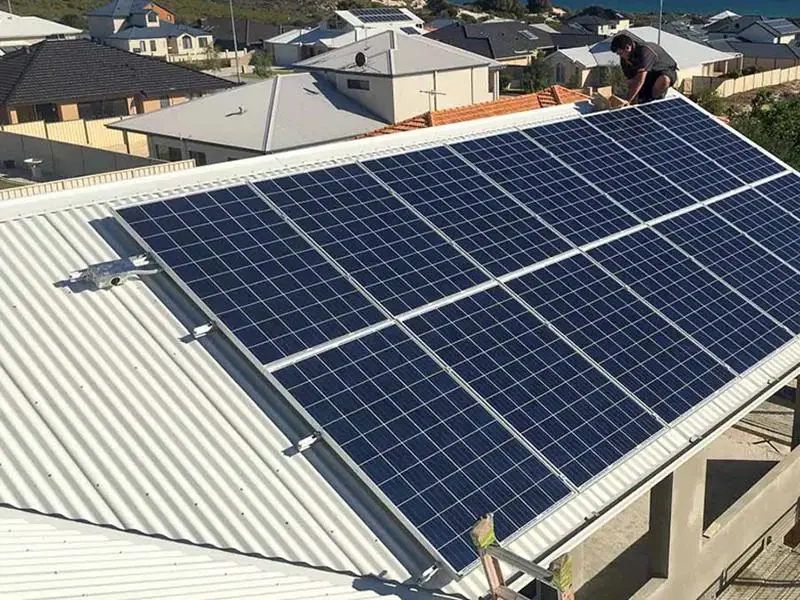 What Is a Solar Power System Made Of?
A typical system includes solar panels, inverters, mounting equipment, wiring, and sometimes batteries for storing excess energy.
What Are Solar Farms?
Solar farms are large-scale installations producing electricity for the grid. They play a critical role in national renewable energy strategies.
Does Solar Power Work on Cloudy Days?
Yes, solar panels can generate electricity even on cloudy days, though efficiency may decrease slightly. Modern PV technology ensures reliable performance under varying weather conditions.
How Is More Solar Power Being Integrated into Electricity Systems?
Governments and utilities are incorporating solar power into national grids using advanced management systems, energy storage, and smart inverters to balance supply and demand.
Types of Connection Systems
Solar power systems are commonly classified based on how they connect to the electricity grid. Choosing the right connection system depends on location, energy needs, and the desired level of independence from the utility provider. The three main connection types are on-grid, off-grid, and hybrid systems, each designed to serve different use cases.
On-Grid System
An on-grid solar system is directly connected to the utility electricity grid. This type of system allows users to generate solar power for daily consumption while relying on the grid whenever solar production is insufficient, such as at night or during periods of low sunlight. Any excess energy generated during peak solar hours can be exported back to the grid, helping reduce electricity bills through net metering or utility credit programs.
On-grid systems are commonly used in urban areas and commercial buildings where grid access is stable. They are typically more affordable than other system types because they do not require large battery storage, making them a cost-effective solution for homes and businesses looking to reduce energy costs without fully disconnecting from the grid.
Off-Grid System
An off-grid solar system operates independently from the utility grid and relies entirely on solar panels and battery storage to supply electricity. These systems are designed for locations where grid access is unavailable, unreliable, or too costly to install, such as remote homes, farms, or desert facilities.
Because off-grid systems must provide power at all times, they require careful planning, including sufficient battery capacity and sometimes a backup generator. While the upfront cost is higher, off-grid systems offer complete energy independence and long-term reliability in isolated locations.
Hybrid System
A hybrid solar system combines the advantages of both on-grid and off-grid systems. It remains connected to the utility grid while also storing excess solar energy in batteries. This setup allows users to consume stored energy during power outages or peak tariff periods, while still benefiting from grid support when needed.
Hybrid systems are ideal for users who want greater energy security and flexibility. They provide backup power, optimize energy usage, and help reduce reliance on the grid, making them a popular choice for homes and businesses seeking a balanced and future-ready solar solution.
Future of Solar Power
Solar technology is evolving with more efficient PV cells, better storage solutions, and integration with smart grids. Innovations like floating solar farms and concentrated solar power promise to make solar energy even more accessible and reliable worldwide.
To learn more about Infinity Solar services
FAQ
What are the four main types of solar energy?
Photovoltaic, Thermal, Passive, and Hybrid solar energy.
What is the most common type of solar power?
Photovoltaic (PV) solar power is the most widely used system for homes, businesses, and large-scale installations.
Ready to Switch to Solar Energy?
Investing in a solar power system not only reduces electricity costs but also supports a sustainable future. Contact Infinity Solar today to explore tailored solar solutions for your home or business in Saudi Arabia. Our team provides professional installation, maintenance, and guidance every step of the way.
 Arabic
  English