


المدونة : كيف تعمل الواح الطاقة الشمسية
What is a Hybrid Solar Inverter? A Complete Guide for Homeowners

Table of Contents
Introduction
As solar energy adoption continues to grow across Saudi Arabia, homeowners are no longer asking whether they should install solar panels – they are asking smarter, more technical questions. One of the most common and important questions today is: What is a hybrid solar inverter? If you are planning to install a residential solar system or upgrade an existing one, understanding hybrid inverters is essential. They are quickly becoming the preferred choice for homes that want flexibility, backup power, and long-term energy security.
In regions with high electricity demand, especially where air conditioning consumes a large portion of household energy, having a reliable and intelligent power management system is critical. A hybrid solar inverter does more than just convert electricity — it acts as the central brain of your solar setup. It manages solar production, grid interaction, battery storage, and household consumption all in one integrated unit. In this guide, we will explain how hybrid inverters work, their advantages and disadvantages, how they compare to traditional systems, and whether investing in one is the right decision for your home.
What is a Hybrid Solar Inverter?
To answer clearly: What is a hybrid solar inverter?
A hybrid solar inverter is an advanced type of inverter that combines the functions of a traditional grid-tied inverter and a battery inverter in a single system. It allows your solar panels to:
- Power your home directly
- Send excess electricity to the grid
- Store excess energy in batteries
- Draw electricity from batteries when needed
Unlike standard inverters, hybrid inverters are designed to manage multiple energy sources simultaneously.
In simple terms, it is a smart energy management device that gives you greater control over how your solar power is used.
To learn more about Infinity Solar services
How Does a Hybrid Inverter Work?
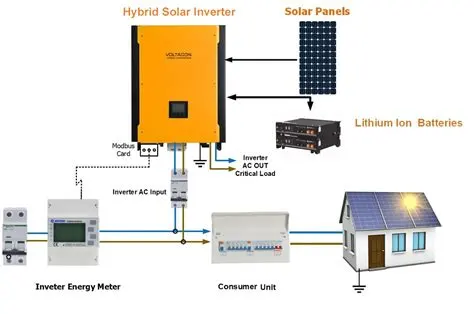
A hybrid inverter works by coordinating energy flow between four main sources:
- Solar panels
- The utility grid
- Battery storage
- Your home’s electrical loads
Here is how the process works step-by-step:
- Solar panels generate DC electricity.
- The hybrid inverter converts DC into AC power for home use.
- Excess energy is either:
- Stored in batteries
- Exported to the grid
- At night or during outages, stored battery power is used.
This bidirectional energy flow is what makes hybrid systems flexible and reliable.
 Components of a Hybrid Inverter System
 Components of a Hybrid Inverter System
A complete hybrid inverter system includes:
- Solar panels
- Hybrid inverter
- Lithium battery storage (optional but recommended)
- Monitoring system
- Grid connection
The inverter acts as the central controller, ensuring seamless switching between solar, battery, and grid power.
Read more about: How to calculate solar inverter size?
What Are the Functions of a Hybrid Solar Inverter?
Hybrid inverters perform several critical functions:
DC-to-AC Bidirectional Power Conversion
Unlike traditional inverters, hybrid models:
- Convert DC from panels to AC for home use
- Convert AC from grid into DC to charge batteries
This two-way conversion is essential for battery integration.
Power Regulation
Power regulation is essential to maintain consistent electrical performance and prevent damage caused by voltage fluctuations. The inverter ensures stable voltage and frequency levels, protecting:
- Appliances
- Air conditioning units
- Electronics
Power Monitoring
Advanced monitoring features help homeowners track and manage their solar energy usage more efficiently. Modern hybrid inverters provide:
- Real-time production tracking
- Battery charge monitoring
- Consumption analytics
- Mobile app integration
This allows homeowners to optimize usage.
Power Maximization
Maximizing solar output ensures you get the highest possible return from your investment. With MPPT (Maximum Power Point Tracking) technology, hybrid inverters:
- Extract maximum output from panels
- Improve overall system efficiency
- Adapt to sunlight variations
Three Main Types of Hybrid Inverters
Hybrid inverters are available in different configurations designed to suit various energy needs and installation environments.
1.Grid-Tied Hybrid Inverter
This type is ideal for homes connected to the utility grid that want the flexibility of adding battery storage.
- Works with the grid
- Allows battery integration
- Most common residential choice
2.Off-Grid Hybrid Inverter
Designed for properties without grid access, this inverter operates fully independently using stored solar energy.
- Designed for remote areas
- Operates independently
- Requires battery storage
3.All-in-One Hybrid Inverter
A compact solution that integrates multiple components into a single unit for easier installation and space efficiency.
- Combines inverter and battery in one unit
- Compact design
- Simplified installation
Modes of Operating a Hybrid Power Inverter
Hybrid power inverters are designed to operate in multiple modes, allowing homeowners to optimize energy usage based on consumption patterns, grid availability, and electricity tariffs. This flexibility makes them a smart solution for both cost savings and energy reliability.
Hybrid inverters can operate in multiple modes:
- Self-Consumption Mode – Solar powers home first, excess stored in battery.
- Backup Mode – Batteries reserved for power outages.
- Peak Shaving Mode – Batteries used during high tariff hours.
- Off-Grid Mode – Fully independent from the utility grid.
Advantages of Hybrid Inverter
Hybrid inverters combine the benefits of grid-tied and off-grid systems, offering greater control over energy usage and improved reliability. They are especially attractive for homeowners seeking long-term energy security and lower utility costs.
Hybrid inverters offer several benefits:
- Energy independence
- Backup during outages
- Lower electricity bills
- Future-ready battery compatibility
- Smart energy management
For Saudi homeowners, backup power during grid interruptions can be a major advantage.
Disadvantages of Hybrid Inverter
While hybrid inverters offer advanced functionality, they also come with certain considerations that homeowners should evaluate before investing. Understanding these limitations helps in making an informed decision.
Despite their advantages, hybrid systems have some limitations:
- Higher upfront cost
- More complex installation
- Battery replacement cost in the future
However, for many homeowners, the benefits outweigh these drawbacks.
Read more about: what is a solar power system?
Pros of a Hybrid Inverter
A hybrid inverter enhances overall system reliability and energy flexibility, making it a practical solution for homes that prioritize uninterrupted power supply and smart energy control.
Power Resiliency
One of the biggest strengths of hybrid systems is their ability to maintain power during grid failures, ensuring continuous operation of essential household systems.
Hybrid systems provide uninterrupted electricity during grid failures, which is essential for:
- Air conditioning
- Refrigeration
- Security systems
Easily Retrofit Battery Storage
Hybrid inverters are designed with future expansion in mind, allowing homeowners to add battery storage whenever their energy needs grow.
Even if you do not install batteries initially, hybrid inverters allow easy future upgrades.
Simplified Energy Monitoring
Modern hybrid inverters come equipped with intelligent monitoring tools that help homeowners track performance and manage consumption efficiently.
Advanced software enables:
- Smart consumption tracking
- Performance optimization
- Remote monitoring
Cons of a Hybrid Inverter
 Cons of a Hybrid Inverter
While hybrid inverters offer advanced functionality and energy flexibility, they may not be the ideal solution for every homeowner—especially when upgrading an existing solar system. Before making the switch, it’s important to consider potential design and cost implications.
Not Ideal for Upgrading an Existing System
If you already have a grid-tied inverter installed, upgrading to a hybrid system may require:
- System redesign
- Additional equipment
This can increase installation complexity and overall project cost.
Increased Equipment Expenses
Hybrid inverters generally cost more than standard grid-tied models due to their integrated battery management and smart control features.
Less Future Design Flexibility
All-in-one hybrid units combine multiple components into a single system, which can sometimes limit expansion or customization options in the future compared to modular solar setups.
How a Hybrid Inverter Compares to Other Types of Inverters
When understanding What is a hybrid solar inverter? it’s important to compare it with traditional grid-tied systems. Unlike standard inverters that only convert DC to AC electricity, hybrid inverters integrate battery management and backup functionality, offering greater flexibility and energy control for homeowners.
Here is a quick comparison:
| Feature | Grid-Tied Inverter | Hybrid Inverter |
| Battery Support | No | Yes |
| Backup Power | No | Yes |
| Cost | Lower | Higher |
| Flexibility | Limited | High |
Hybrid systems offer greater versatility, especially for homeowners who want backup protection and smarter energy optimization.
Comparison with Traditional Solar Inverters
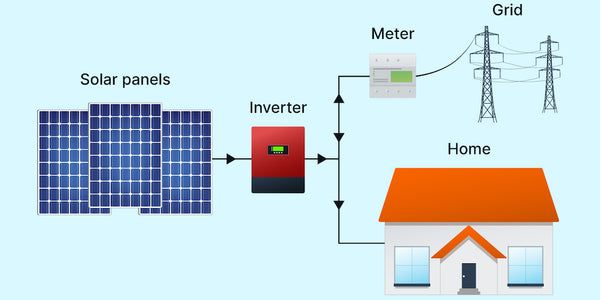
Traditional solar inverters are designed primarily for converting DC electricity generated by solar panels into usable AC power for the home. However, they lack energy storage integration and automatically shut down during power outages for safety reasons.
Traditional inverters:
- Only convert DC to AC
- Shut down during power outages
- Cannot store energy
Hybrid inverters, on the other hand, are more advanced systems that manage both solar production and battery storage, allowing greater energy independence.
Hybrid inverters:
- Manage batteries
- Provide backup
- Optimize energy flow
For homes with high AC usage, hybrid systems provide better reliability and uninterrupted cooling during grid failures.
Should You Invest in a Hybrid Solar Inverter?
If you’re asking yourself What is a hybrid solar inverter? and whether it’s worth the investment, the answer depends on your specific energy needs and long-term goals. Hybrid systems are ideal for homeowners who want greater control over electricity usage and protection against outages.
The decision depends on:
- Your electricity consumption
- Need for backup power
- Budget
- Long-term energy goals
If you experience frequent outages or want greater energy independence, investing in a hybrid inverter makes strategic and financial sense.
Can a Hybrid Grid-Tied Inverter Help Me Go Off-Grid?
Many homeowners exploring What is a hybrid solar inverter? also wonder if it can support off-grid living. The answer is yes — but partially. A hybrid inverter can operate independently when paired with sufficient battery storage and proper system sizing.
With sufficient battery storage and proper system design, hybrid systems can:
- Operate independently
- Reduce grid reliance
- Support critical loads
However, full off-grid living requires larger battery capacity and careful energy management planning.
Do Hybrid Inverters Cost More Than Regular Solar Inverters?
Yes, hybrid inverters typically cost more than standard grid-tied models due to their advanced battery integration and smart energy management features. On average, hybrid systems cost 20–40% more than traditional grid-tied inverters.
However, they eliminate the need for a separate battery inverter, which helps balance the overall system cost while providing added functionality and backup protection.
To learn more about Infinity Solar services
Conclusion
Understanding What is a hybrid solar inverter? is crucial for anyone considering a modern residential solar system. Hybrid inverters combine the functionality of traditional inverters with advanced battery management, providing flexibility, reliability, and long-term energy optimization. In hot climates like Saudi Arabia, where air conditioning significantly increases energy demand, having a system that can intelligently manage power flow makes a real difference.
While hybrid systems require a higher initial investment, they offer enhanced resilience, simplified monitoring, and future-ready battery integration. They are particularly beneficial for homeowners who want backup power during outages or who plan to expand their solar system over time. Instead of simply converting electricity, hybrid inverters actively optimize how your home consumes and stores energy.
If you are planning to install a new solar system or upgrade your current setup, choosing the right inverter is one of the most important decisions you will make. At Infinity Solar, we provide customized hybrid solar solutions designed specifically for residential properties in Saudi Arabia. Our expert team ensures proper system sizing, professional installation, and long-term performance.
Contact Infinity Solar today to discover whether a hybrid solar inverter is the right solution for your home and take the next step toward smarter energy independence.
FAQ
Is investing in the Best Hybrid Inverter a Good Investment?
Yes, especially if you want backup power and long-term energy flexibility.
Can you Operate Hybrid Inverter without Battery?
Yes. It can function like a grid-tied inverter until batteries are added.
How Hybrid Inverter for Home Works?
It manages solar production, grid connection, and battery storage in one system.
Where to Use Hybrid Inverters?
They are ideal for:
- Residential villas
- Homes with high AC demand
- Areas with unstable grid supply
Is it worth buying a hybrid inverter?
For most homeowners seeking backup and energy independence, yes — it is worth the investment.
 Arabic
  English