

Blog : Solar Energy System Guide
How Many Solar Panels to Power a House? Guide for Homeowners

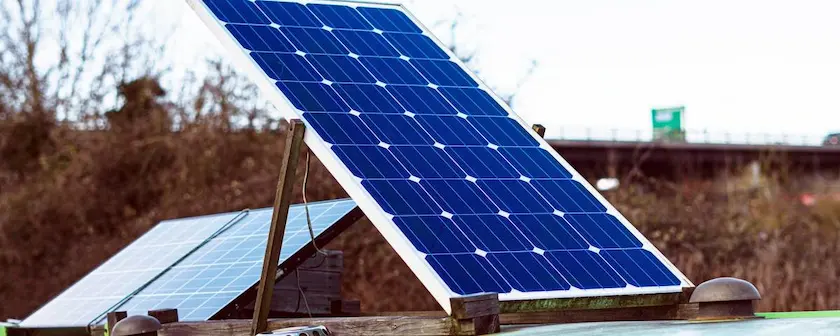
One of the most common questions homeowners ask when considering solar energy is: how many solar panels to power a house? The answer depends on several factors, including your electricity consumption, location, roof space, and the efficiency of the solar panels you choose. In Saudi Arabia, where sunlight is abundant throughout the year, solar systems can generate significant amounts of electricity, making them an ideal solution for reducing energy costs and increasing sustainability.
However, there is no one-size-fits-all answer. A small home with moderate energy usage will require far fewer panels than a large villa with high electricity demand, especially if it relies heavily on air conditioning. Understanding how to calculate your energy needs and match them with the right system size is essential for making the most out of your solar investment. In this guide, we will break down everything you need to know about how many solar panels to power a house, including calculations, influencing factors, costs, and real-world examples.
Table of Contents
How Many Solar Panels Do You Need to Power a House?
To determine how many solar panels to power a house, you need to follow a simple step-by-step process. Each step helps you estimate the system size required for your specific energy needs.
First, Find How Many Kilowatt-Hours You Use to Run Your House
Start by checking your electricity bill to find your monthly energy consumption, usually measured in kilowatt-hours (kWh).
For example:
- Small home: 300–600 kWh/month
- Medium home: 600–1,200 kWh/month
- Large home: 1,200+ kWh/month
This number is the foundation for calculating how many solar panels you need.
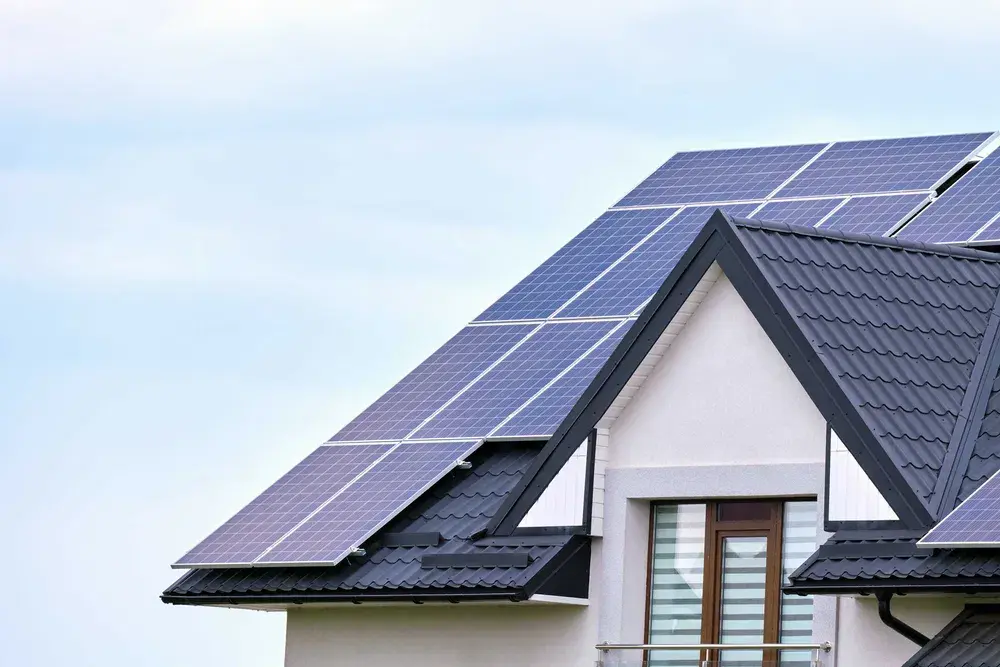
 Next, Determine How Many Peak Sun Hours Your Location Gets
 Next, Determine How Many Peak Sun Hours Your Location Gets
Peak sun hours refer to the number of hours per day when sunlight is strong enough to generate maximum solar power.
In Saudi Arabia, average peak sun hours range between:
- 5 to 7 hours per day
This high solar potential reduces the number of panels required compared to other regions.
Finally, Pick a Solar Panel Power Rating
Solar panels come in different power ratings, typically between:
- 400W to 600W per panel
Higher-efficiency panels generate more power, meaning you need fewer panels to meet your energy needs.
To learn more about Infinity Solar services
How to Calculate How Many Solar Panels You Need
To calculate how many solar panels to power a house, use this simple formula:
Number of Panels = Total Daily Energy Usage ÷ (Panel Output × Sun Hours)
Example:
- Monthly usage: 900 kWh
- Daily usage: 30 kWh
- Panel output: 500W (0.5 kW)
- Sun hours: 6
Calculation:
30 ÷ (0.5 × 6) = 10 panels approximately
This is a simplified estimate, and real systems are adjusted for efficiency losses.
read more about: How Many Panels in a 5kW Solar System? Complete Guide for Homeowners
Solar Panel Cost
The cost of a solar system depends on the number of panels, system size, and installation requirements.
Typical cost factors include:
- Equipment (panels, inverter)
- Installation
- Maintenance
- Optional battery storage
Larger systems require more panels, which increases the overall investment but also delivers higher savings over time.
Factors That Impact How Much Solar You Need
Several factors influence how many solar panels to power a house, and understanding them helps you design a more efficient and cost-effective system. Panel quality, roof conditions, energy usage, and available space all play an important role in determining the right setup for your home.
Quality and Performance of Photovoltaic Panels
The efficiency and quality of solar panels directly affect how much electricity your system can generate. Higher-performance panels usually produce more power with fewer units, helping reduce the total number of panels required.
Type of Solar Panel According to Cell Type
Solar panels are available in different cell types, each offering different efficiency levels and costs. Choosing the right panel type is important when calculating how many solar panels to power a house efficiently.
- Monocrystalline – highest efficiency
- Polycrystalline – moderate efficiency
- Thin-film – lower efficiency
Installed Capacity
The installed capacity of a solar system determines how much electricity it can generate daily. Larger system capacities are typically needed for homes with higher electricity consumption.
Orientation and Inclination of the Roof
Roof direction and panel angle significantly affect solar energy production. Panels installed at optimal angles with maximum sun exposure perform more efficiently and may require fewer panels overall.
How Much Solar Power Can Your Panels Produce?
Solar panel output depends on panel wattage, sunlight exposure, and installation quality. In Saudi Arabia, a 500W panel can typically generate around 2.5–3 kWh per day under ideal weather conditions.
What System Size Do You Need?
The right system size depends on your household energy usage and daily electricity needs. Residential solar systems are commonly measured in kilowatts (kW).
- 3 kW – small homes
- 5 kW – medium homes
- 10 kW – large homes
Number of Solar Panels Needed for Specific System Sizes
The number of panels required depends on the total system size and panel efficiency. Using 500W panels as an example:
- 3 kW system → 6 panels
- 5 kW system → 10 panels
- 10 kW system → 20 panels
These estimates may vary depending on sunlight conditions and system performance.
How Much Electricity Do You Use?
Your monthly electricity consumption is one of the biggest factors in determining how many solar panels to power a house. Homes with air conditioning, large appliances, and high daily energy use generally require larger solar systems.
How Much Roof Space Do You Have?
Available roof space affects the number of panels that can be installed on your property. Limited roof space may require high-efficiency solar panels to maximize energy production.
Each panel typically requires around:
- 1.7–2 square meters
Square Footage of Different-Sized Solar Panel Systems
Different solar system sizes require different amounts of roof space for installation.
- 3 kW system → 20–30 m²
- 5 kW system → 35–50 m²
- 10 kW system → 70–100 m²
How Big Is Your Home?
 How Big Is Your Home?
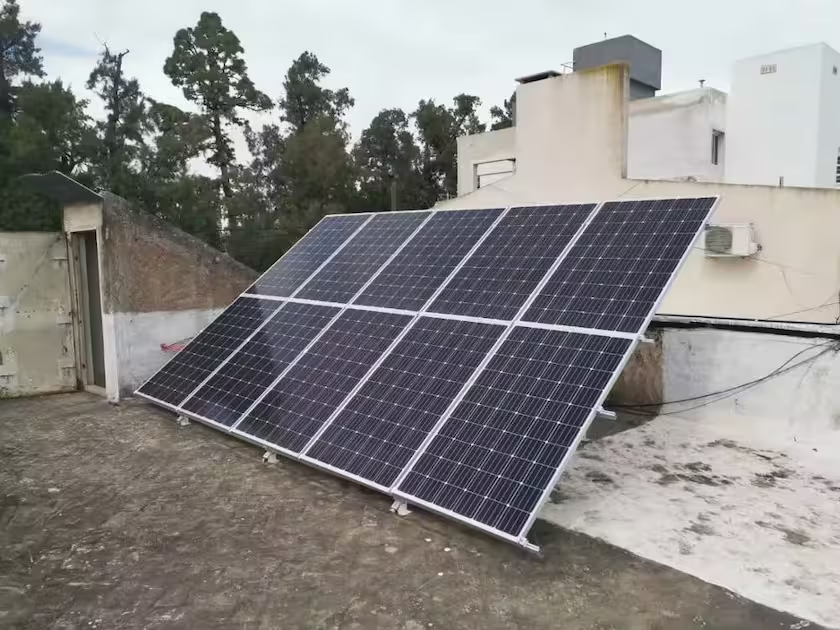
Home size often reflects overall electricity usage, especially in areas with high cooling demand. Larger homes usually need bigger solar systems to meet daily energy requirements.
Home Square Footage Compared to the Number of Solar Panels Needed
The number of solar panels needed often increases with home size and energy consumption.
- Small homes (under 150 m²) → 6–10 panels
- Medium homes (150–300 m²) → 10–20 panels
- Large homes (300+ m²) → 20+ panels
How Many Solar Panels Do You Need for Common Appliances?
Understanding appliance energy usage helps estimate how many solar panels to power a house more accurately. High-energy appliances, especially air conditioners, can significantly increase electricity demand.
Examples include:
- Air conditioner → 1.5–2 kW
- Refrigerator → 150–300W
- Washing machine → 500W
read more about: How Many Batteries Do I Need for My Solar System? Complete Homeowner Guide
Is It Cost-Effective to Install Solar Panels at Home?
Solar panels are generally considered a cost-effective long-term investment, especially in regions with strong sunlight like Saudi Arabia. Lower electricity bills and long-term savings make solar energy an attractive option for homeowners.
Benefits include:
- Lower electricity bills
- Long-term savings
- Increased property value
Advantages of Solar Energy
Solar energy provides both financial and environmental benefits for homeowners. Installing solar panels can improve energy independence while reducing reliance on traditional electricity sources.
Main advantages include:
- Renewable and sustainable energy
- Reduced carbon footprint
- Energy independence
- Low maintenance costs
Conclusion
Understanding how many solar panels to power a house is a crucial step in designing an efficient and cost-effective solar system. The number of panels required depends on your energy usage, location, panel efficiency, and available roof space. In Saudi Arabia, favorable sunlight conditions mean you can generate significant energy with fewer panels compared to other regions.
By carefully evaluating your electricity consumption and working with experienced professionals, you can design a system that meets your needs and maximizes your return on investment. Whether you are powering a small home or a large villa, solar energy offers a reliable and sustainable solution for reducing electricity costs and improving energy independence.
Contact Infinity Solar today to get a customized solar system design and find out exactly how many solar panels your home needs.
To learn more about Infinity Solar services
FAQ
Can I run my house on solar only?
Yes, but it typically requires a larger system and battery storage for nighttime use.
Is 10 kW enough to run a house?
Yes, a 10 kW system is sufficient for most large homes, depending on energy consumption.
 English
  Arabic