


Blog : Solar Energy System Guide
How Long Do Solar Panels Last? A Complete Guide to Solar Panel Lifespan

Table of Contents
Introduction
When homeowners research solar energy, the first question that comes to mind is: how long do solar panels last and is the investment truly worth it? Since solar systems are designed as long-term assets, understanding panel lifespan is essential for calculating savings and return on investment. In high-sun regions like Saudi Arabia, durability matters even more due to intense UV exposure, dust, and high temperatures.
Solar panels do not suddenly stop working after 25 years. Instead, they gradually lose efficiency over time through a process called degradation. The key concern is not just physical survival, but how long panels can produce electricity at a profitable and reliable level. In this guide, we will explain how long solar panels last, what affects their longevity, warranty protection, and what happens after 30 years.
How Long Do Solar Panels Last?
The short answer to how long do solar panels last is that most high-quality panels last between 25 and 30 years, and many continue generating electricity well beyond that. However, lifespan refers to performance longevity rather than complete failure.
Most modern panels maintain around 80–90% of their original output after 25 years. Even after 30 years, many systems still operate effectively, though at slightly reduced efficiency. Manufacturers typically provide 25-year performance warranties to guarantee minimum output levels over time.
To learn more about Infinity Solar services
How Quickly Do Solar Panels Degrade?
Solar panel degradation is the gradual decline in electricity production year after year. On average, high-quality solar panels degrade at a rate of 0.3% to 0.8% annually.
For example, a panel operating at 100% efficiency today may still operate at approximately 85–90% after 25 years. Lower-quality panels may degrade faster, which is why choosing reputable manufacturers is critical when evaluating how long solar panels last in real-world conditions.
 Solar Panel Warranties and Long-Term Protection
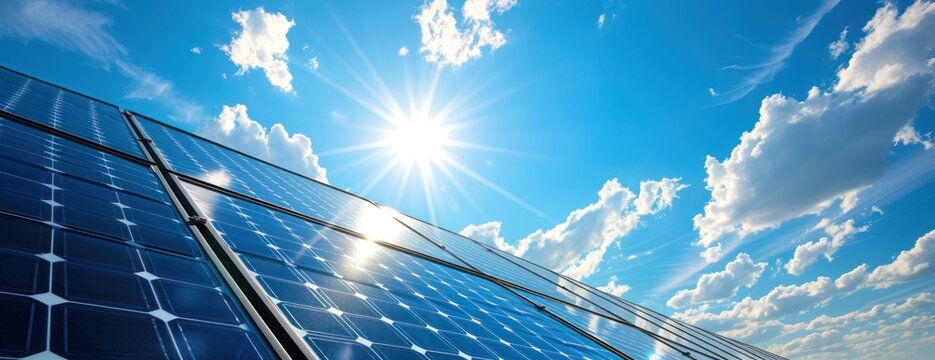 Solar Panel Warranties and Long-Term Protection
Warranties play a major role in determining how long solar panels last from a financial standpoint. Strong warranty terms indicate manufacturer confidence and protect your long-term investment.
There are two main types of warranties:
Product Warranty
This warranty covers manufacturing defects and typically lasts between 10–15 years, protecting against material or workmanship issues.
Performance Warranty
This warranty guarantees a minimum energy production level, usually for 25 years. Many manufacturers promise around 90% output after 10 years and 80–85% after 25 years.
A strong performance warranty is one of the clearest indicators of long-term durability.
Read more about: How Solar PV System Works?
Key Factors Affecting Solar Panel Longevity
Several real-world factors influence how long solar panels last beyond the manufacturer’s claims. Installation quality, climate conditions, and material standards all contribute to long-term performance.
Manufacturing Quality
Premium solar panels use high-grade silicon cells, reinforced tempered glass, anti-reflective coatings, and corrosion-resistant aluminum frames. Higher manufacturing standards typically result in slower degradation rates and longer operational life.
Installation Quality
Even the best panel can fail prematurely if installed incorrectly. Proper tilt angles, secure mounting systems, correct wiring, and adequate ventilation directly impact system lifespan and performance stability.
Weather Conditions
In Saudi Arabia, panels are exposed to high temperatures, dust buildup, sandstorms, and intense UV radiation. While modern panels are designed for harsh climates, extreme heat can increase degradation if temperature coefficients are poor.
Additional Factors That Influence Solar Panel Lifespan
Beyond core structural quality, operational conditions also affect long-term durability and help answer the question: how long do solar panels last in different environments?
Material Durability
The quality of encapsulation materials determines resistance to microcracks, moisture penetration, and corrosion. High-quality sealing prevents long-term internal damage.
Manufacturing Precision
Advanced production techniques reduce microcracks, internal resistance, and delamination, which improves longevity and efficiency retention.
Environmental Exposure
Coastal salt air, humidity, dust accumulation, and pollution can accelerate wear. Regular inspection helps mitigate these environmental risks.
Cleaning and Maintenance
Routine cleaning prevents performance loss caused by dust and debris. In dusty regions, cleaning every 3–6 months helps preserve efficiency and prevent hotspot formation.
The Average Lifespan of Different Types of Solar Panels
Not all solar panels last the same amount of time. The type of technology used plays a significant role in answering how long do solar panels last for residential systems.
How Long Do Monocrystalline Solar Panels Last?
Monocrystalline panels typically last 25–30+ years and have lower degradation rates. They offer higher efficiency and perform well in hot climates, making them ideal for Saudi Arabia.
How Long Do Polycrystalline Solar Panels Last?
Polycrystalline panels generally last 20–25 years. They are more affordable but may degrade slightly faster compared to monocrystalline options.
How Long Do Thin-Film Solar Panels Last?
Thin-film panels typically last between 10–20 years and have higher degradation rates. They are less common in residential rooftop installations.
Read more about: How Hybrid Solar System Works?
Do Solar Panels Make Your Roof Last Longer?
In many cases, solar panels can extend roof lifespan by shielding roofing materials from direct sunlight, UV radiation, and rain exposure. However, the roof condition should always be assessed before installation to ensure structural integrity.
Why Is PV End-of-Life Management Important?
As more systems approach 25–30 years of operation, end-of-life management becomes increasingly important. Solar panels contain glass, aluminum, silicon, and trace metals, which require responsible recycling to minimize environmental impact.
Can Solar Panels Be Recycled?
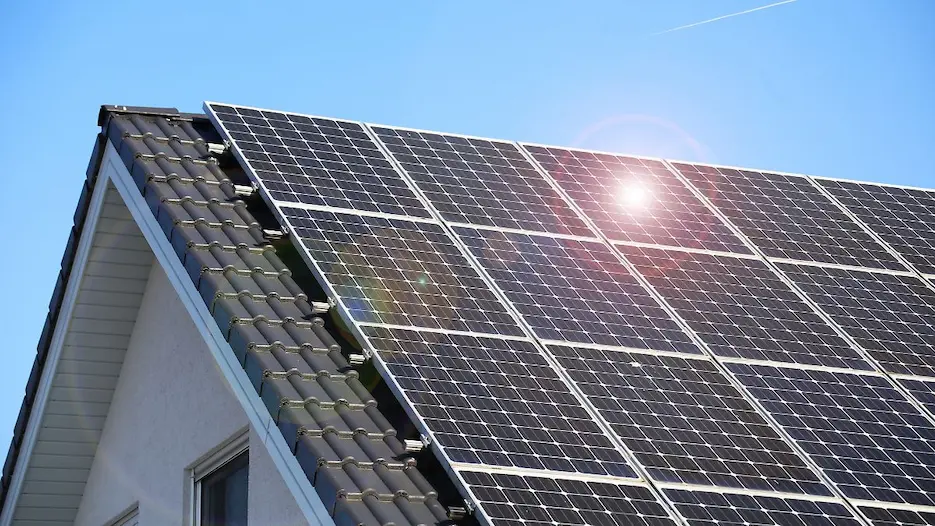 Can Solar Panels Be Recycled?
Yes, up to 90% of solar panel materials can be recycled, including glass and aluminum frames. Recycling technologies continue to improve globally, supporting sustainable solar energy adoption.
What Happens After 30 Years of Solar Panels?
After 30 years, most panels still operate at approximately 70–80% efficiency. Some homeowners choose to upgrade for higher performance, while others continue operating older systems safely beyond warranty periods.
Signs You May Need to Replace Aging Solar Panels
Although solar panels last decades, certain signs indicate replacement may be necessary.
Significant Drop in Energy Production
If output drops beyond expected degradation levels, professional inspection is required to identify panel, inverter, or wiring issues.
Visible Physical Damage
Cracks, burn marks, delamination, and water ingress can reduce efficiency and pose safety risks.
Outdated Technology
Newer panels offer higher efficiency and improved warranties, allowing greater output without increasing roof space.
How to Extend the Lifespan of Solar Panels
If you’re concerned about how long solar panels last, proactive maintenance can significantly extend their durability and protect long-term performance.
Regular Professional Inspections
Annual inspections ensure electrical connections, inverters, and system components function properly.
Cleaning
In dusty climates like Saudi Arabia, cleaning every 3–6 months helps maintain optimal output and prevent surface damage.
Performance Monitoring
Smart monitoring systems detect early performance drops, allowing quick corrective action before long-term damage occurs.
To learn more about Infinity Solar services
Conclusion
Understanding how long solar panels last helps homeowners make informed investment decisions. Most high-quality panels last 25–30 years, with gradual performance decline rather than sudden failure. With proper installation, premium materials, and regular maintenance, solar systems in Saudi Arabia can deliver reliable energy for decades.
Solar energy is a long-term commitment, but when installed professionally, it provides sustained savings and environmental benefits. Even after 30 years, many panels continue generating useful electricity, making solar one of the most durable energy investments available today.
 English
  Arabic